Nature
 PUBLISHED





What you'll discover in this article...
- Using ancient DNA recovered from bone fragments, researchers discovered a new species of extinct bovine in Denisova Cave, a site known for its remains of ancient humans.
- The animal, which may have interacted with the cave's human occupants, was similar to the Himalayan yak, but the species split off around 400,000 years ago.
- “Although we don't have direct evidence of [interactions], I think it's likely that ancient humans, including Denisovans and Neanderthals, may have hunted yak X,” study author Jonas Oppenheimer told IFLScience.
Once again, a scattering of bone chippings has revealed something new and unexpected in Siberia's Denisova Cave. While it isn't an extinct human lineage this time, the find reaffirms the site's importance and hints at the lives, and perhaps the diets, of its ancient hominin occupants.
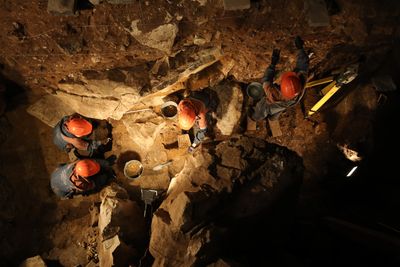
Located in the foothills of the Altai Mountains, Denisova Cave is home to over 250,000 bone fragments, including various different groups of prehistoric humans and a healthy collection of other mammals.
Sifting through and sorting this collection is a mammoth task, literally in some cases. Around 95 percent of the skeletal remains are so small and incomplete that they can’t be identified by their shape alone, so scientists must turn to DNA to pinpoint the species.

In the latest study, genetic analysis was applied to dozens of bones that once belonged to bovines, the subfamily of animals that includes cattle, bison, buffalo, yak, and other similarly beefy creatures.
The work revealed at least 20 genomes of a previously unknown species of bovine, which they named yak X.
What was yak X?
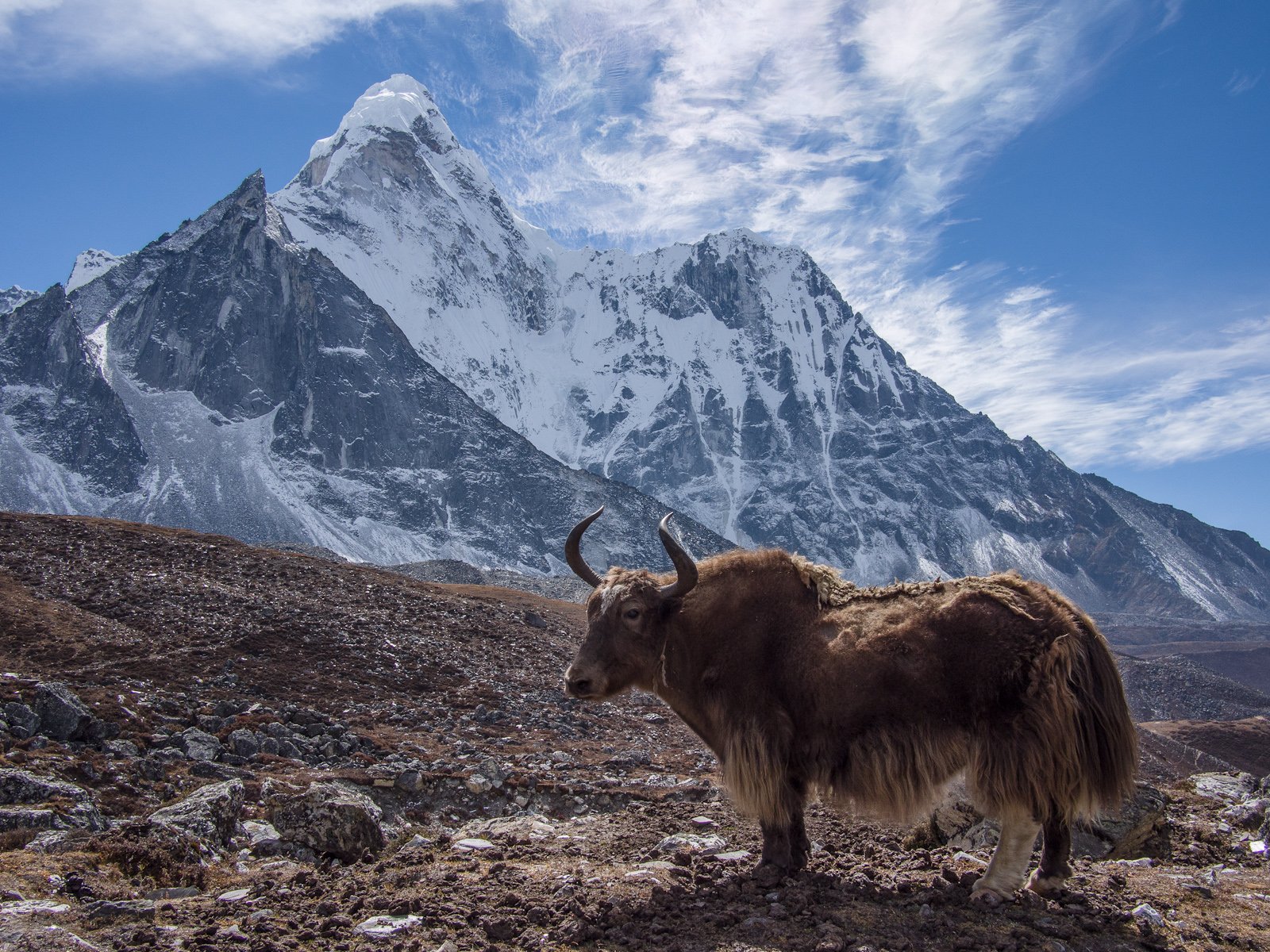
The extinct species was a relative of modern yaks, the shaggy bovines that currently lumber around the Himalayas and the Tibetan Plateau. However, it appears these two relatives followed separate evolutionary paths for hundreds of thousands of years.
Given it’s a sister species to the Himalayan yak... it’s reasonable to assume they looked similar. With that said, brown and polar bears diverged around the same time, and they certainly look very different
Love Dalén
Patterns of genes suggest yak X started diverging from modern-day yaks around 400,000 years ago and became fully separated around 250,000 years ago.
“Given it’s a sister species to the Himalayan yak, having shared a common ancestor only 400,000 years ago, it’s reasonable to assume they looked similar. With that said, brown and polar bears diverged around the same time, and they certainly look very different from each other,” Love Dalén at Stockholm University in Sweden told IFLScience.
“We are right now working on a follow-up study where we, among other things, are investigating which protein-coding genes made this bovine unique compared to Himalayan yaks,” he added.
The most recent yak X genome the team recovered dates to just 27,000 years ago, while the oldest is from up to 247,000 years ago. Since they appear in Denisova Cave time and time again during periods when ancient hominins are known to have frequented the site, it's a fairly safe bet that the two interacted.
How exactly is unclear, but it's possible that yak X was one of the many species on the menu for ancient humans.
“Although we don't have direct evidence of these interactions, I think it's likely that ancient humans, including Denisovans and Neanderthals, may have hunted yak X over this time period,” study author Jonas Oppenheimer at Stockholm University told IFLScience.
Denisova Cave just keeps on giving
The identification of yak X offers a fascinating parallel to the discovery of the Denisovans – the first extinct human group described primarily through DNA analysis rather than anatomical features – who were also identified from remains at Denisova Cave.
Unfortunately, only a small handful of Denisovan remains have been recovered from the cave, which is frustrating given how little is known about this group of extinct humans.
Nevertheless, the latest study underscores the importance of this region in the history of ancient humankind, and even yak-kind.
“It seems that the broader Altai region was likely a hotspot of biodiversity and potential refugium during the glacial cycles of the Pleistocene, which is hinted at by the incredible diversity present there," explained Oppenheimer.
"Some recent modeling work suggests that this region had an incredibly stable environment across the drastic Pleistocene climatic fluctuations, which seems likely to have played a major role,”
The new study is published in the journal Current Biology.