Nature
 PUBLISHED
 4
4




Just like with left and right, poison vs venom, and Ant and Dec, a lot of people get confused between the Arctic and Antarctica. But for that last one, there is a very simple way to remember which is which – and it has been hiding right there in the name all along.
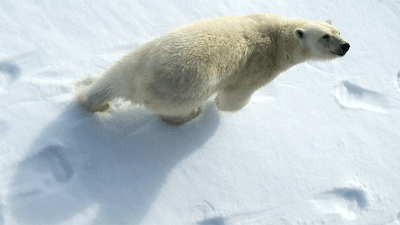
Some people remember it by the animals that live there. Polar bears live in the Arctic in the Northern Hemisphere, while penguins in the Antarctic in the Southern Hemisphere. As long as you can remember the distressing images of polar bears clinging to diminishing ice, this can help you remember that polar bears live in the Arctic, an ocean covered in ice and surrounded by land (there's no land mass at the North Pole); rather than the Antarctic, a continent, covered in a continental glacier.
There's an even easier way than that. The word Arctic is derived from "Arktos", the Greek word for "bear". You may have already put it together in your head and realized that the prefix "Anti-" means "opposite", pretty much defining a whole continent by its lack of bears.
Although this name could be referring to the actual bears that are in the Arctic, it's more likely that it's based on the constellation Ursa Major (the "great bear" in Latin), the largest constellation in the Northern sky.
Either way, if you look up and see a bear, polar or great, you'll know you're in the Arctic. If you find yourself having some profound disappointment about the lack of bears in your location, you're probably in the Antarctic, or about to have an encounter with a well-camouflaged bear in the Arctic.
All “explainer” articles are confirmed by fact checkers to be correct at time of publishing. Text, images, and links may be edited, removed, or added to at a later date to keep information current.