Nature
 PUBLISHED
 3
3


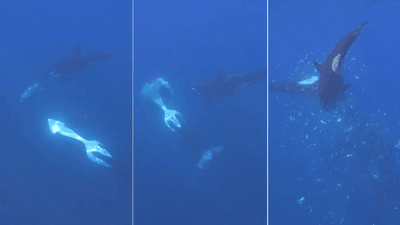


One of the world’s most intelligent animals just revealed it has another trick up its sleeve in video footage of a new-to-science behavior. In it, we see a female orca holding a sunfish. It then lets go just as an adult male slams into the sunfish at great speed, causing it to explode “into thousands of pieces”.
Holy mola.
Like fleshy confetti, the sunfish bits rain down on the marine environment. A behavior that begs the question: what the actual fuck?
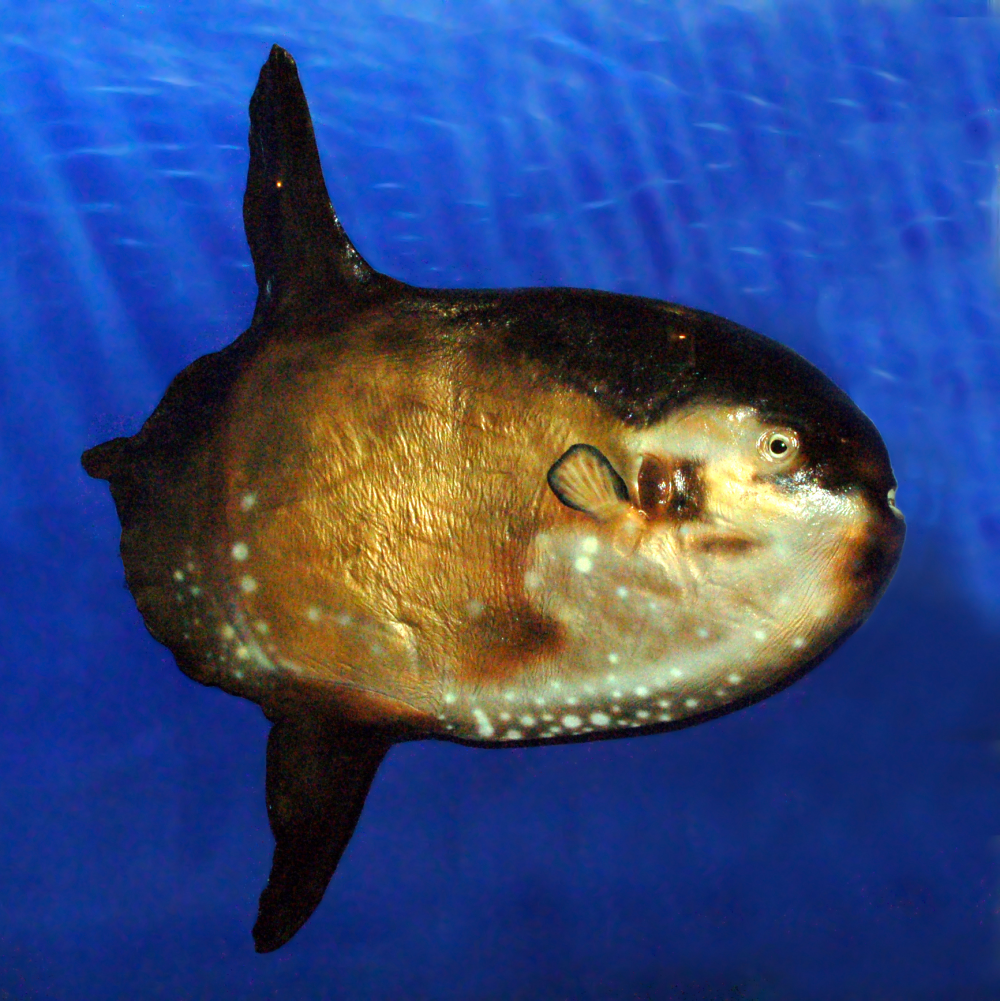
Deciding that “blowing a fish to smithereens” wasn’t scientific enough, the researchers have named the behavior “ram-to-fragment” and it has now been recorded twice. Both predation events took place in the Gulf of California and involved sharptail mola/sunfish (Masturus lanceolatus), but it’s not known if the orcas involved were the same individuals.
The authors state we’ll need more footage to establish just how widespread the behavior is, but one thing we know for certain? Orcas’ morbid creativity knows no bounds.
“Collecting good identification photographs whenever possible is key: we are still seeing new techniques of how orcas hunt and process their prey,” said first author Dr Kathryn Ayres, Research Scientist for Beneath The Waves, in a release emailed to IFLScience.
“They're one of the most iconic marine predators in the world, yet they continue to surprise us.”
The first recording was made in July 2024 when Ayres was observing a group of orcas including a juvenile. The pod had killed a sharptail mola, but they weren’t done with it yet.
Holding the sunfish by its large tail fin, Ayres reports how “one orca holds the sunfish and lets go just before another orca hits it at high speed, causing the tissue to break apart into thousands of pieces.”
A moment marked by a satisfying crunch and specks of sunfish floating everywhere. The juvenile of the group then hoovers up the little bits while the adults finish off the larger pieces.
A year later, in September 2025, a similar event was filmed by Héctor Franz. In both instances, the sunfish were already dead so it appears to be more of a food processing behavior than active hunting.
Sunfish represent some of the heaviest fish in the world despite starting out life as a ridiculous piece of popcorn for a larva. The ocean sunfish Mola mola and M. alexandrini top the scales in the region of 2,000 kilograms (4,409.2 pounds, which is about the same as a car), but the sharptail is still pretty beefy.
Could it be, then, that this ram-to-fragment behavior is a means of divvying up your quarry? Quite possibly, say the researchers. After all, in Ayres’ observation it did seem to be the juvenile that favored the most exploded pieces of mola.
We already know that adults will tear up prey to divide among the family group. So perhaps this seemingly brutal practice is just another demonstration of their remarkable intelligence, teamwork, and altruism.
Then again, there is another explanation.
“It could also just be for fun,” said Ayres. “Orcas are known for playing with their food.”
More research is needed to ascertain if this behavior is specific to a few individuals or a single variety of prey, but for this writer it’s a reminder to leave swimming with orcas to the experts.
To quote killer whale expert Professor Volker Deecke, “treat them like you would a grizzly bear” (even if attacks on humans are almost unheard of).
The study is published in the journal Frontiers in Ethology.