Nature
 PUBLISHED


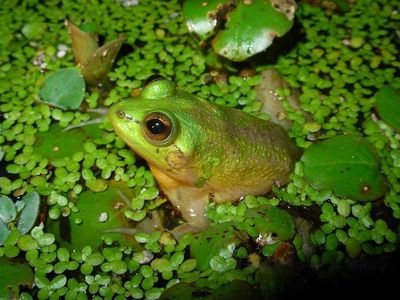


While the offspring of various animal species can look like mini versions of their parents, or even resemble something completely different before they start turning into the adult version, there’s one species that has got something else going on. Paradoxical frogs (Pseudis paradoxa) have tadpoles three to four times larger than the final adult form. So what happens to all that tadpole? Let’s find out.
First off, we'll start with the world record. The paradoxical frog holds the world record for the “greatest size difference between tadpole and adult frog of the same species”. The tadpoles can reach a maximum length of 16.8 centimeters (6.6 inches) and then undergo a metamorphosis into adulthood to reach a size that measures no more than 6.5 centimeters (2.5 inches). In fact, the tadpoles are often four times the size of the adults. The longest few have been seen in museum study or raised in lab conditions, measuring up to 23.8 centimeters long (11 inches).
The change is so incredible that the first scientists believed that the frogs were adult-sized first, before changing into tadpoles that became fish, not believing that such shrinkage the other way around was possible.

The genus Pseudis consists of 11 species, all of which live in Central and South America including the Caribbean islands of Trinidad. A study from 2009 looked at the growth rate of the tadpoles of this frog compared to other tropical frog species and found that while the growth rates were similar, the paradoxical frog tadpoles kept growing rather than starting to metamorphosize at the same time as the other tadpoles.
Their work suggested some factors that could be the drivers of this weird life history, such as the idea that the tadpoles mature faster into adults than other species. Alternatively, there's a suggestion that adults in the species spend more time out of water eating higher quality prey and restricting their growth rate, so the larval stage has to do all the growing instead. Others suggest that the hormone prolactin is to blame for the unusually large tadpoles, but more work is needed on this species to fully understand the paradox.