Nature
 PUBLISHED
 2
2


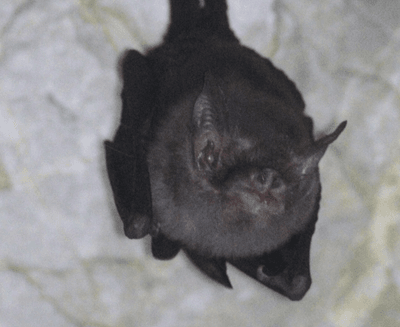


The bumblebee bat, also known as Kitti's hog-nosed bat, is the smallest known species of bat. Fragile in form and existence, there are serious fears that this teabag-sized treasure is in trouble, endangered with extinction and left with an uncertain future.
Measuring a minuscule 3 centimeters (1.2 inches) in length, bumblebee bats (Craseonycteris thonglongyai) are additionally the world's smallest mammal in terms of body size (although the Etruscan shrew is regarded as the smallest by body mass). Still, the bat only weighs in around 2 grams, about the weight of two paperclips.
Bumblebee bats are native to the limestone caves of the flood plains in western Thailand and southeast Myanmar in Southeast Asia. Armed with their distinctive pig-like noses, they leave their cavernous roosts at dawn and dusk, foraging the local area for flying insects using echolocation.
Although this part of the world is no stranger to bats – Asia is home to over 400 species – this one stands alone. It is the sole surviving species of the entire Craseonycteridae bat family, which split from the others around 33 million years ago.
Conservation of the bumblebee bat
There are reasons to be both pessimistic and optimistic about the species' existence.
First, the bad news: the Thai and Myanmar populations are small and isolated from one another. Genetic and echolocation studies suggest the two groups rarely mix, which limits the exchange of genes between them. When populations become fragmented like this, the risk of inbreeding rises, reducing genetic diversity and leaving the species more vulnerable to disease, environmental changes, or other threats.
Additionally, there’s the threat of human activity. A survey of their population in 2007 noted that some of their habitats are cloaked with smoke and dust from nearby factories within the bats’ foraging area.
Mongabay reports the bats’ caves are also frequented by “monks using the caves for meditation, drug users escaping to caves for a fix, and tourists driven by the desire to see the bats,” all of which are adding an extra strain to the survival.
Now, the slightly better news: the thumb-size bats used to be categorized as endangered on the IUCN Red List, although their status has since been upgraded to “near-threatened.” Researchers still believe their numbers are on a downward trajectory, but a better understanding of little-known habitats may challenge that.
The 2007 survey estimated there are 3,800 individuals left in the world. However, the researchers noted that their populations have predominantly been studied in Thailand. In Myanmar, they suspect, the population is healthier, although there haven’t been robust studies on their population in this region.
This one-of-a-kind bat species still has the potential to survive in the decades ahead, provided it's given the respect and space it needs.