Nature
 PUBLISHED


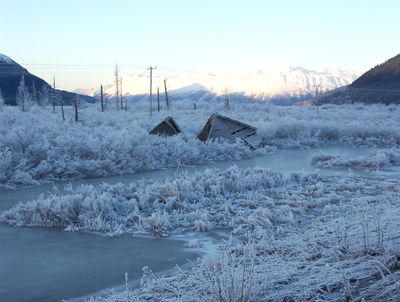


In the late afternoon of March 27, 1964, the coast of south-central Alaska was rocked by the most powerful seismic event in US history and the second-largest earthquake ever recorded. Amidst the death and destruction, the cataclysm left behind a scattering of "ghost forests", blighted wetlands of zombie-like trees that have yet to recover, even six decades later.
Earthquakes tend to last for less than 30 seconds, but the 1964 Alaska earthquake raised hell for over four and a half minutes, clocking in at an incredible magnitude 9.2. It was triggered by centuries of pressure suddenly releasing along a 970-kilometer (600-mile) fault between the Pacific and North American plates, causing parts of land to shift by 18 meters (60 feet).
Much of the region around the Prince William Sound was devastated. Solid ground transformed into a liquid-like state, fissures tore through the landscape, and entire towns were ravaged, resulting in an estimated $2.3 billion in property losses (adjusted to 2013 dollars). Of the 129 lives lost that day, the vast majority were not victims of the shake-up itself, but of the massive tsunamis that slammed into the coast just after the initial rupture.
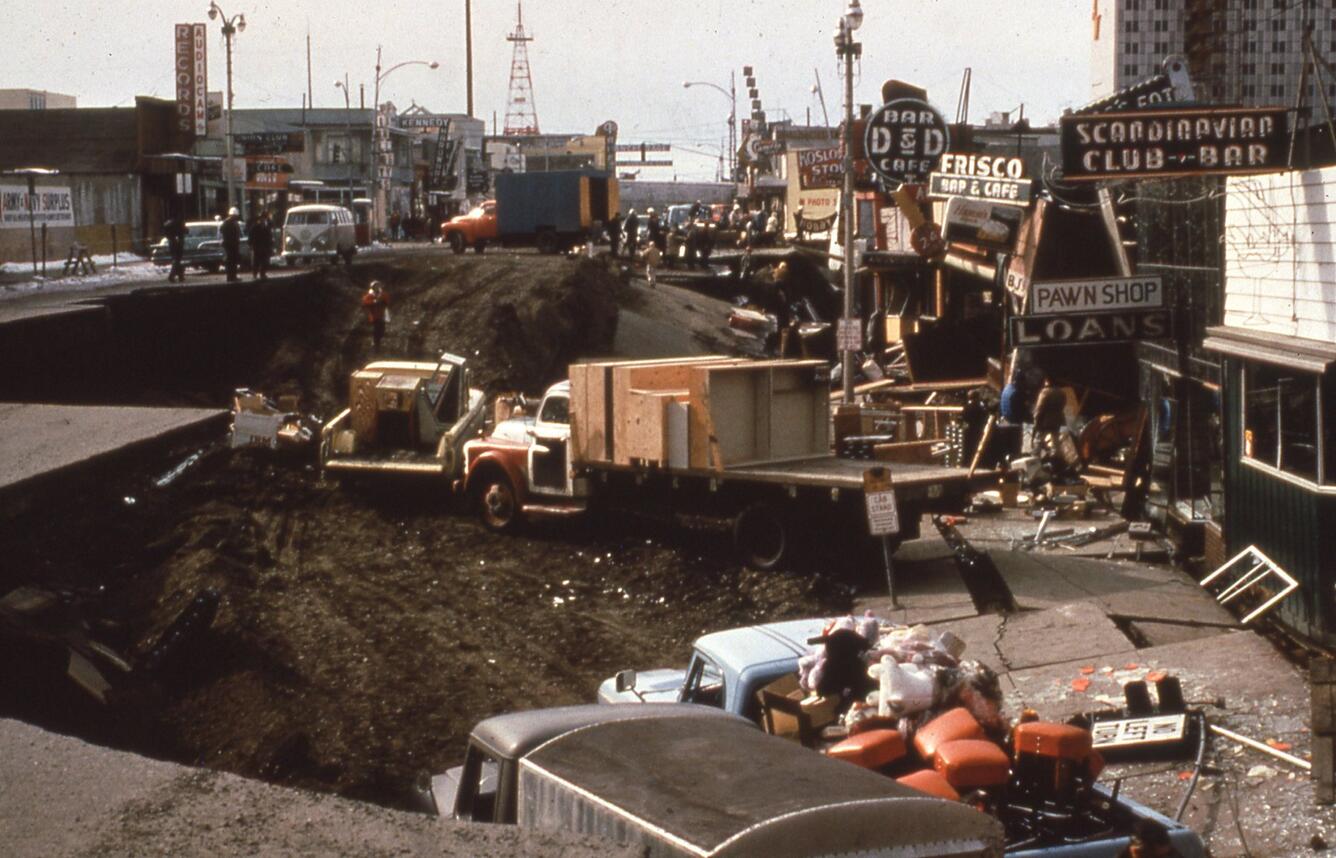
In his book The Great Quake, Henry Fountain describes the horror: “The land turned to liquid. A long slice of the seaward edge of the plain…a section nearly a mile long and as much as six hundred feet wide-compacted, slumped, and then slid into the bay… men tumbled into the water, grasping for anything – timbers, boxes, debris-to stay afloat. One clung to the side of the fissure before he too, fell in. In the water, some of the victims were caught in a whirlpool of water and debris….It was as if the earth were swallowing everyone.”
The natural world suffered equally grave losses. As the tsunami rushed in, waterside parts of the Girdwood Forest subsided and were inundated with floods of salty seawater.
Most of the trees died, leaving behind forests of dying timber. However, the oxygen-poor conditions of the silty soil halted the bacteria and fungi that typically drive decomposition. Consequently, the fibrous structures of the trees remained intact, preserved in a bleached, zombie-like state.
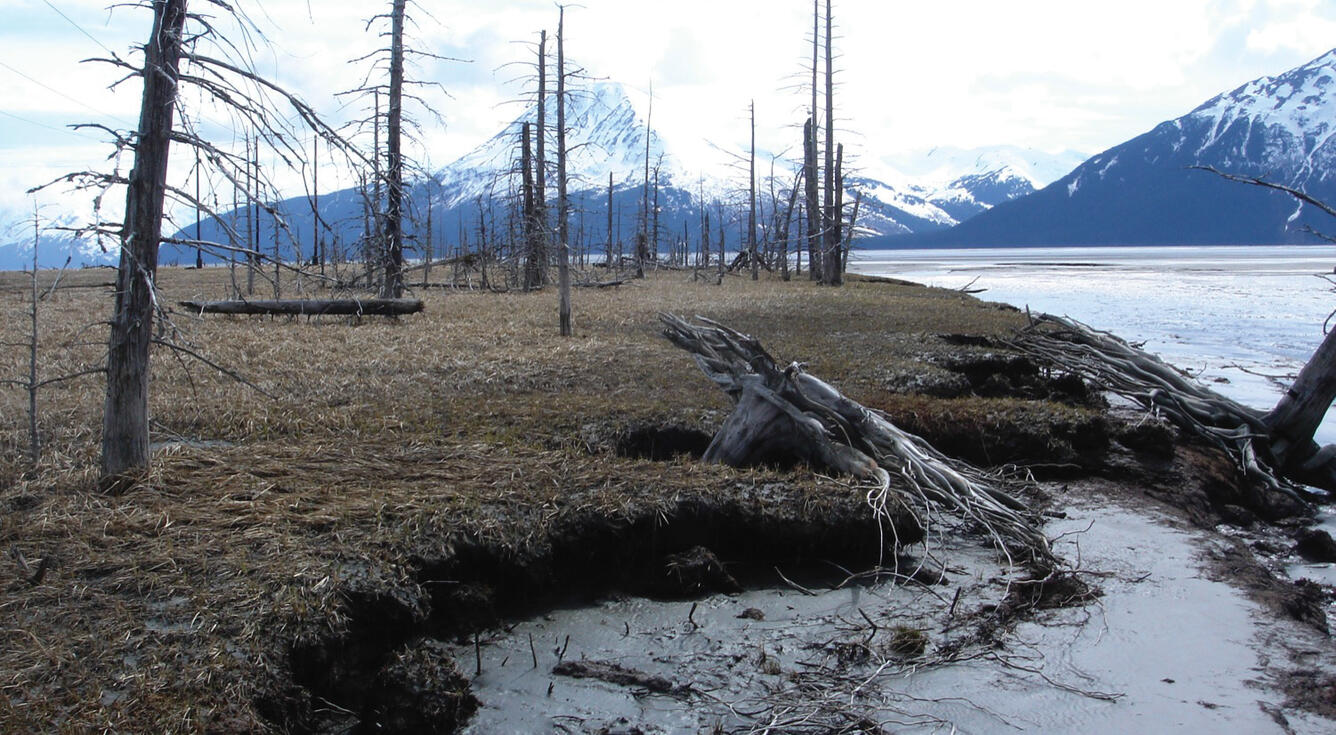
"In the peat layers, you can look at the fragile leaves and plant matter that are still in their growing positions, which shows that the subsidence happened fast,” Barrett Salisbury, Geologist at Alaska Division of Geological & Geophysical Surveys, said in 2024. “You can also look at tree rings, which show the tree died quickly. There aren't rings showing the tree wasted away over a long time."
Although researchers still frequent the area, the work remains dangerous. Authorities warn that visitors should exercise extreme caution when wandering these mudflats, as fast-moving tides can rapidly submerge the silt-ridden ground. In the past, people have been trapped in the mud and drowned.
It has been over 60 years since these ghost forests of Alaska's southern coast were born, but there is little sign they will recover in the near future. They may also serve as a grim harbinger of things to come. With climate change, rising sea levels, and more intense storms, scientists predict that more freshwater forests worldwide will be flooded in the years ahead, creating a new generation of ghost forests across the globe.