Nature
 PUBLISHED
 2
2


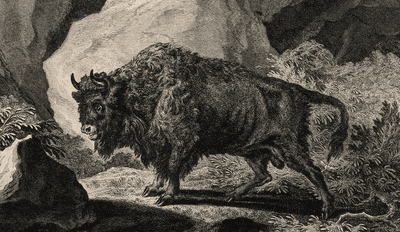


In 1627, the last known aurochs died in Poland's Jaktorów Forest. The dwindling species was plummeted into extinction, but nearly 400 years later, bullish scientists are hoping to bring them back.
Aurochs (Bos primigenius) were a super-beefy species of bovine that once stomped throughout Eurasia and parts of North Africa. Julius Caesar is said to have described the species like so: “They are a little below the elephant in size and… their strength and speed are extraordinary. They spare neither man nor wild beast which they have espied."
Known for their broad horns and hulking bodies, the aurochs are the wild ancestors of modern domestic cattle. Genetic analysis has suggested that all cattle in the world today are descended from as few as 80 female aurochs that were domesticated in the Near East around 10,500 years ago, just after the Agricultural Revolution.
Imagine herding some yaks or bison, two of the closest living relatives to domestic cattle, then interbreeding them until they became slightly scaled down and easier to manage. That’s a bit like what happened with the aurochs and the cow.
The species first appeared in the fossil record around 700,000 years ago, then splintered off into several different lineages native to different parts of the world. However, around the late Middle Ages, their population numbers started to wane. Overhunting and loss of habitat are the prime suspects, but it’s also been suggested they fell victim to infectious diseases from their domesticated cow cousins.
By the 17th century, just one small Polish population was left. It’s known that the last aurochs died in 1627 CE because the Polish Crown actively managed the Jaktorów Forest and the herds that lived there.
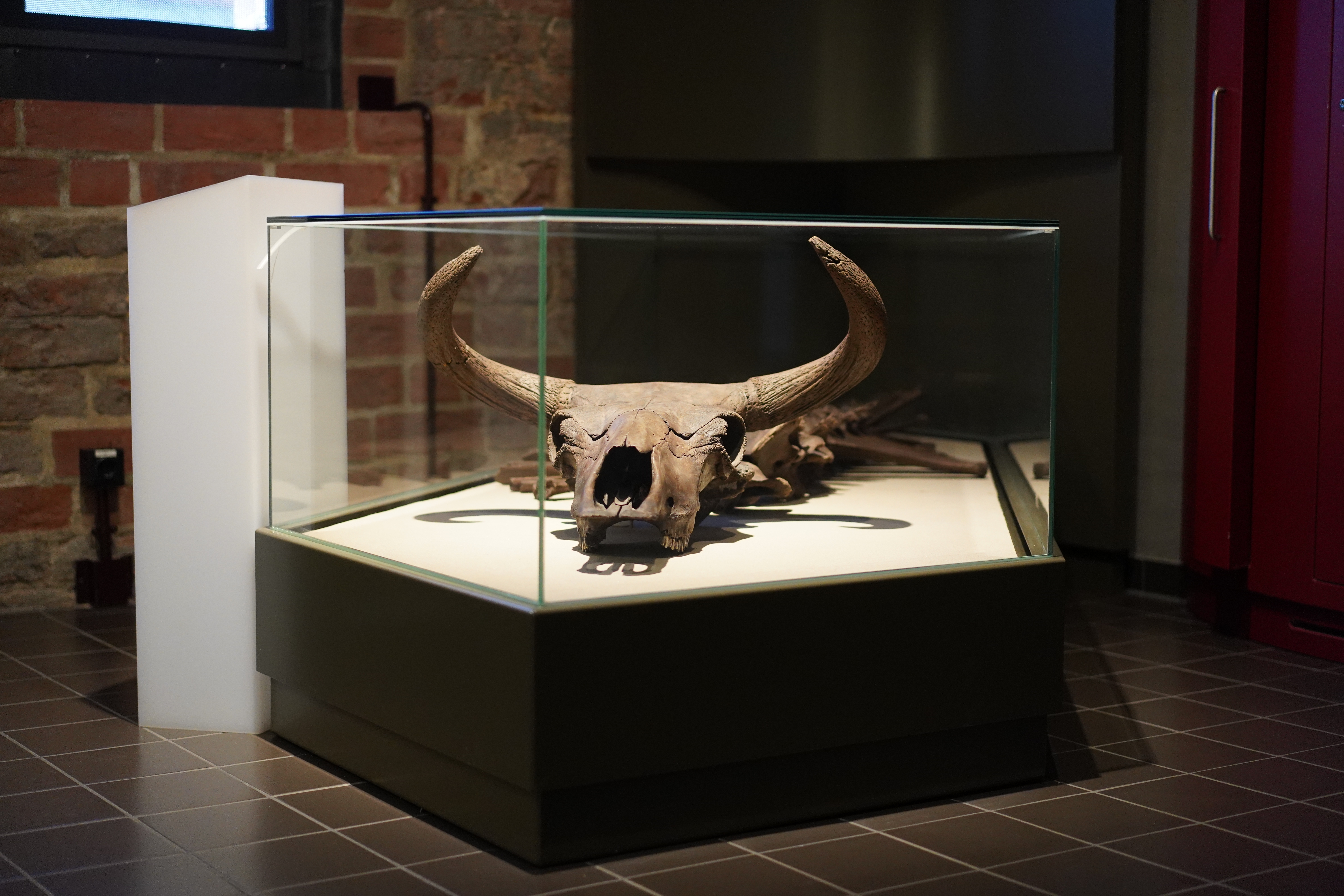
In the centuries before their extinction, the last aurochs of Central Europe were owned by Polish nobility, but later they became royal possessions. Under Zygmunt I and Zygmunt August, royal commitment to aurochs conservation waned significantly compared to earlier rulers. The political turbulence that followed 1572 weakened the Crown's influence further, and by 1604, only a small number of animals remained.
A Royal decree was issued demanding urgent protective measures, but it was too little too late. In a 1630 report, the Crown stated the last aurochs was a female that died three years previously from natural causes.
It's possible that another wild population that had not been tracked by royal minions held on somewhere else for longer, but there is no record of it. As far as records can tell, the aurochs was gone.
However, it would be wrong to say they've been entirely wiped from existence. Their DNA lives on in domestic cattle, giving scientists a genetic shortcut that more ambitious de-extinction projects simply don't have.
By selectively breeding ancient cattle breeds that are closest to the original aurochs, researchers have produced a specialized breed known as the tauros. Several hundred of these aurochs-like beasts have already been introduced to different parts of Europe, including Scotland, the Netherlands, Czechia, Croatia, Spain, and Portugal.
In an age where scientists are seriously discussing the de-extinction of woolly mammoths and dodos, perhaps this charismatic cattle is one of the more achievable comebacks.