Nature
 PUBLISHED



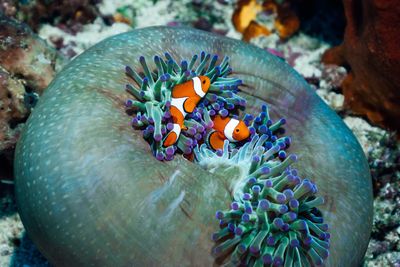


Microbes are much more than a minuscule nuisance that occasionally makes you sick. As tiny and apparently simple as they might seem, their existence is deeply intertwined with intricate lifeforms and complex ecosystems, including – so it appears – the world's greatest coral reef system.
In a new study, scientists in Australia sampled seawater from 48 points around the Great Barrier Reef and pinpointed over 800,000 microbial genomes, including more than 300,000 distinct types of virus and over 500 new bacterial species.
The immensity of this microbial life shows that coral reefs, much like the human body, host a vast array of bacteria, viruses, and other microorganisms that are fundamental to their being.
“These microbes are important. Microalgae produce most of the oxygen we breathe and underpin food chains in the open oceans,” Dr Yun Kit Yeoh, a senior author on the paper and a senior research scientist at the Australian Institute of Marine Science, said in a statement.
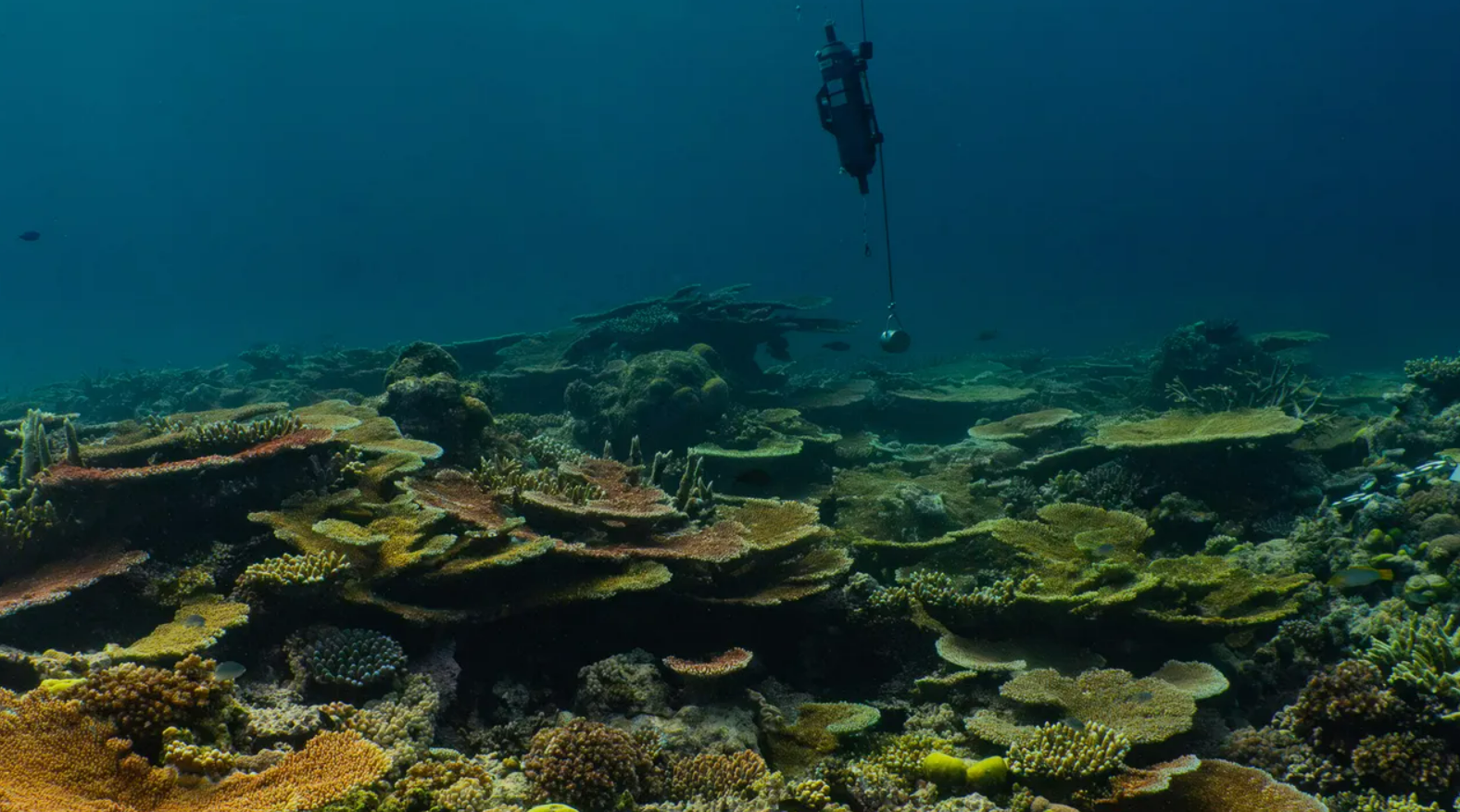
“They are eaten by krill and other zooplankton which are then consumed by other animals from the smallest coral polyps to the largest whales. But, until now, we couldn’t see these communities,” he added.
The discovery was made possible by breakthroughs that allow researchers to identify and sequence a huge array of microbes directly from environmental samples.
Dr Steven Robbins, team lead at the University of Queensland and first author on the paper, explains: “The ocean likes to mix everything up. A single drop of water can contain thousands of different, but often very closely related microbes – they’re really complex communities.”
“And many ocean microbes are adapted to low-nutrient conditions typical of ocean ecosystems, which leads to them having low levels of G and C, two of the four bases that form the double helix of DNA. It’s the combination of that low-GC and the complexity of the communities that has hindered this kind of research.”
“In this study,” Robbins added, “we used new ‘long-read’ sequencing technologies that bypass these issues and make it much easier to assemble the jigsaw puzzle of each microbial genome. What was a puzzle with tens of thousands of pieces becomes a simple puzzle with far fewer pieces for the average microbial genome.”
The new reef research is a comparable advance to the one scientists achieved in 2012, when a wave of studies documented the human microbiome.
This is made up of trillions upon trillions of microbes that live within our guts, skin, mouth, and pretty much every cranny of the human body.
That milestone helped lead to major advances in our understanding of human biology. Over the past decade or so, it's become overwhelmingly evident that our microbial companions shape many different facets of human health, from digestive health and immune function to mental health and metabolism; you name it, there's probably a microbe linked to it.
Perhaps, the researchers say, this new discovery could drive something similar for the struggling Great Barrier Reef and help it withstand the many pressures it’s currently being bombarded by.
“Now, we can start to explore what makes a healthy reef microbiome, and how these invisible communities respond to changes on the Great Barrier Reef such as bleaching, storms, sediment, fishing and other stresses,” noted Professor Philip Hugenholtz, a microbiologist at the University of Queensland and a senior author on the paper.
It also raises the tantalizing possibility that these microbes could be harnessed by humans for medicine, biotech, or a myriad of other applications.
Microorganisms have already given us everything from antibiotics and gene therapies to the enzymes behind PCR testing, and there's no telling what this reef's hidden residents might offer up next.
The new study is published in the journal Nature.