Nature
 PUBLISHED


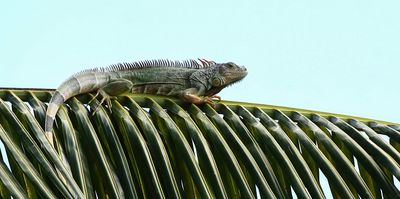


As cold temperatures sweep their way across the US causing all kinds of problems, in Florida there is a slightly unusual consequence of colder weather. The iguanas are falling from the trees.
Temperatures across the US have dropped, with days of freezing temperatures linked to at least 16 deaths in New York, and further deaths reported in Louisiana, Texas, Tennessee, and Kansas. Cold weather has even reached one of the nation's warmer states, as temperatures in parts of Florida linger around 4°C (40°F).
As cold-blooded reptiles, the iguanas enter a state of torpor when temperatures fall. This causes the animals to temporarily lose muscle control and they can appear frozen. This can then mean that they can’t hold onto tree branches, and instead fall out of the trees. It generally starts to happen as the temperature drops below 4°C (40°F).
“The temperature threshold for when iguanas begin to go into a dormant state depends greatly on the size of the iguana,” said Ron Magill, communications director for Zoo Miami told CNN Weather.
Green iguanas are an invasive species in Florida, so this cold snap has provided the Florida Fish and Wildlife Conservation Commission (FWC) the perfect opportunity to reduce numbers. On January 30, an executive order was issued allowing people to temporarily remove “live, cold-stunned green iguanas from the wild without a permit” and take them to five FWC offices to be humanely killed or transferred for live animal sales.
Its important to remember that these falling iguanas are not dead – they're just a bit chilly and can still do some damage to you as they begin to warm up, thanks to their teeth, claws, and whip-like tails. These are fairly sizable creatures and the males can grow to 1.5 meters (5 feet), and weigh around 7 kilograms (17 pounds).
Year-round, the invasive species is only protected in Florida by anti-cruelty laws, and can be humanely killed on private property. The FWC website lists ways to deter iguanas from your property. such as by filling holes that could be used as burrows and hanging wind chimes to make noises.