Nature
 PUBLISHED


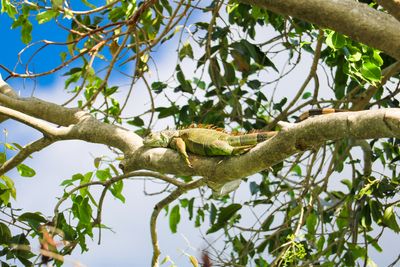


If you thought aliens in a Miami strip mall would take the title for “weirdest thing to happen in Florida” this month, you might have to think again – it is Florida, after all. Thankfully extraterrestrial life isn’t falling from the sky and into GameStop for a quick browse, but with chilly temperatures hitting the Sunshine State, something else might be raining down upon unsuspecting Floridians: frozen iguanas falling from trees.
The US has been experiencing severe winter storms and bitterly cold temperatures; though normally fairly balmy, Florida hasn’t been spared. Matt Devitt, chief meteorologist for WINK News in southwest Florida posted to X last Thursday that southwest Florida could experience lows of around 4°C (40°F) and wind chills around -1°C (30°F), while other regions of the state could dip as low as the 20s at the weekend.
That’s not much fun if you were planning a day at the beach, but arguably, it’s probably worse for the local iguana population. A very meme-worthy graphic posted alongside the forecast indicates that bringing a hard hat alongside an extra layer or two might be useful, as there’s a chance iguanas could be falling out of trees.
Why are iguanas falling out of trees in Florida?
Iguanas are cold-blooded reptiles; while temperatures are fine for them in Florida for most of the year, the problem comes with the arrival of fall. When temperatures drop below around 7°C (45°F), these lovable lizards are no longer able to regulate their body temperature. As a result, they enter a state called torpor, where their breathing and metabolism slow down.
Iguanas also lose muscle control when this happens, and since they often sleep in trees, this also means that they can fall out of them. Whilst they might look dead when they’ve hit the ground, they normally aren’t – and it’s best to take caution if you’re tempted to check.
Although it sounds like the inspiration of a new film brought to you by the creators of Sharknado, iguana fall is a stark reminder of reality. These lizards don’t belong in Florida – they’re an invasive species. That plays into the advice given by local authorities as to what you should do if you come across (or are bumped on the head by) a frozen iguana.
Homeowners in Florida are permitted to humanely kill any iguanas that are found on their land, or they can simply be left to succumb to the elements. Where that’s not possible, they can be put in a secure bag or cat carrier and taken to a local wildlife center or veterinarian.
Some people have even taken to eating iguanas to solve the problem of the invasive species, but if you do plan on swiping any frozen lizards for your dinner, make sure your car isn’t warmed up first.