Space and Physics
 PUBLISHED
 2
2






Forget the spacious interior of Starship Enterprise, the multi-deck structure of the Rocinante, or even the more cozy corridors of the Millennium Falcon. Humans’ return to the Moon is a compact affair. The Orion capsule is small and functional, and hopefully, next week, it will take four astronauts back beyond the Moon for the first time in over 50 years.
Just how small is Orion? NASA’s specification places the habitable volume at 330 cubic feet, or just about 9 cubic meters. Some sources place the actual volume a bit higher or a bit smaller, and we couldn’t confirm the exact value for the Artemis II mission. Still, give or take half a cubic meter, we are looking at something roughly the volume of a moving van.
Now, if you think of a 3-by-3-by-3-meter (7-by-7-by-7-foot) room, it might not feel too bad. Then you need to consider that it is your bedroom, kitchen, dining room, bathroom, and workplace. And you are sharing it with three other people. So, yes, it is small.
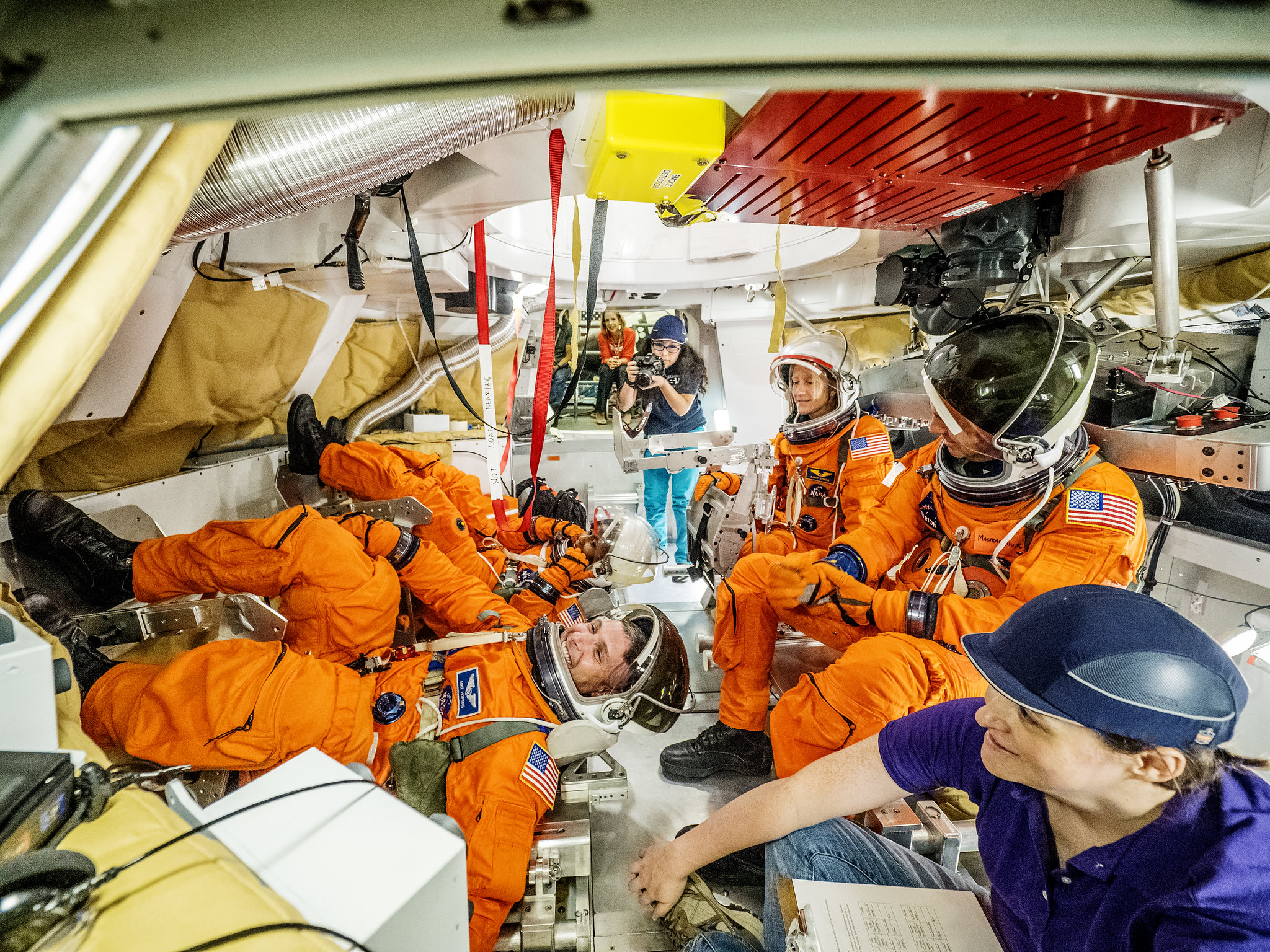
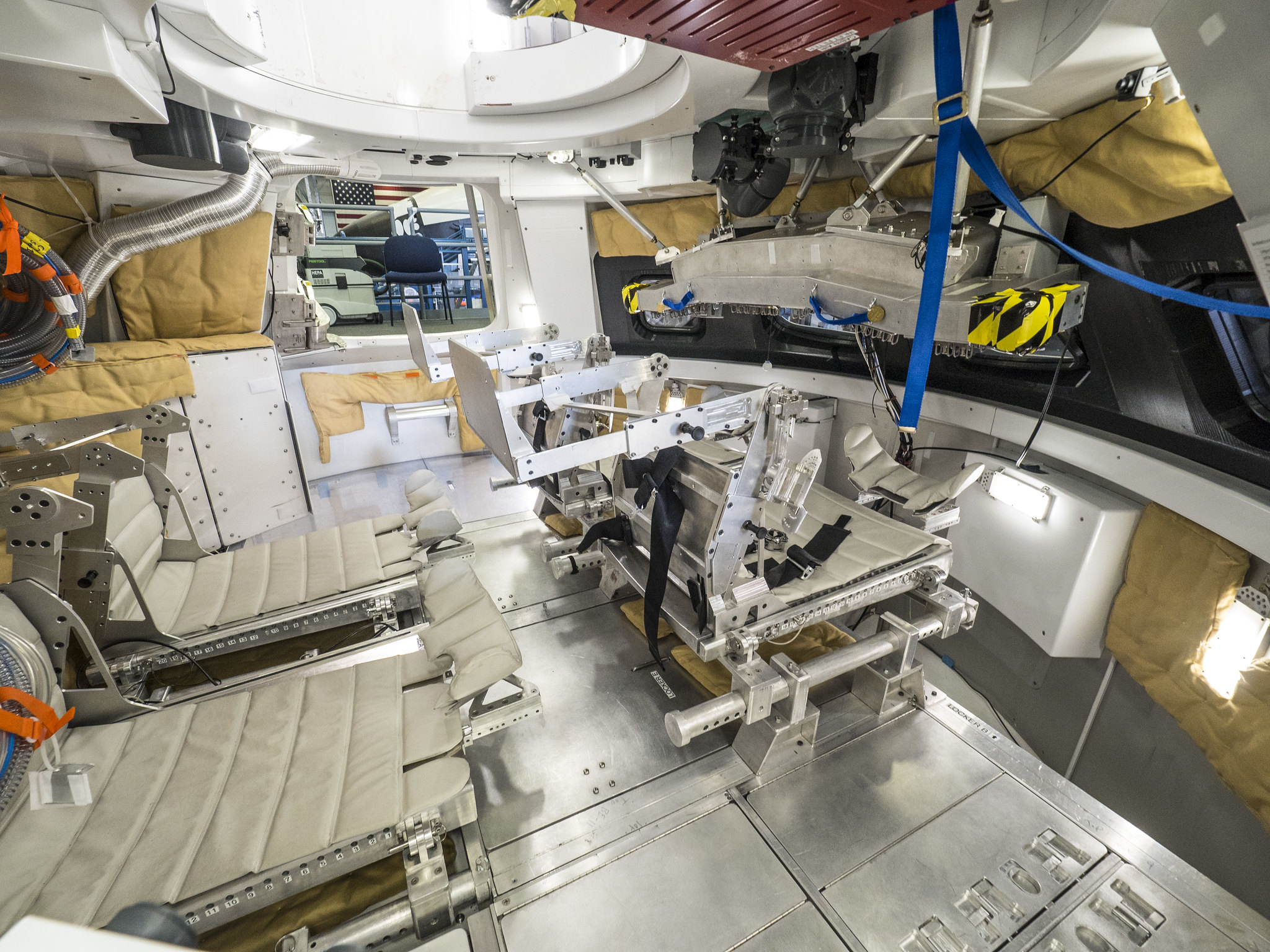
At the same time, the team that has worked on its design describes how it also seems a lot bigger than it actually is. The different elements of the spacecraft can be reconfigured when the team gets to orbit. This will allow the team to maximize the interior volume, storing seats and suits, leaving a large central volume.
NASA astronauts Reid Wiseman, Victor Glover, and Christina Koch, along with Canadian Space Agency astronaut Jeremy Hansen, will spend 10 days in orbit. They will conduct scientific investigations and even observations of the Moon. They will see areas of the Moon that no human has seen directly before.
The four astronauts on Artemis II will boldly go where no one has gone before in more ways than one, because one of the very exciting additions to Orion is also a toilet, or technically, the Waste Management System. The Apollo astronauts did not have that, which led to the infamous case of floating mystery turds that interrupted the Apollo 10 mission... twice!
“The Orion Waste Management System (WMS) features a full commode suitable for short to mid-length duration missions, offering both privacy and comfortable means for the astronauts to use the bathroom. It employs a small urine tank that is vented to space and replaceable canisters for solid waste storage,” a technical paper on Orion states.
The launch window for Artemis II opens on February 6, but weather will dictate if it actually takes to the sky that day. The following days remain possible launch windows too, but it could also shift to March or April. We will know closer to the time when exactly they will go around the Moon.