Nature
 PUBLISHED
 25
25


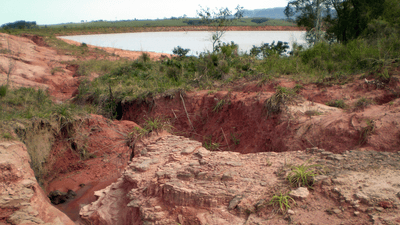


One of the oldest dinosaurs ever discovered may have just been delivered by torrential downpours in the southern state of Rio Grande do Sul, Brazil. Palaeontologists made the discovery after heavy rain sped up the process of erosion next to a reservoir dating back to the Triassic, meaning it’s estimated to be around 233 million years old.
If the dating is accurate, this puts the animal right at the very beginning of dinosaurs. The prehistoric animals are thought to have first emerged during the Triassic at a time when all the continents were connected in one giant landmass called Pangea.
The fossil find is awaiting further investigation and publication, but a fact sheet about the discovery was shared with The Associated Press. What’s being reported so far is that it was an apex predator from the Herrerasauridae, a family of carnivorous dinosaurs that walked on two legs, and may represent the most complete of its kind ever found.
When heavy rains disrupted the environment, a team of palaeontologists including Rodrigo Temp Müller from the Federal University of Santa Maria discovered several bones. As they dug a bit further, they realized that most of the skeleton was present, revealing an ancient animal that was around 2.5 meters (8.2 feet) long.
While being gifted such a monumental fossil find by rain could be seen as a stroke of good luck, the reality is that extreme weather can be damaging to palaeontological discoveries. Elsewhere, the team found a pelvis and leg bone being destroyed by the severe rains, making reading an already scant fossil record all the more difficult.
Such an ancient find marks an exciting opportunity to learn more about the earliest days of the dinosaurs. Whether the animal is a new-to-science species or a member of an existing one remains to be seen, but the team are “very excited and surprised” by what they’ve discovered so far.