


 Nature
 PUBLISHED


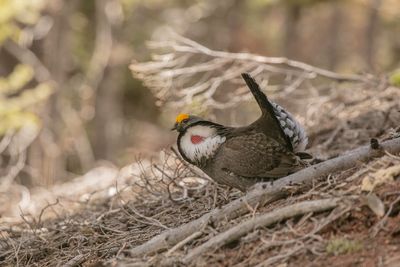


When migrations come up, it’s usually in reference to record-breaking individuals crossing thousands of kilometers in search of food or friends. These intrepid individuals swim, fly, or walk across countries and between oceans in search of something. However, sometimes migrations also happen on the micro scale – not the big epic journeys of the whales and swifts, but a shorter hop, a Sunday stroll of a migration, a mere 300 meters (984 feet) of effort.
Yes, you read that correctly, folks: the shortest bird migration is only 300 meters. Meet the dusky grouse (Dendragapus obscurus), a large squat species that calls the mountain forest home.
The grouse enjoys a habitat of ponderosa, lodgepole, pine, aspen, and fir trees. The species has high sexual dimorphism, with the males looking steely gray with red eye combs and purple air sacs. Until 2004, they were thought to be a sub-species of the larger sooty grouse, but DNA analysis revealed they are a distinct species.
According to Guinness World Records, the dusky grouse (formerly known as blue grouse) holds the world record for the shortest bird migration at 300 meters from the top of the pine forests in the winter, to the bottom of the mountain: “in springtime it descends a mere 300 m to deciduous woodlands in order to feed upon the early crop of seeds and fresh leaves.”
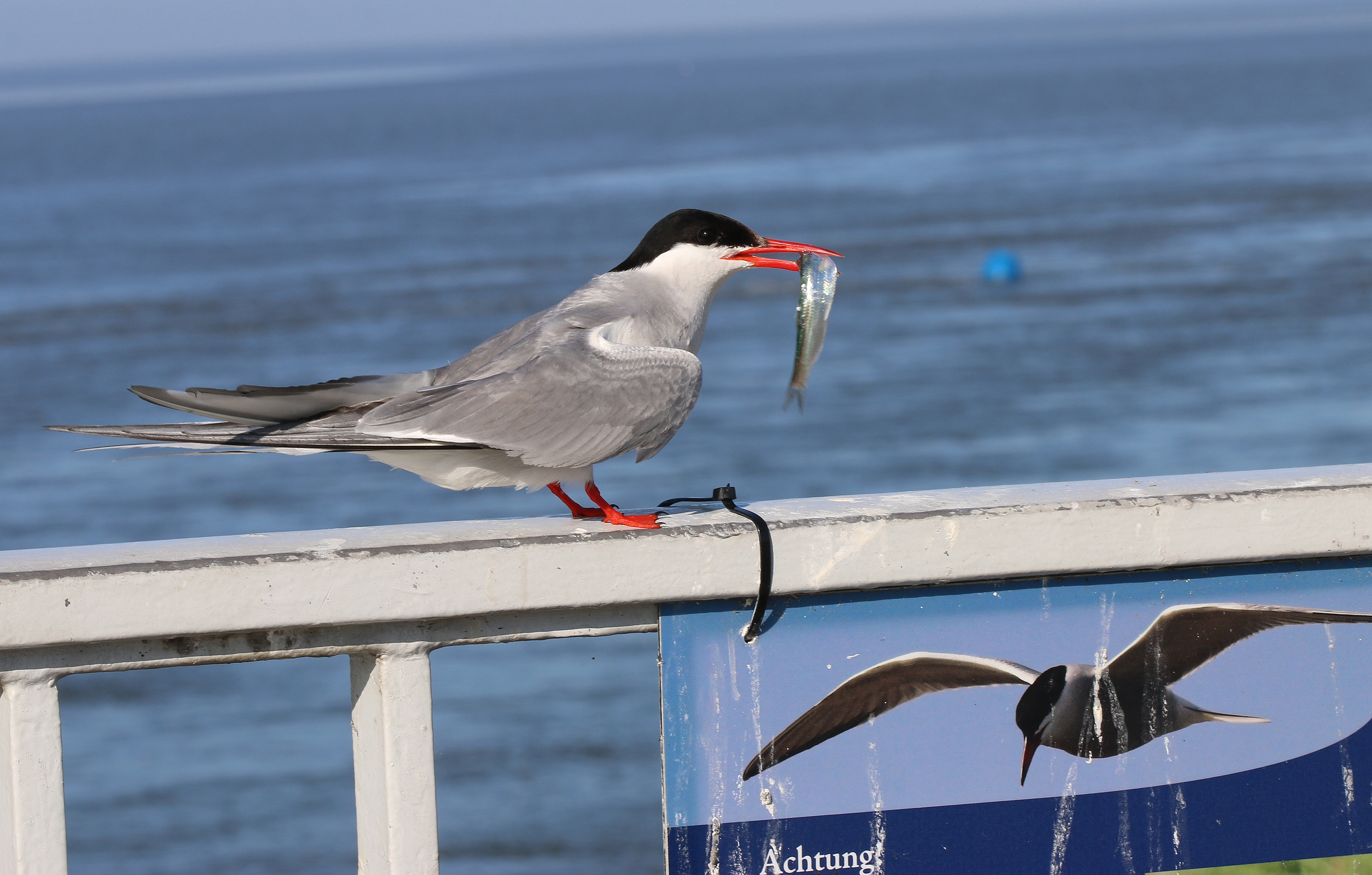
If these grouse make the shortest bird migration then the longest bird migration is held by two other species. Firstly the Arctic tern (Sterna paradisaea) migrates the greatest distance of any bird species, breeding in the Arctic circle before flying to the Antarctic and back again, a return journey of 80,467 kilometers (50,000 miles).
However, such a journey couldn’t be done without stopping for food and rest.
Enter the bar-tailed godwit, which holds the world record for “the longest migration by a bird without stopping for food or rest.” This was recorded by a satellite-tagged juvenile bird that flew from Alaska to Tasmania without stopping on a 13,560-kilometer (8,425-mile) journey. This trip took 11 days and one hour.
As well as migrations up and down mountains or across great sections of the world there are also tiny creatures in the ocean that perform migrations every day.
Copepods are tiny organisms that are only 1-2 millimeters long. However they hold their own world record for being the tiniest migrants, traveling from the deep ocean to the surface every night to feed – and because there are so many of them, this is also considered the most massive migration.



 1
1