Nature
 PUBLISHED


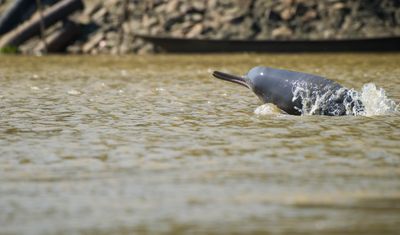


Even one of the world’s rarest freshwater dolphins is not safe from the scourge of plastic pollution. For the first time, researchers have discovered microplastics inside the stomachs of endangered Indus River dolphins.
The Indus River dolphin (Platanista minor) is a freshwater species found mainly in Pakistan with a small population in India. Wonderfully adapted to the river’s muddy and murky waters, these long-snouted dolphins have largely lost the use of their eyes and are considered to be functionally blind.
Once common in the region’s river system, they’re now listed as “endangered” under the IUCN Red List of Threatened Species. Their biggest threats have long been dams that choke the rivers and cut populations into isolated groups, but pollution has emerged as another, and perhaps equally insidious, danger.
The Indus is among the most polluted rivers in the world, draining wastewater and chemicals from countless factories, farms, and human settlements along its banks. In recent years, it has also ranked second in a list of 10 rivers responsible for nearly 90 percent of the plastic that ultimately flows into the ocean.
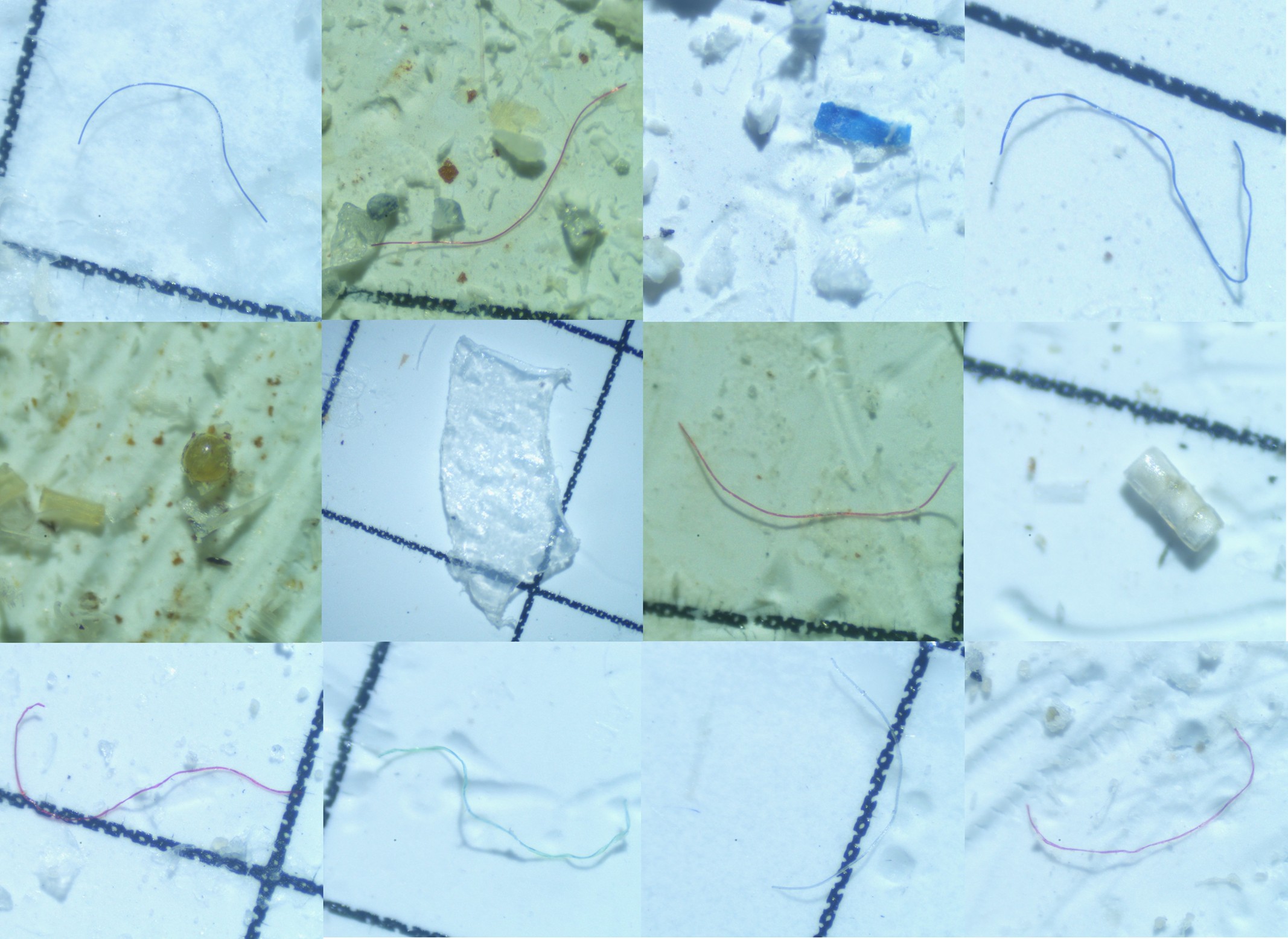
In a new study, an international team of scientists performed necropsies on five Indus River dolphins that became stranded between 2019 and 2022. In every single individual, they detected hundreds of microplastic particles and fibers in the gastrointestinal tract.
The quantity of microplastics was especially alarming, the study notes. Microplastics were found in all four gut chambers of each dolphin, with the number of pieces ranging from 184 to 429 (an average of 286).
While microplastics have been found in the bodies of many marine mammals before, the concentrations reported in this study rank the highest ever recorded across cetacean species.
The most abundant form of plastic was polyethylene terephthalate (PET), followed by polyphenylene sulfide (PPS), polyester (PES), polyvinyl chloride (PVC), polyurethane (PU), and polyethylene (PE). These plastics largely originate from textiles, packaging, wastewater, fishing gear, and agricultural runoff.
The researchers also noted that similar microplastics were detected in the fish they ate, suggesting the pollutants are working their way up the food chain through the food they consume. This raises questions about the broader health of the river ecosystem, as well as human communities that rely on its fish.
While the exact health impacts on the rare dolphins are not yet clear, microplastics are known to cause digestive issues, oxidative stress, immune suppression, and reproductive harm in other animals. For a species already battling shrinking habitat and dwindling numbers, the added burden is the last thing they need.
The new study is published in the journal PLOS One.