Nature
 PUBLISHED
 9
9





Deep beneath Earth’s surface, life is thriving in ways we are only beginning to understand. Most of it is merely microbial, yet the genetic diversity of these subterranean organisms may rival, or even exceed, that of life above ground.
Some of the weirdest ecosystems may exist in tandem with ancient water trapped kilometers underground in fractures of Precambrian shield rocks. This geology dates to the earliest part of Earth's history, long before the continents morphed and shifted into their present-day positions.
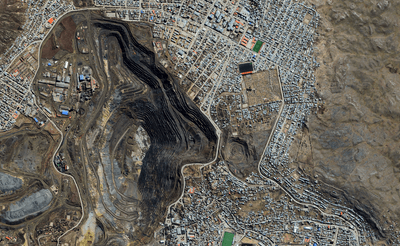
In a 2014 study, scientists found 19 mines across Canada, South Africa, and Finland that were home to hydrogen-rich water that had been locked within Precambrian continental lithosphere. One of these sites, nearly 3 kilometers (1.8 miles) deep in a mine near the Canadian city of Timmins, contained the oldest liquid water ever discovered, isolated for 1.5 to 2.64 billion years.
These prehistoric waters could sustain subterranean life. Scientists have found that chemical reactions within the rocks generate substantial hydrogen, providing essential energy for microbial communities. One process, called radiolytic decomposition, breaks water molecules into hydrogen when they are exposed to natural radiation. The other, serpentinization, is a chemical reaction in which certain minerals in ancient rocks alter, producing hydrogen in the process.
Since Precambrian rocks make up more than 70 percent of Earth’s crust, these environments might not be as rare as they first seem. Geochemist Barbara Sherwood Lollar has previously described these environments as “a sleeping giant, a huge area that has now been discovered to be a source of possible energy for life”.
“This represents a quantum change in our understanding of the total volume of Earth’s crust that may be habitable,” Sherwood Lollar said in 2014.
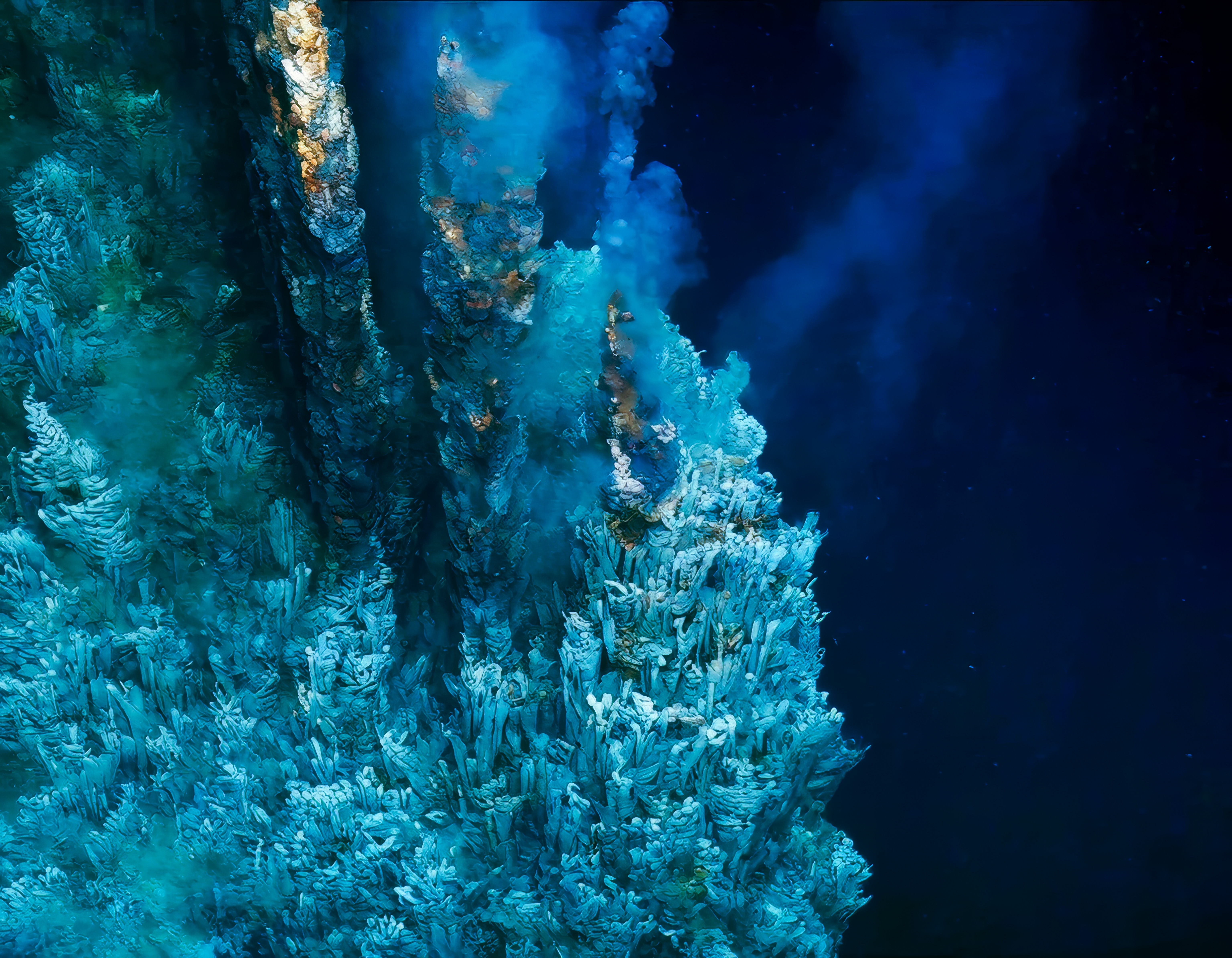
It's becoming well-established that underground environments contain troves of chemolithotrophic — meaning “rock-eating” – organisms, similar to those found at hydrothermal vents in Earth’s oceans, where geothermally heated waters are released from cracks in the seabed. If life does exist elsewhere in the Solar System, it might use a similar process to obtain energy.
“If the ancient rocks of Earth are producing this much hydrogen, it may be that similar processes are taking place on Mars,” added Sherwood Lollar.
And even this might just be the beginning of the story. Research has estimated that Earth’s interior may contain three times the amount of water as all the oceans on our surface. However, it’s not in the form of liquid, ice, or vapor. Instead, under intense heat and pressure, it’s become trapped inside the molecular structure of minerals.
While life wouldn’t be able to exploit this resource, as far as we know, it goes to show that Earth truly is a water planet, through and through.