Nature
 PUBLISHED




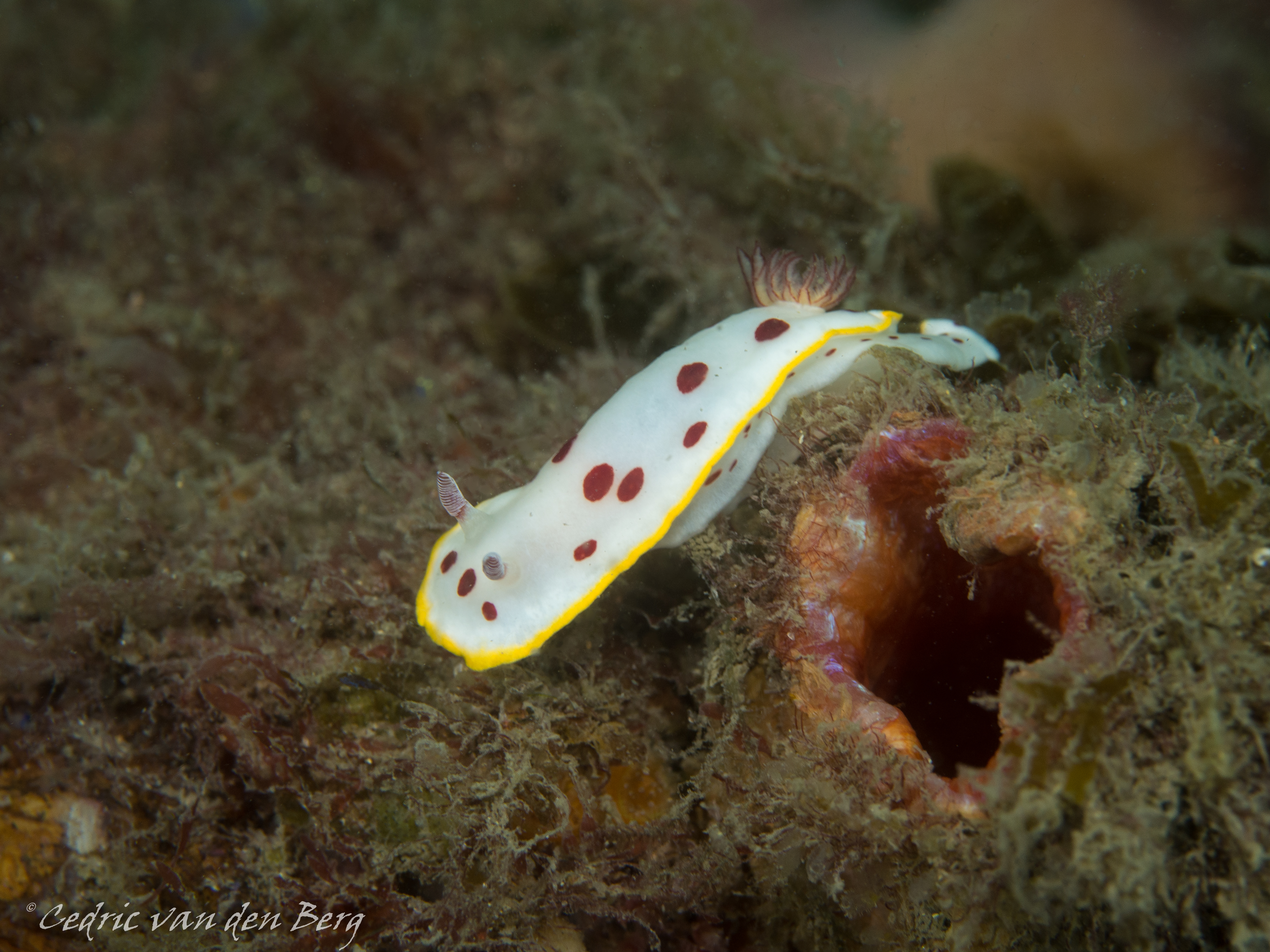
We may have visually led predators to thank for some of the most dazzling marine species: sea slugs. Luminous greens, blues, pinks, oranges, and even rainbow coloration are all on the cards when it comes to these gastropod mollusks (also known as nudibranchs). Often, it’s sending a very clear message: eat me and you’re going to have a bad time.
This is what’s known as aposematism, a defense seen among toxic animals that advertises their potent contents to would-be predators. Only hitch is, it will only be effective if there’s enough light for the colors to shine.
So, are the most flamboyant of sea slugs those that live it up when the Sun is out? A new study set out to investigate by simulating how a vast variety of sea slugs would appear to a predator using special cameras and software.
The research showed that daylight enhanced the sea slugs’ warning signs, improving their ability to ward off predators with their appearance alone. It also revealed that diurnal species stood out compared to nocturnal species, boasting more color, luminance, and contrasting patterns. This, the study authors say, indicates that it’s a kind of visual signaling intended to send a message, supporting the theory that predators are a key driver for sea slug phenotypes – and hoo boy, can they be dazzling.

“Sea slugs use bright, contrasting colour patterns to send messages to potential predators like ‘Don’t eat me, I’m poisonous’,” said Project lead Dr Cedric van den Berg in a statement sent to IFLScience. “They advertise their underlying defences such as nasty chemicals or stinging cells with bold visual signals like brightly coloured spots, thick stripes and enhanced body outlines. These tactics are strongly linked to being active during daytime when there’s enough light for these signals to function.”
“This has been thought to be necessary for any visual signal in nature to evolve, but there is surprisingly little evidence to support that assumption," van den Berg continued. "It makes sense for these species to avoid the risky and potentially costly experience of being nibbled on or even ingested by a predator whether they are toxic or not. Their bold appearance also educates predators by being distinct from other animals while also increasing the chances of being remembered.”
The study is published in the Journal Of Animal Ecology.