Nature
 PUBLISHED
 2
2



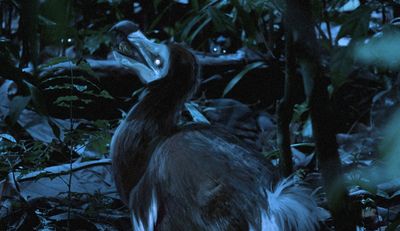


Still think dodos were fat, slow, and stupid? It might be time to reassess these icons of extinction, with a study of the few remaining skulls finding that these animals might have been nocturnal and perhaps not so dumb after all.
In 1662, within a century of its discovery, the dodo was driven to extinction. This rapid decline and extermination before the advent of modern science means we know next to nothing about the lives of these iconic birds.
“Studying extinct animals is a bit like detective work,” said Christy Anna Hipsley, associate professor at the Natural History Museum Denmark and co-author of the new work, in a statement.
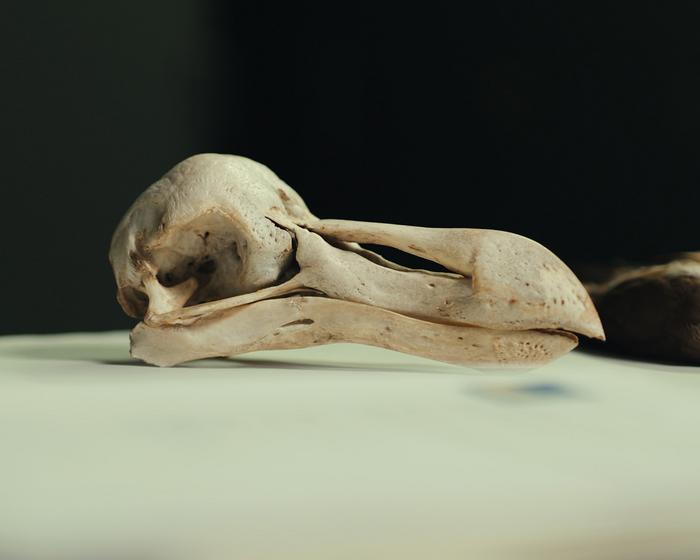
“Although the dodo's brain disappeared centuries ago, it left an imprint on the inside of the skull. By digitally reconstructing those spaces and comparing them with the brains of living birds, we can begin to piece together how the dodo sensed, behaved and interacted with the world around it.”
From bird to myth to bird again
The biology of the dodo has undergone something of a renaissance in recent years.
For centuries it was depicted as a large, portly bird that almost willed itself into extinction. These ideas were based not on direct observations of the dodo, but rather on suppositions and myths that developed throughout the 18th and 19th centuries.
New research has been addressing these misplaced ideas and painting an incredibly rich picture of what life on Mauritius was like before we humans turned up.
We now know dodos evolved from a pigeon-like ancestor, that they were relatively lean, active, and had an upright posture, and even that they possibly had brown plumage rather than the traditional white-grey of museum reconstructions (which often use swan and goose feathers).
There is also a suggestion that they went through seasonal cycles, putting on weight during the cooler, dry breeding season from April to September, when the females laid a single egg. As the seasons became wetter and hotter from October to March, the big birds may have lost weight and slimmed down.
Now by studying their reconstructed brains, researchers are trying to find out how the dodo might have behaved.
Creatures of the night
The team took scans of three dodo skulls, in addition to those from the closely related and also-extinct solitaire bird, which evolved in parallel with the dodo on the nearby island of Rodriguez.
From these scans, they reconstructed the brain shape of the extinct birds and compared them with the brains of living pigeons and doves, collectively known as the Columbidae.
They were able to see that, while the brain of the solitaire was actually quite similar to that of other pigeons, the brain of the dodo was markedly different. This suggests it had a distinct lifestyle.
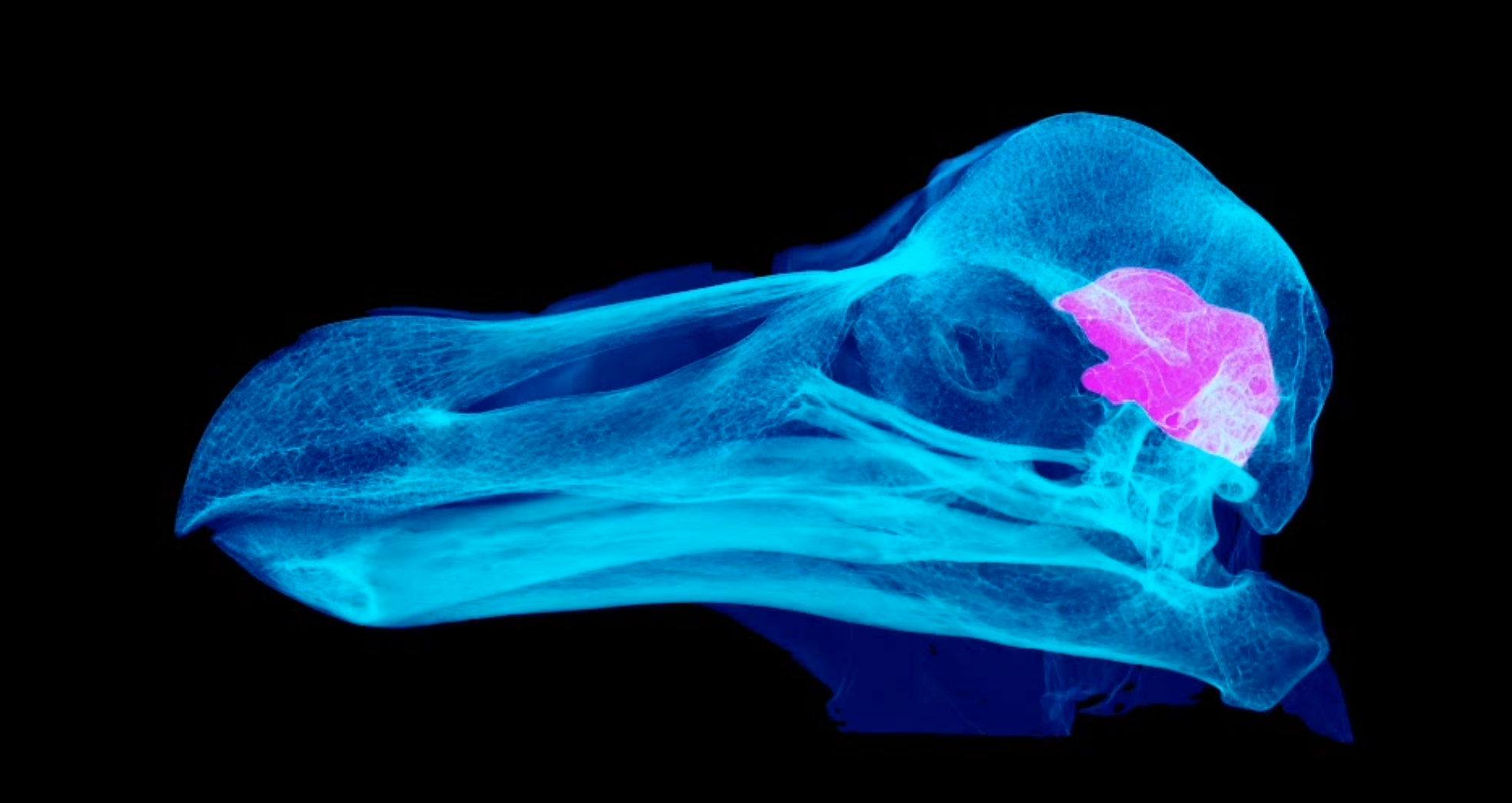
For example, the part of the brain used to process sight was smaller, but the region to process smell was enlarged. This is a pattern more usually seen in nocturnal birds such as kiwis and night parrots.
“We are quite confident that dodos were active at dawn, dusk, or night-time, which would make it the only nocturnal pigeon in the world,” said Sara Citron, a PhD student at the University of Lethbridge, Canada, in a statement.
“At night-time, it may have been able to escape competition for food sources with other species, such as the island’s many turtles.”
Not so bird-brained after all
In addition to potentially uncovering their night-time activities, the team was able to show that the dodo’s brain was no less advanced or less developed than any other member of the Columbidae, dismissing the myth that they were somehow more stupid than their surviving relatives.
“These gentle animals were possibly quite social,” Citron continues. “Like many island species, they were also used to a life without predators. They may simply have had no reason to learn fearful behaviour.”
“Calling them ‘stupid’ for being naive makes it sound like they deserved to go extinct, which is so unfair.”
In the same way that studying a chimpanzee skeleton alone wouldn’t tell us about their extraordinary culture and tool-making skills, anatomy alone will never provide a definitive picture of dodo behavior.
But with so few accurate contemporary accounts of the flightless birds, it might be the closest we can get to better understanding these icons of extinction.
The new research has been published in the Zoological Journal of the Linnean Society.