


 Nature
 PUBLISHED




Urban legends and pop culture love to spook us with tales of strange creatures lurking in city waterways, from sewer-dwelling alligators to crime-fighting ninja turtles. The true menace, however, may be the Chinese mitten crab, a tasty yet troublesome species now spreading well beyond its native range.
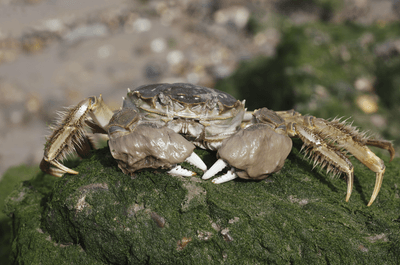
Chinese mitten crabs (Eriocheir sinensis) earned their common name because of their furry claws that look like fluffy boxing gloves or a cheerleader’s pom-pom. They range from grayish-green to dark brown in color, although they turn a pleasing reddish-orange once cooked.
Native to the rivers and estuaries of East Asia, this species of crab has invaded many waterways of North America and Europe, where they are considered a significant invasive species.
Exactly how these crabs managed to hop continents remains unclear, but there are two main theories. Firstly, they could have been brought across the sea through ballast water, which is pumped into shipping vessels to help the boats' stability and maneuverability. Secondly, and more sensationally, thousands are believed to be smuggled from Asia each year to be eaten during the Chinese New Year.
When they arrive in foreign waters, mitten crabs can easily take over the ecosystem with their destructive, boisterous behavior. Using their distinctive claws, they prey on protected native species, including white-clawed crayfish and the fry of salmon. As voracious predators, they also outcompete native wildlife for food, leaving other species hungry and struggling to survive.
Beyond their impact on wildlife, mitten crabs undermine rivers by burrowing into them and riddling them with tunnels up to half a meter (1.6 feet) long, weakening the banks and making them prone to collapse.
Across numerous regions of the US and Europe, researchers have documented the species rapidly spreading across rivers and freshwater environments. Documented hotspots include San Francisco Bay and its tributaries, the Hudson River and Long Island Sound in New York, and, across the Atlantic, London’s River Thames, along with other major northern European waterways.
Along with natural water systems, they are also prone to invading artificial pipes and wastewater infrastructure. In 2010, a report from the Netherlands (downloadable PDF here) found that sewage water treatment plants in the villages of Franeker and Veendam had a significant problem with Chinese mitten crabs. The issue was solved by placing crab-proof grids over the entrances, blocking them from scuttling in.
The same report cited evidence that the unwelcome guests had also clogged cooling systems at power plants and other industrial facilities in Nijmegen and Velsen, resulting in “financial costs”.
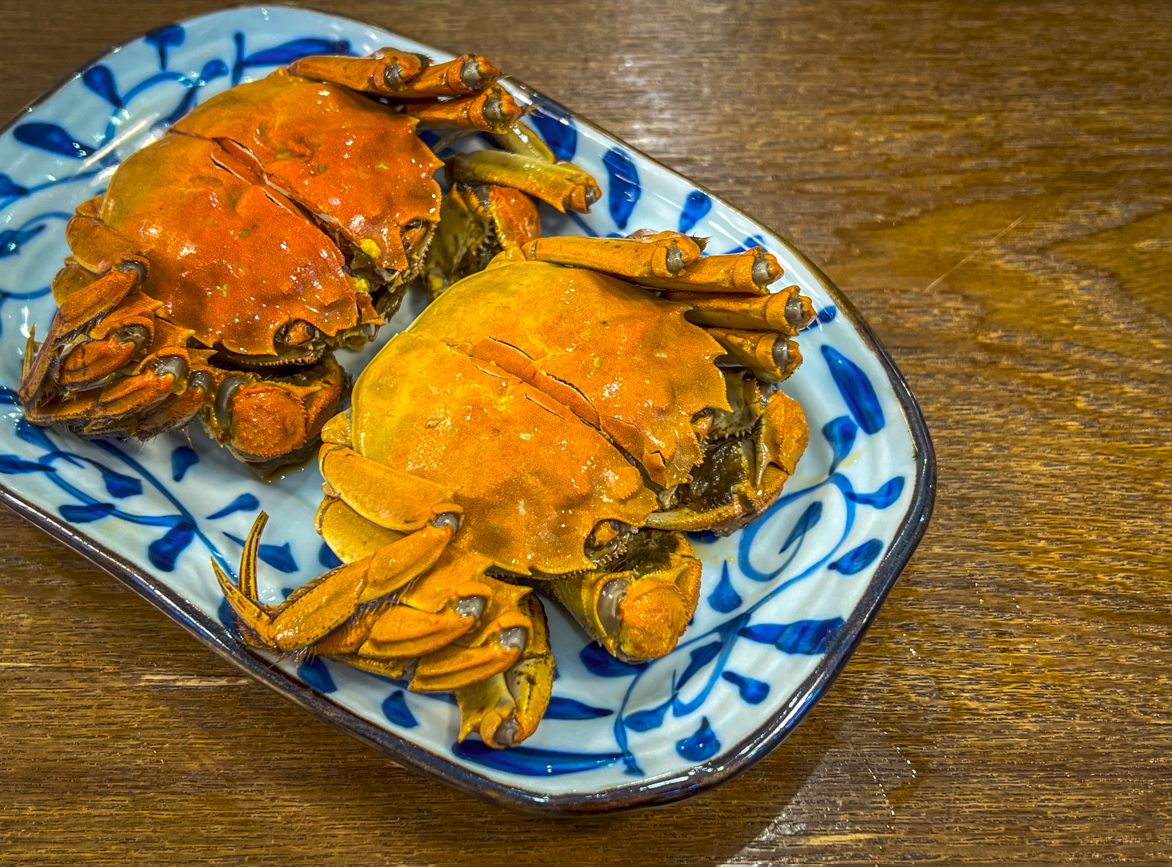
So, what can be done about these invasive pests? One solution might lie in the frying pan.
A 2008 report by the Natural History Museum, London concluded that the mitten crab population in the Thames “is large enough to support an artisanal fishing industry,” adding, “This could reduce mitten crab numbers from the catchment and provide additional financial benefits for local fishermen.”
An irritating caveat was that Chinese mitten crabs can be infected with the parasitic lung fluke Paragonimus westermani. Thorough cooking kills the parasite, but it complicates any plan to eat our way out of the problem, especially for those caught in grimy pipes and drainage systems.
For now, the crab conundrum is being quietly kept at bay, but it remains a problem that scientists and authorities are carefully looking to tackle.



 1
1