Health and Medicine
 PUBLISHED


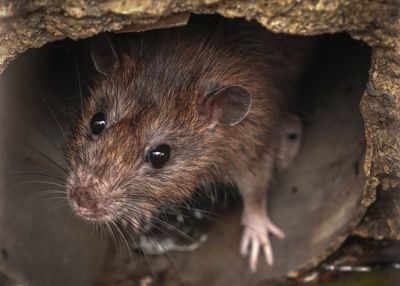


Rats can be infected with SARS-CoV-2 and those within the New York City sewer system may already be carrying the virus, according to new research. The study is among the first to demonstrate that rats, both laboratory and wild, can be infected by the coronavirus, and that it may present a second way for humans to be infected by animals.
“Our findings highlight the need for further monitoring of SARS-CoV-2 in rat populations for potential secondary zoonotic transmission to humans,” said study principal investigator Dr Henry Wan, Professor and Director of the Center for Influenza and Emerging Infectious Diseases at the University of Missouri, in a statement.
“Overall, our work in this space shows that animals can play a role in pandemics that impact humans, and it’s important that we continue to increase our understanding so we can protect both human and animal health.”
Animals were closely monitored during the COVID-19 pandemic as they could be potential carriers of the disease. Zoonotic diseases can often spread rapidly through animal carriers, so animals in high contact with humans – such as dogs, cats, and livestock – were watched for signs of infection. Many showed that they were capable of getting the disease, concerning scientists that they may increase the spread, but rats were scarcely considered.
Within New York City, there are an estimated 8 million wild rats roaming the streets and in the extensive sewer network. Previous studies have indicated that rats have been exposed to SARS-CoV-2, and given their high likelihood of human interaction and spreading disease, researchers from the University of Missouri looked to delve deeper into whether this applied to the most common variants, whether rats could become infected from these variants, and whether humans had spread the virus to rat populations in NYC.
Taking 79 rats from sewer populations, the researchers tested them for COVID-19 and investigated which variants were present, if any. Out of the 79, 13 tested positive, with some carrying variants from early in the pandemic. A further experiment demonstrated that rats could be infected with Alpha, Delta, and Omicron variants of the virus, which caused infection of the respiratory tracts much like in humans.
They believe this is among the first evidence to show that these variants can infect wild rats and that they already have, which could pose future threats.
“Our findings highlight the need for further monitoring of SARS-CoV-2 in rat populations to determine if the virus is circulating in the animals and evolving into new strains that could pose a risk to humans,” Dr Wan said.
“SARS-CoV-2 virus presents a typical one-health challenge which requires collaborative, multisectoral and transdisciplinary approaches to fully understand such challenges.”
The work is published in the journal mBio.