


 Nature
 PUBLISHED


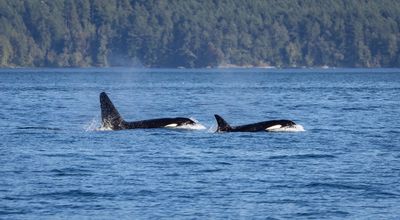


Orcas have been known to attack one another, but does that extend into eating each other, too? If so, that would add them to the list of apex predators known for cannibalism – but the authors behind a new study believe it’s not necessarily as clear-cut as it seems.
The kickstart for this conversation came in August 2022, on Bering Island. There, Russian whale researcher Sergey Fomin found the dorsal fin of a resident orca, torn off and chewed at. Then, just under two years later and only 2 kilometers (1.2 miles) away, a similarly damaged orca fin was found.
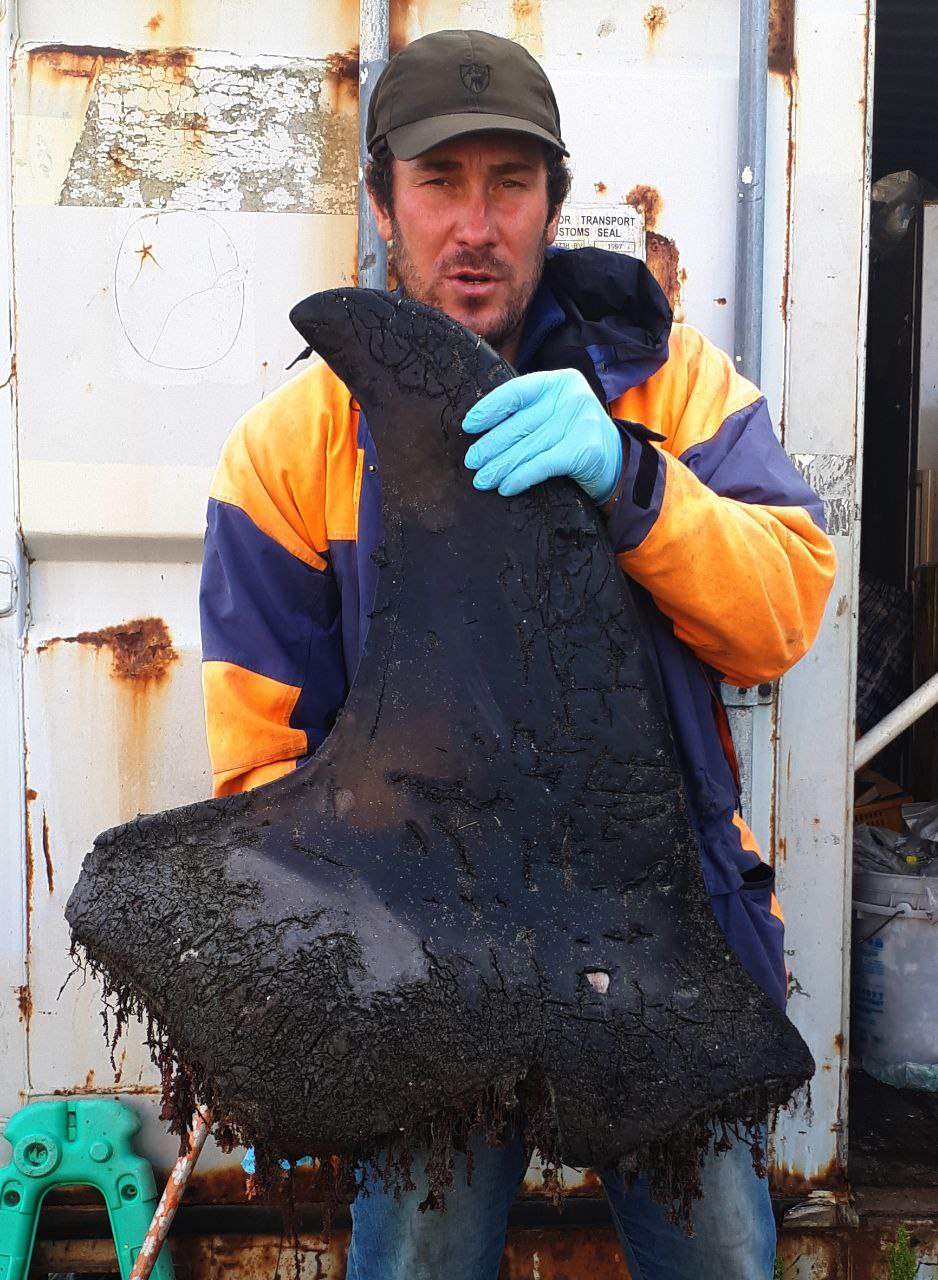
Orcas don’t have any natural predators, so how did this happen? The tooth marks, it turned out, were distinctive – they were from an orca. The DNA analysis of the fins that followed suggested that they may be examples of one population of orcas targeting another, in this case, marine mammal-eating Bigg’s orcas targeting resident orcas.
If we take cannibalism to mean an animal eating another animal of the same species, then the Bigg’s orca’s actions, on the face of it, very much appear to be cannibalistic.
While the researchers were unable to completely rule out the possibility that the chewed-up fins came from already dead individuals that other orcas simply stumbled upon, not knowing what they belonged to – “killer whales are known to exploit carrion,” Formin and his fellow study authors write – the evidence suggests that active hunting was the more likely scenario.
Though rare, “Bigg's killer whales are capable of attacking another killer whale group and killing one of its members,” the authors write, although it should be pointed out that the case they reference involved two Bigg's killer whale groups, and no orca-on-orca snacking was documented.
Still, together with the fins, and with evidence of attacks (albeit without any orca-on-orca snacking), it would seem reasonable to suggest that the responsible orcas had been engaging in active predation and cannibalism – but, as ever, the animal world isn’t always so simple. The researchers pose an interesting point – what if the orca doing the eating didn’t recognize its food as another orca?
“In the real world, killer whales are so different from each other that many researchers argue they should be divided into several subspecies. They live in groups isolated from one another, they don’t socialize across groups, and they don’t interbreed,” explained study author Olga Filatova, associate professor at the Department of Biology and affiliated with the University of Southern Denmark Climate Cluster, in a statement. “That’s also true in this case – and the hunting killer whales most likely do not perceive the ones they feed on as belonging to their own species.”
That makes defining what happened as cannibalism more complicated – and eventually, it might become impossible to define it as cannibalism at all. “We are witnessing an evolutionary process: these two groups, which never mix, are becoming increasingly distinct. At some point, they will be so different that they will become separate species,” said Filatova.
The study is published in Marine Mammal Science.

 1
1