Nature
 PUBLISHED



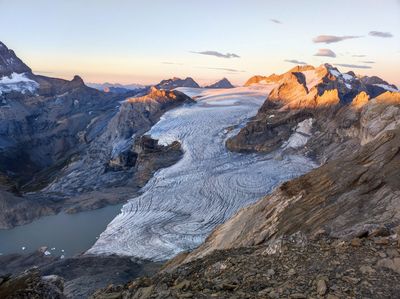


Monday, June 29 marks the day Switzerland's glaciers have lost all the ice and snow they gained the previous winter. From here, the glaciers will spend the rest of the year in retreat.
The timing is hard to ignore — it comes just after Europe was sautéed by some of the hottest heatwaves on record, amplified by climate change. Are you starting to see the link here?
Each year, glaciologists circle the date in their calendars when Switzerland's glaciers tip into a water deficit. These bodies of ice are expected to take on mass in winter and shed some of it back in summer. But past a certain point, the losses outweigh any remaining gains. That tipping point is known as Glacier Loss Day.
The date shifts every year, but there's a very clear long-term trend emerging. Over the past few decades, it has crept steadily earlier in the calendar, retreating from August into July.
Now, conditions have deteriorated to the point where the dreaded day is arriving in late June.
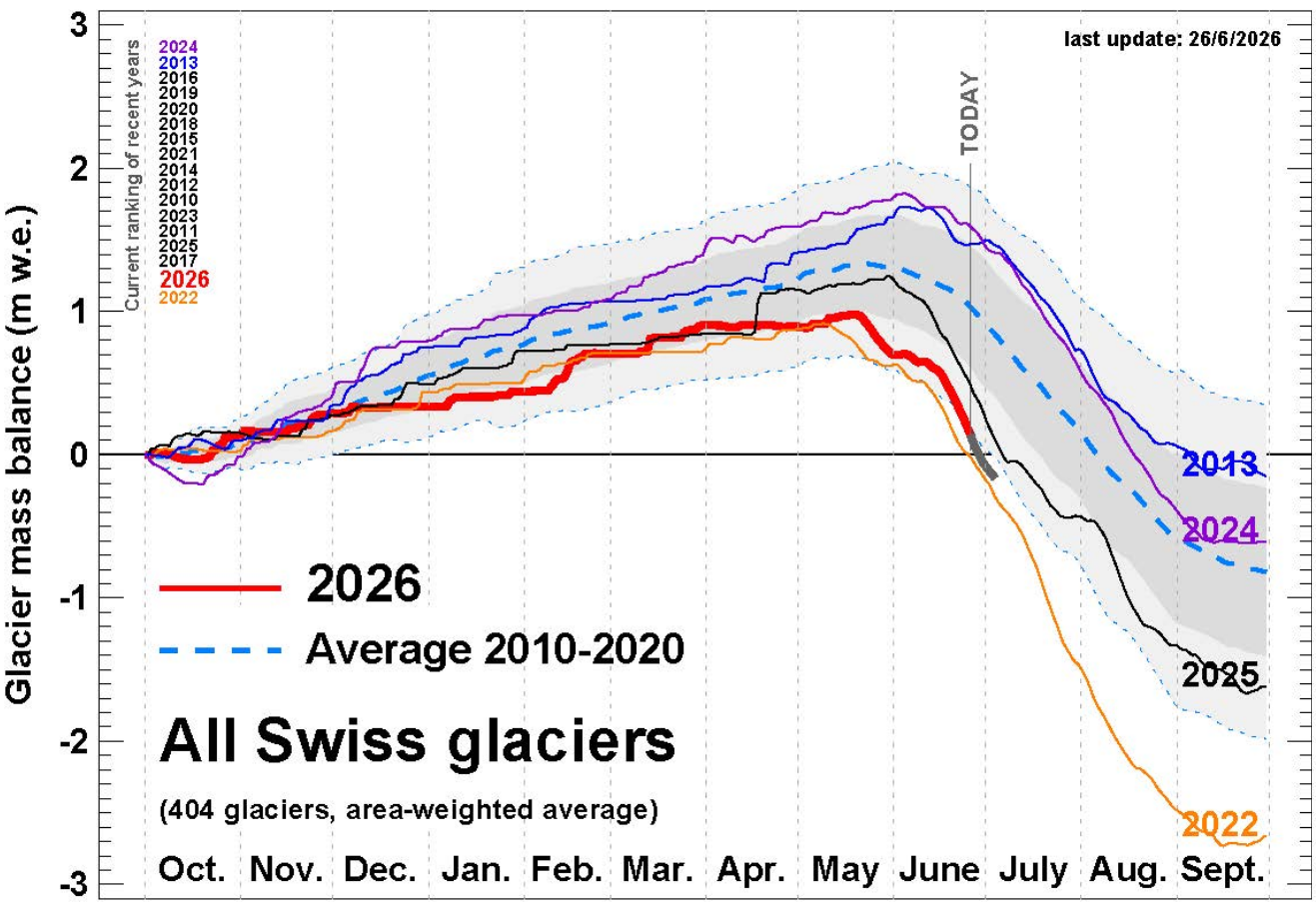
There have been outliers, such as 2022, when the date arrived on June 26 due to poor snowfall and a trio of heatwaves. There was also 2003, which saw another unusually hot summer.
However, off the back of Europe’s recent heatwave, 2026 might not be far off these exceptional years.
“The decline in ice cover is already clearly noticeable,” Dr Matthias Huss, glaciologist at ETH Zurich and the Swiss Federal Institute for Forest, Snow and Landscape Research, said in a statement.
While the recent heatwave didn’t do any favors, the stage was already set earlier this year. The past winter saw very little snow, plus there were unseasonably warm temperatures in May. All of this is underpinned by years upon years of rising temperatures, a trend that shows no sign of letting up any time soon.
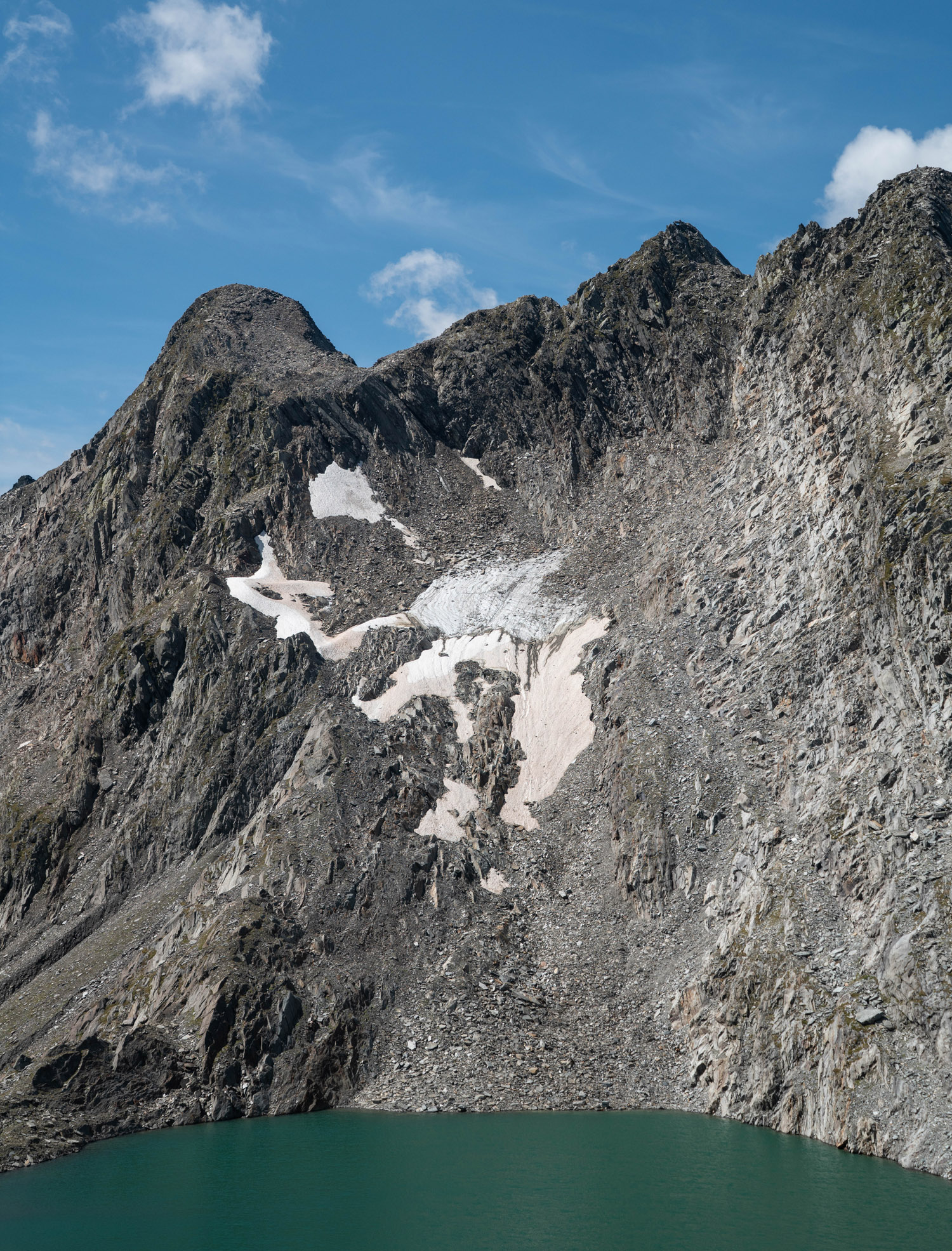
It isn’t just the Alps that are feeling the sting of warming temperatures. Planet Earth is home to more than 200,000 glaciers, but if current trends continue this figure could plummet to as low as 18,000 within this century. This death toll is likely to include many of the glaciers in the US, including those that top Yosemite’s peak.
The stakes go well beyond scenery and ski resorts. Glaciers hold around 70 percent of the world's freshwater reserves. When that ice turns from solid to liquid, it can accelerate sea-level rise, trigger local hazards like flooding, and upset the freshwater supplies that billions of people depend on.
The most worrying part of this is Antarctica, where roughly 90 percent of the world's glacier ice by volume is locked away. If even parts of this ice bank were to melt, it could raise global sea levels by several meters. The East Antarctic Ice Sheet, for instance, has a sea level equivalent of approximately 60 meters (nearly 200 feet). It's safe to say you don't want this giant hunk of ice doing anything out of the ordinary.
Switzerland's glaciers are minute by comparison, but they're a vivid signal of a much larger system that’s buckling under the strain.

 1
1