Health and Medicine
 PUBLISHED





What you'll discover in this article
- A detection of H5 bird flu has officially been confirmed in Australia.
- The highly pathogenic strain of virus has now spread to every continent on Earth.
- Another recent study highlights that the disease can look very different in non-avian animals, giving scientists clues to look for when identifying other vulnerable species.
- Fears of a future human pandemic remain, and questions have been raised about whether we're ready to face one.
Highly pathogenic avian influenza. H5N1. Or simply, bird flu. With its first confirmed detection in Australia, this highly adaptable strain of flu virus has now officially found its way onto every continent on the planet.
As that news breaks, there’s a stark warning from another group of scientists who’ve found that in 2024 the virus hid inside US dairy cattle for weeks before it was first detected. To tackle this pathogen, we need to expect the unexpected.
Only a matter of time? H5 reaches Australia
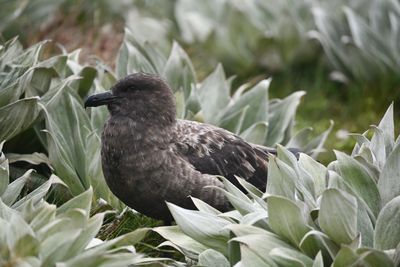
“Testing at CSIRO’s Australian Centre for Disease Preparedness (ACDP) has confirmed H5 high pathogenicity avian influenza (bird flu) in a brown skua in Western Australia,” said a statement from the Government of Australia's Department of Agriculture, Fisheries and Forestry on June 20.
That means this particular strain of flu has now officially reached every continent – yep, even Antarctica.
A second bird, a giant petrel, is also undergoing confirmatory testing after initial lab tests also showed positive for H5 flu. These are both migratory species found in “an isolated area in a national park near Esperance,” a town on the south coast of Western Australia.
Just offshore is the Archipelago of the Recherche, home to the famously pink Lake Hillier as well as a host of wildlife like sea lions and fur seals.
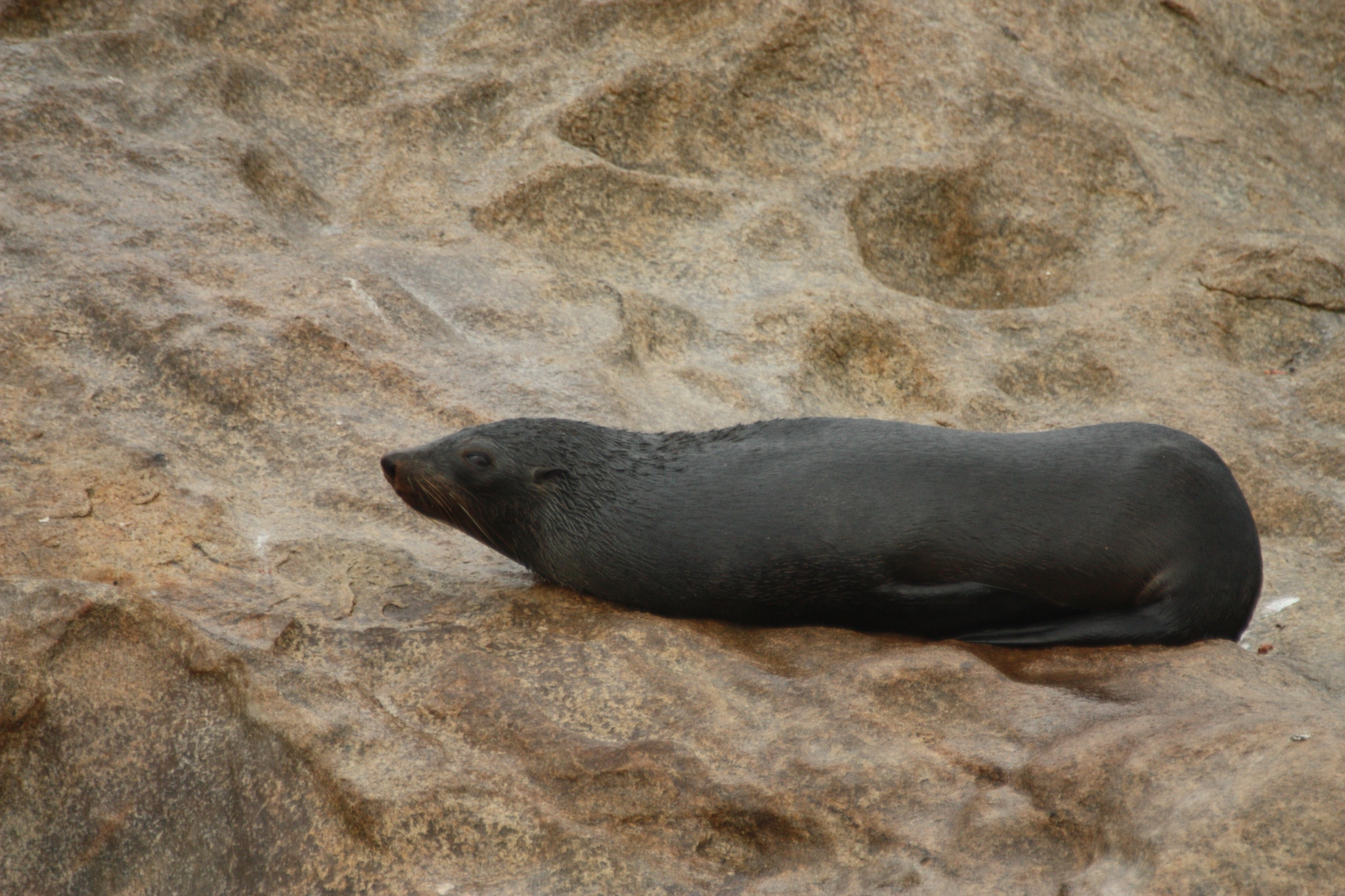
While much of the immediate concern around this detection will rightly focus on the threat to Australia’s bird populations, it’s important to note that H5 bird flu has shown itself to be adaptable to a whole range of mammalian species as well.
“This strain is different from the bird flu viruses Australia has managed in the past,” commented Dr Robin Alders, an Honorary Professor with the Development Policy Centre at the Australian National University, to the Australian Science Media Centre (SMC).
“It can infect and cause serious illness or death in a much wider range of species, not just poultry. This makes it more difficult to detect, monitor and control.”
“In Tasmania, there are concerns about Tasmanian devils because they may become infected if they feed on dead birds carrying the virus. On the mainland, other scavenging animals could face similar risks.”
In the US, large outbreaks in dairy cattle have been causing alarm since they were first detected in 2024, with documented spread to cats, alpacas, and – in the UK – sheep, not to mention a small number of human cases.
Such a wide variety of animals being affected by what is ostensibly a bird disease is already unusual enough, but a recent study discovered there was something particularly unexpected about those early dairy cattle outbreaks.
When is a lung disease not a lung disease?
Flu in humans is primarily a respiratory illness. For most people, the symptoms will be heavily dominated by coughing as well as things like fever, aches, and a sore throat.
Avian flu is also a respiratory pathogen – but as we’ve been finding out, it doesn’t limit itself. For example, some of the milder cases of H5 flu we’ve seen in humans have only led to eye infection-like symptoms.
A new study from the University of Pittsburgh School of Public Health has laid bare the surprising moves the H5N1 virus made when it first entered the cattle population – insights that could help scientists get ahead of the curve in spotting the virus’s next move.
Early infections in the Texas Panhandle region presented in the cows as a severe infection in the udders, completely bypassing the lungs and leaving veterinarians baffled.
“Mastitis is a classic disease in milk-production animals, and veterinarians were dutifully looking to all the usual suspects for the source, like bacterial pathogens,” said senior author Dr Suresh Kuchipudi in a statement.
“When the real culprit turned out to be bird flu, everyone in the field was caught completely by surprise. We hadn't even remotely considered that cattle could be a host for H5N1.”
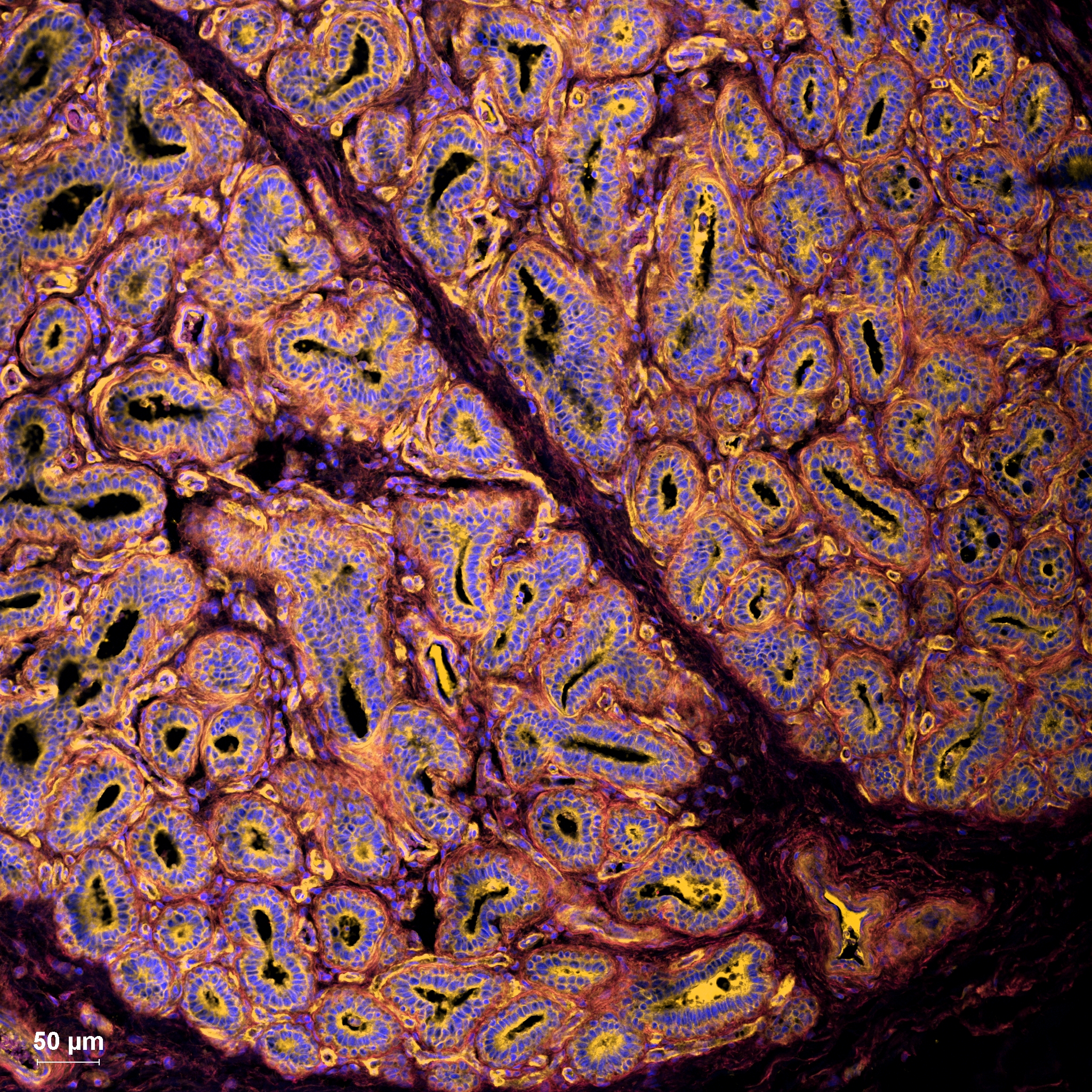
While this was going on, the infected cows were shedding huge amounts of viral particles into their milk. It’s killed by pasteurization – along with tons of other nasty pathogens, which is why raw milk is so dangerous to consume – but for farm workers and barn cats who came into contact with the milk before processing, the infection risk was there.
To find out how this had happened, Kuchipudi and the team focused on glycans, sugar-based molecules that act as receptors for flu viruses and are found in lots of different tissues.
Indeed, these glycans were present within the respiratory tracts of the cows, suggesting a more “traditional” lung infection was possible. However, what they discovered when they dug deeper was that H5N1 needs a very specific glycan receptor, one that was not present within the airway but was there in abundance in the udder.
“We can preemptively screen different species and different tissues within them for susceptibility,” said Kuchipudi, meaning it might be possible to predict which other hosts could be vulnerable, and how the disease might look.
Are we ready for H5 bird flu?
There’s been a lot of talk about the human population not being adequately prepared to face a H5-driven pandemic.
To be clear, there’s still no evidence that the virus can spread efficiently from one person to another, which it would have to in order to risk a pandemic along the lines of COVID-19 or the 1918 flu.
That hasn’t stopped preparations, however, including efforts to stockpile vaccines and develop new, hopefully more effective ones.
A 2025 paper in the American Journal of Public Health suggested the US public was underestimating the potential seriousness of H5 influenza. The nation was also notably absent from the signing of the first-ever global pandemic treaty in April 2025.
And with a Health and Human Services Secretary who has sought to cut vaccines from the childhood schedule, made anti-scientific claims about measles, autism, and water fluoridation, and even expressed doubt about germ theory, it could be argued that the US is not strongly placed to tackle a flu pandemic just now.
That’s without even mentioning the swingeing budget cuts that have impacted health research and surveillance in US federal institutions during the current administration.
Over in Australia, where authorities are facing this pathogen on their shores for the first time, the public are being urged not to handle sick or dead birds or wildlife and to instead report any concerns via the national Emergency Animal Disease Hotline or online.
It’s not necessarily surprising that the virus has been detected in Australia, but it is nonetheless a concerning development.
“Unfortunately, everywhere this virus has emerged has been really catastrophic, with mass mortality events in wildlife, and in some places, we've seen species-level reductions in population,” Dr Michelle Wille, Outreach Coordinator at the WHO Collaborating Centre for Reference and Research on Influenza at the Doherty Institute, told the SMC.
Wille reemphasized the message that reporting any suspicions is imperative, as well as following local advice about prevention for those who have close contact with livestock and wildlife.
“Please don't touch the carcasses, but definitely have a look and take some notes about what it is – reporting is the really critical part."
The new study on H5N1 in dairy cows is published in Science Advances.