Health and Medicine
 PUBLISHED
 3
3




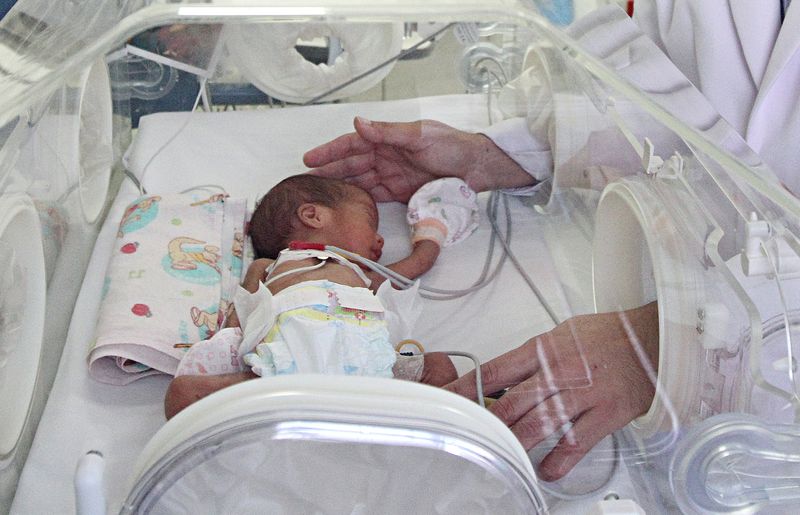
A newborn baby in New Mexico has died from Listeria infection, which health officials say most likely originated from their mother’s consumption of raw milk during pregnancy. The tragic case underscores the very real health risks of consuming unpasteurized dairy products, despite the increasing number of high-profile advocates of the practice – including US Health and Human Services (HHS) Secretary Robert F. Kennedy, Jr.
A statement from the New Mexico Department of Health (NMDOH) explained that while investigators cannot pinpoint the exact cause of the infection in this case, they believe raw milk is the likeliest point of origin.
Pregnant people have long been advised to avoid any raw milk products, including cheeses produced from raw milk, due to the risks. “Individuals who are pregnant should only consume pasteurized milk products to help prevent illnesses and deaths in newborns,” said deputy state epidemiologist Dr Chad Smelser.
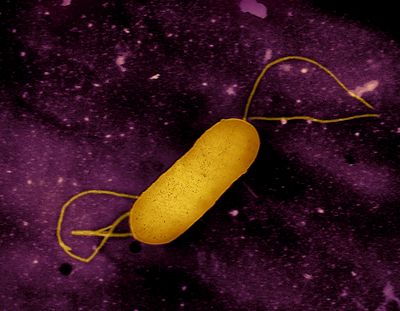
Listeria monocytogenes, usually shortened to Listeria, is one of a number of dangerous pathogens that can lurk in milk. It’s particularly dangerous for pregnant people, the elderly, and those with weakened immune systems. Unlike many bacteria, Listeria can continue to grow at refrigeration temperatures.
But we do have one very effective defense at our disposal: pasteurization.
The process was developed by Louis Pasteur in the 1860s for the preservation of wine and beer. It was only later applied to dairy products, after scientific advances from germ theory pioneers like Pasteur and Robert Koch began to show that infectious diseases could be spread to humans via milk.
Pasteurization might sound like a complex, scientific procedure, but in reality, it’s astoundingly simple: you heat the product to a specific temperature for a specific amount of time. That’s it. There are different variations of the process, such as ultra-high-temperature (UHT) pasteurization, which produces milk with an extended shelf-life that can be stored unrefrigerated. But the key points remain unchanged: it’s all about heat and time.
Listeria is not the only pathogen that is effectively killed by pasteurization. Other bacteria include E. coli, Campylobacter, Brucella, and Mycobacterium species – the causative agent behind tuberculosis.
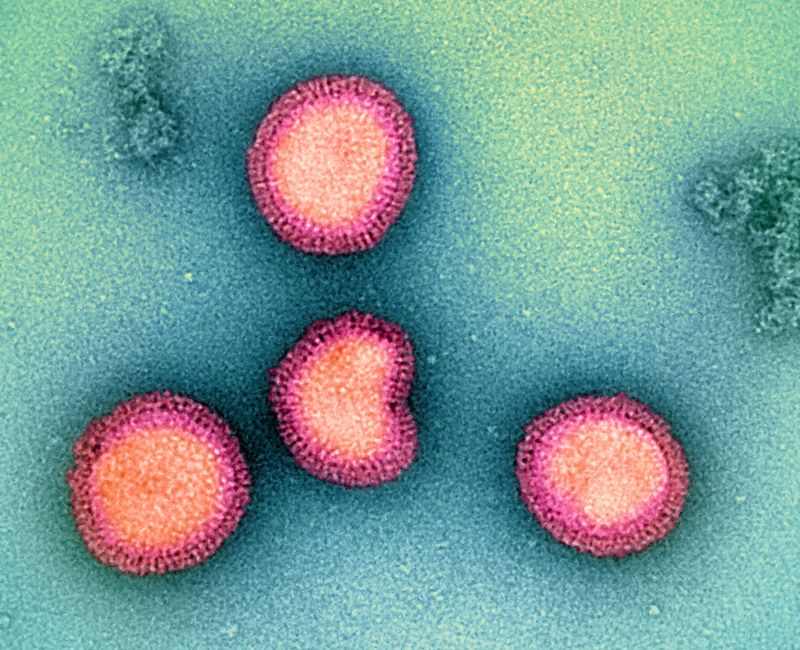
It also works against viruses. In light of recent outbreaks of avian H5 influenza (AKA bird flu) on US dairy farms, research has shown that the virus can be present in raw milk, and that pasteurization inactivates it.
There's no way to tell whether milk is contaminated, and even farms with rigorous cleanliness and safety practices can produce raw milk with dangerous pathogens.
So effective is pasteurization, one 2017 study found that unpasteurized dairy products cause 840 times more illnesses and 45 times more hospitalizations than pasteurized products. Even better, it doesn’t negatively impact the nutritional profile of the milk in any way.
It’s a win-win. And yet…
“Unfortunately, some well-recognized preventable contributors to infant disease and mortality persist to the present; among these contributors is the effort to commercialize the sale of raw milk,” wrote Russell W. Currier and John A. Widness in a 2018 review of the history of milk hygiene.
Since then, raw milk has arguably grown in popularity, helped on its way by a number of high-profile influencers and political figures touting its supposed “benefits”. Among them is HHS Secretary Kennedy.
Kennedy has previously described himself as a fan of unpasteurized dairy, telling attendees at a 2022 conference that he “only drank raw milk”. In a post on X in October 2024, he included raw milk in a list of things he suggested had been “aggressively suppressed” by the Food and Drug Administration (FDA); the list also included “sunshine”, “exercise”, and “vitamins”.
There were those who thought Kennedy’s tenure at the helm of HHS would signal a radical shift in position and that raw milk would become easier to produce and purchase. More recently, some have voiced their disappointment, suggesting the department has not gone as far in this direction as they would like.
As of January 2026, Kennedy’s focus has appeared to shift towards promoting whole milk and the provision of milk in schools, without mentioning pasteurization. But that doesn’t alter the fact that the head of federal health agencies in the United States was, at least until very recently, a vocal proponent of a product that the FDA, Centers for Disease Control and Prevention, and American Academy of Pediatrics all clearly state is unsafe.
Online, the raw milk discourse is as widespread as ever. At time of writing, a search on TikTok for #rawmilk produces over 38,000 results. At least some of those are videos warning against its dangers, but a quick scroll proves you don’t have to search for long to find others loudly proclaiming its supposed “benefits”.
The science on pasteurization is clear. Raw milk can contain tons of dangerous pathogens, and is categorically not any better in terms of nutrition. As this sad case in New Mexico proves, choosing raw milk is simply not worth the risks.