Health and Medicine
 PUBLISHED
 3
3


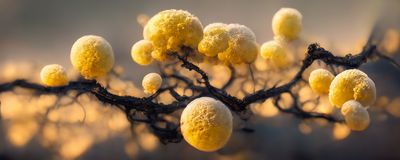


A drug-resistant super fungus has been spreading across the world and has since become an unwelcome visitor in dozens of US states. In a new study, scientists at the University of California - San Francisco have uncovered the wicked ways of this pathogen and worked out how it became such a prolific menace.
What's the big deal about Candida auris?
The fungus is a single-celled yeast known as Candida auris. It was first described at a Tokyo hospital in 2009 after it was discovered in the ear of a 70-year-old woman. Within a matter of years, clinicians reported it springing up in Pakistan, India, South Africa, and Venezuela. Today, it's considered a global problem.
Much like the problem of antibiotics and drug-resistant bacteria, drug-resistant C. auris is likely to be linked to the overuse of antifungal medication and antifungal pesticides.
In hospital environments, where vulnerable patients with weakened immune systems are closely packed, the fungus can be a significant problem.
While it can harmlessly live on the skin, the infection can prove deadly if it reaches the bloodstream. It’s estimated that it kills around 3,000 patients in hospitals and care homes each year in the US.
“For most people, Candida auris hangs out on the skin and doesn't cause any problems. It's only when it reaches deeper tissues in medically vulnerable patients that it becomes dangerous,” Professor Ari Molofsky, co-senior author of the new paper and an immunologist at the University of California - San Francisco (UCSF), said in a statement.
“Understanding how it survives on the skin may help explain how it eventually causes serious infections,” said Molofsky.
How does Candida auris challenge the immune system?
The new research from UCSF has helped to reveal the success of this drug-resistant super fungus.
The team was particularly curious about what allowed C. auris to persist on the skin, unlike its meeker relatives, such as Candida albicans, which is easily cleared by the immune system.
“Candida auris colonizes skin way better than most other fungi, setting it up to invade once the immune system is weakened,” explained Dean Merrill, first author of the study, dermatologist, and professor at UCSF.
“The big clinical problem is that we have no effective way to remove it from the skin.”
The team found that C. albicans and C. auris spark very different immune responses. The former triggers an immune signal called IL-17, which boosts antifungal defenses, while the latter triggers interferon-gamma, which is more commonly linked to viral infections.
Hiding out in hair follicles
They also discovered C. auris is able to persist on the skin because it sneaks into hair follicles found across the human body to find refuge.
To pull this off, the fungus tweaks its outer shell to show more of a molecule called chitin, a tough material found in cell walls in fungi, as well as the outer shells of insects and crustaceans
This tricks immune cells into releasing a chemical called interferon-gamma right around the hair follicle. That chemical accidentally blocks the skin's normal antifungal defenses, like the IL-17 response.
It also slows down how fast hair follicles shed and replace old cells. This creates a cozy, damaged buildup of cells where C. auris can safely settle in and thrive.
“Chitin is widespread in nature, so it’s not like the human skin never encounters it, but we were surprised to see that C. auris actively uses its chitin to turn the skin into a perfect nest,” added Suzanne Noble, a professor of microbiology at UCSF and co-senior author of the paper.
Possible new treatments
The good news is that this revelation could help to pave the way towards more effective treatments. For instance, future therapies could use drugs to retrain the immune system to switch back to helpful IL-17 signals, or use medications to block chitin from triggering interferon-gamma in the first place.
For now, however, medical professionals across the world are left struggling against this pathogen with a depleting arsenal of antifungal medicines.
The study is published in the journal Science.