Nature
 PUBLISHED
 4
4


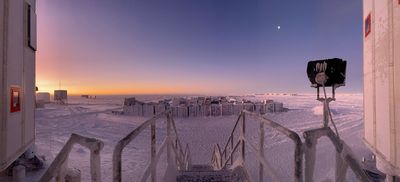


In March 2022, Antarctica was struck by an extraordinary heatwave that saw temperatures rise by up to 40°C (72°F) above the seasonal average. This event – the highest jump above average seasonal temperature ever recorded – may seem like a freak anomaly, but it’s likely to be a sign of what’s ahead for planet Earth.
The surge of heat was recorded at the Concordia-Dome C research station deep within East Antarctica on March 18, 2022, but the figures were revealed in a study earlier this year.
The average annual temperature in Concordia is around -55°C (-67°F), although it varies with the seasons between -30°C (-22°F) in summer and as low as -80°C (112°F) in winter. March is a transition month into Antarctic winter, with daily average temperatures generally hovering around –50°C (-58°F).
On that late-summer day in March 2022, the remote station saw an all-time temperature record of -9.4°C (-15.08°F), around 40°C (72°F) higher than the seasonal average.
The extent of the heatwave was vast too. The researchers estimated that an area of 3.3 million square kilometers (1.21 square miles) in East Antarctica exceeded previous March monthly temperature records in 2022.
The relatively balmy heat drove a significant amount of ice melting around Antarctica. Coastal areas witnessed widespread surface melt, contributing to a record low sea-ice extent. It may have even been the last straw that led to the final collapse of the Conger Ice Shelf on March 15, 2022.
The heat was brought to Antarctica due to some fierce tropical cyclone activity in the Indian Ocean, which dumped a load of relatively warm and moist air into the interior of Antarctica. An atmospheric river intrusion also blanketed the East Antarctic Plateau with a thick layer of cloud, trapping heat in the lower atmosphere.
This shockingly high-temperature anomaly is inseparable from the wider changes facing our planet’s climate, the researchers say. The March 2022 Antarctica heatwave would typically be considered a “one in 100-year event,” but the scientists warn that climate change is set to ensure this wasn’t just a freak one-off.
The Arctic on the other side of the planet currently takes the brunt of climate change, with average temperatures rising four times faster than the global average. It was previously believed that Antarctica was less vulnerable to climate change than most regions of the world, especially the Arctic, but these latest findings clearly show the “sleeping giant" continent of the Southern Hemisphere is starting to feel the sting.
“Across the globe, extreme temperature and weather events are breaking records by wide margins – and this event shows that Antarctica is not immune from this emerging trend," Dr Tom Bracegirdle, co-author of the study and Deputy Science Leader for the Atmosphere, Ice, and Climate team at British Antarctic Survey, said in a statement.
“Extreme events are a key aspect of understanding how Earth’s systems and frozen places will respond to global warming, and on what timeline. It is critical that we improve our understanding of how climate change will influence the severity and frequency of extreme events in Antarctica."
The study is published in the American Meteorological Society’s Journal of Climate.