Nature
 PUBLISHED


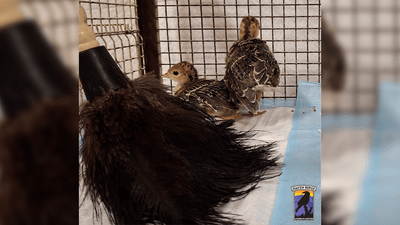


Wildlife centers have to be prepared for all kinds of creatures to come through their doors. From poorly turtles to baby orangutans, teams have to be on their A-game to provide everything a creature in need of help might want. For one pair of turkey poults, this happened to be a feather duster.
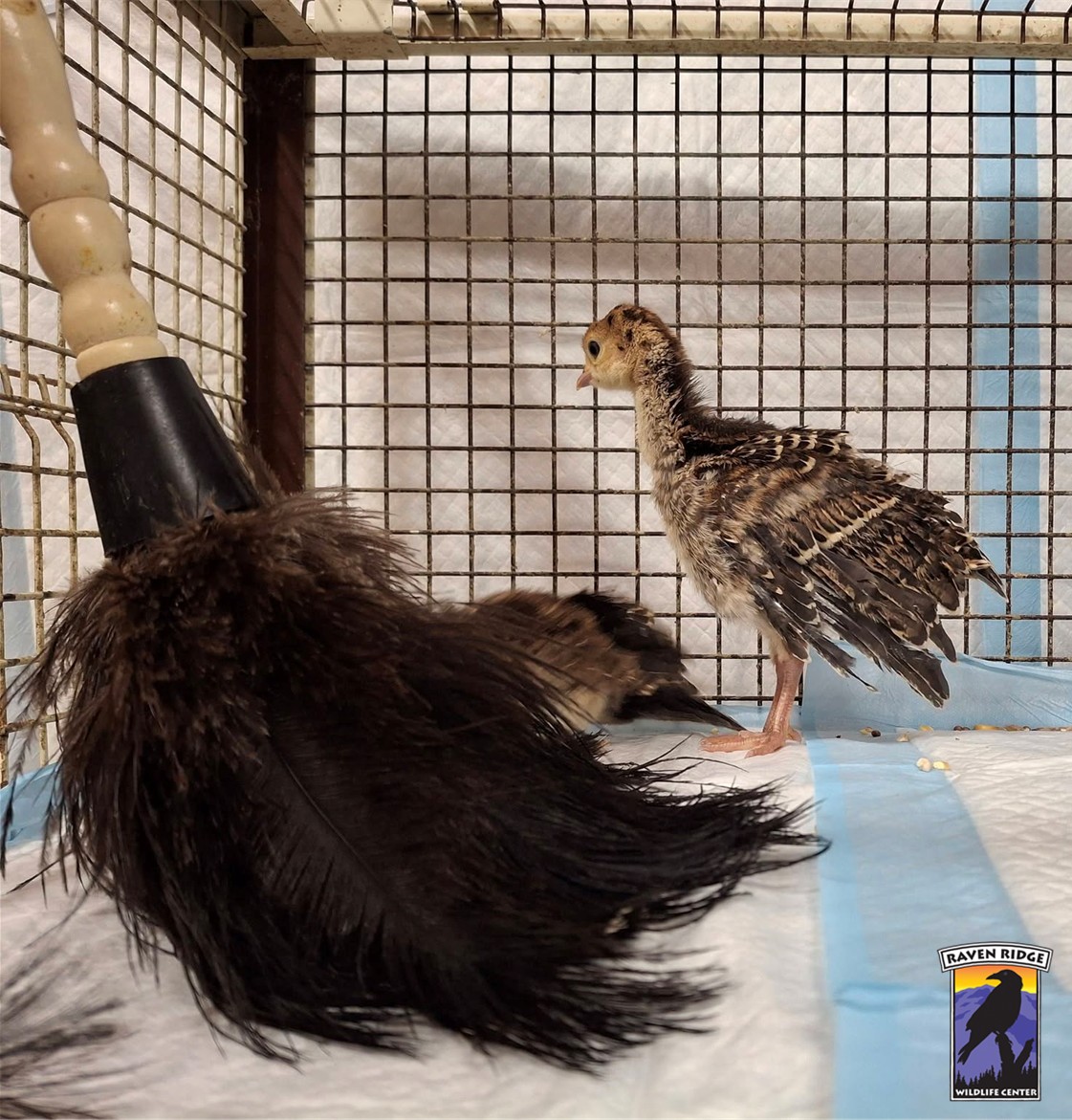
Raven Ridge Wildlife Centre, in Lancaster County, Pennsylvania, received a call that their Game Warden was bringing in two turkey chicks – or poults, as they are known – after (it is thought) their mother was killed by a car. The team shared photographs of the poults on their Facebook page, showing the two youngsters with a feather duster in their enclosure.
The team wrote, “To help these high-stress poults feel more comfortable, our team creates a mother-like environment using a feather duster for them to hide in. We always strive to establish comforting habits for our patients to help them adjust to their stay in rehab.”
The two chicks can now hide under the feather duster as if it were their mother, helping them to feel safe and secure in their temporary home.
Turkeys were nearly wiped out by hunters in the early 1800s across many places in the United States. By the early 1900s, it was thought that only a few thousand remained in the more remote parts of Pennsylvania.
Thanks to the introduction of hunting laws and a turkey season, plus the creation of refuges to protect key turkey habitat, the turkey population crash slowed. However, this wasn’t enough to restore numbers.
After years of a mostly failed programme to use pen-raised turkeys to boost the numbers, the project was ending and the decision was made to bring in wild birds from areas where the population had recovered.
Now, turkeys in North America are classed as Least Concern by the IUCN, with numbers thought to be still increasing. Still, looking after the two little chicks is important, and the team have even added pictures of adult turkeys inside the area where the poults are being raised.
It’s not a surprise for wildlife shelters and even zoos to take unconventional approaches to mimicking the natural world for their wards, or even just to provide comfort. Punch the monkey rose to international fame with his orangutan friend from IKEA, while researchers in China donned panda suits in an effort to prepare captive-bred cubs for life in the wild.
From feather dusters to panda suits – animal rehabilitation takes a lot of work, but can be vital for species' survival.