Nature
 PUBLISHED
 3
3


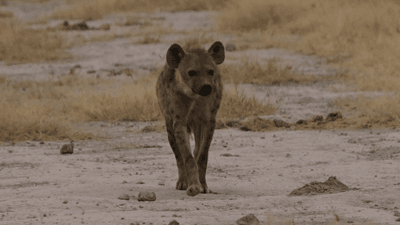


A spotted hyena embarked on a lengthy and unexpected journey when it traveled to southeastern Egypt, marking the first time these animals have been seen here in around 5,000 years. The hyena was traveling alone, and regrettably met its end 30 kilometers (18.6 miles) from the Sudan border when it was shot.
The spotted hyena (Crocuta crocuta) had killed two goats after entering the region, goats herded by people in Wadi Yahmib in the Elba Protected Area. As a result, it was tracked and shot in February 2024, but its death would mark a rare record for these animals that stunned ecologists.
“My first reaction was disbelief until I checked the photos and videos of the remains,” said Dr Adbullah Nagy from Al-Azhar University, Egypt in a statement, who is lead author on a study about the rare hyena sighting. “Seeing the evidence, I was completely taken aback. It was beyond anything we had expected to find in Egypt.”

The area it was killed in is around 500 kilometers (310.6 miles) north of the known range for spotted hyenas, which – alongside striped hyenas – are native to Sudan. They’re typically pack animals that travel up to 27 kilometers (16.7 miles) in a day, so the discovery of this individual alone and so far from home asks many questions.
Nagy and colleagues set out to answer one of them: could increased rainfall have created more widespread grazing areas, bringing in more prey that might attract spotted hyenas? To find out, they used satellite images to measure how much vegetation grew in the area from 1984 to 2022, which is a good marker of rainfall and grazing conditions.
They found patterns of long droughts spanning several years that were broken by shorter wet periods. Interestingly, the last five years showed more plant growth compared to the previous 20 years, which could mean there was more food for grazing species to eat, which in turn meant more food for predatory spotted hyenas.

“The fact that the corridor area has become less environmentally harsh, offering easier passage along ‘the highway’, may explain how the hyena reached this far north,” added Nagy. “However, the motivation for its extensive journey into Egypt is still a mystery that demands further research.”
If climate change continues to alter weather patterns, it could mean that species popping up in unexpected places will become more common. A sad day for this particular nomadic hyena, but perhaps a pivotal one in our understanding of how changing weather influences their movements.
The study is published in the journal Mammalia.