Nature
 PUBLISHED


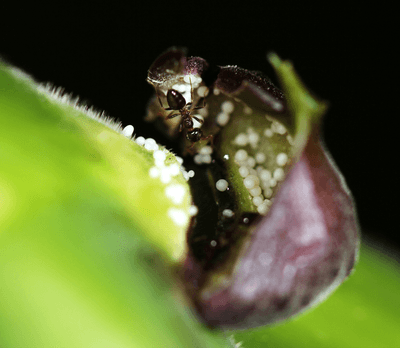


Habitats possess thousands, if not millions, of incredible intricate relationships that have been shaped by years of evolution. In Malaysian Borneo, this is apparent in hollow tubes created inside plants for ants to live in; the plant provides food and shelter for the ants, which in turn protect the plants from caterpillars and other predators. This system has successfully worked for at least 10 million years – but now, there’s a problem.
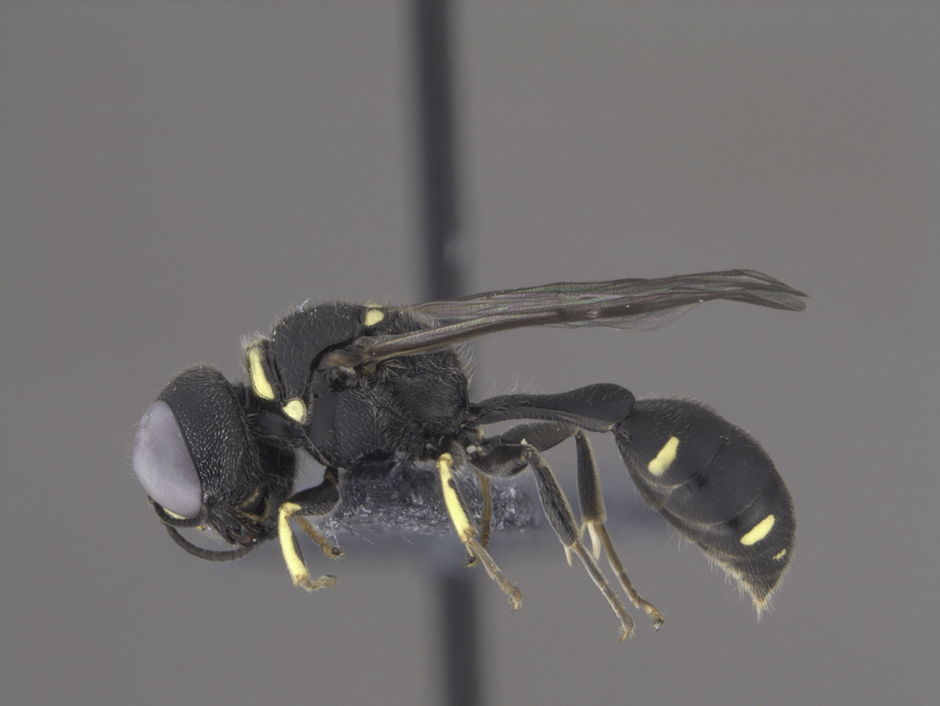
When studying the tropical plant Macaranga pearsonii, researchers found that the structures used to house ant colonies have been taken over by an interloper, a species of predatory wasp known as Dasyproctus agilis.
“While surveying these ant‑plants, I noticed that many stems had been hollowed out in an unusual way. When we opened them, they were full of flies being eaten alive by wasp larvae. Adult wasps hunt and paralyse the flies, then store them inside the plant’s cavities as food for their young,” said lead author Dan Lestina in a statement.
The team dissected 213 Macaranga pearsonii trees across the Malaysian state of Sabah to find out just how much of a problem this had become, and found that it was geographically widespread in disturbed habitats.
While the ant-plant relationship is well known, this is the first time that a cavity nesting wasp has been found living in the space typically occupied by the ants. The wasp species are cavity nesters and do typically use the stems of plants to have their young, which are sealed inside with a fly prey to feed on; however, this is also the first record of this wasp using a member of the plant family Euphorbiaceae as a nesting site.
In an effort to determine if there was a relationship between habitat disturbance and wasp takeover, researchers carried out further sampling of trees in land that is primarily used for palm oil plantations and has undergone heavy logging. They collected samples from both the plantations and the logged area to compare the presence of the wasps between the two.
The team found that plants in oil palm plantations were more likely to have wasps present inside these structures. In fact, only one of 41 trees studied in the logged area possessed wasps, compared to 12 out of 43 trees in the plantation area. The team think that this might be because of the use of pesticides in the plantations, which could favor a generalist wasp species like Dasyproctus agilis.
“Human activities are transforming habitats worldwide, and this kind of shift in species interactions is exactly what we expect to see. We don’t yet know whether this wasp is native or introduced, but its spread is clearly linked to disturbed landscapes,” said co‑author Dr Kalsum M. Yusah.
The researchers also discovered that those plants with wasps housed much smaller ant colonies, suggesting that the ants are being thrown out and displaced by the wasps. This would then reduce the ability of the ants to protect the plants from herbivorous insects.
“When mutualistic benefits break down, it can drive long-term evolutionary change. If these structures become less valuable to the plants because wasps exploit them, the plants may stop investing in them. These subtle, long-term consequences of human activity are far less understood than straightforward biodiversity loss," said senior author Dr Tom M. Fayle.
The study is published in PeerJ.

 1
1