Nature
 PUBLISHED


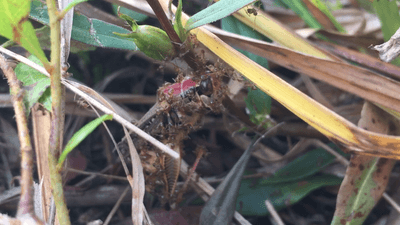


Invasive species can cause all kinds of problems, from outcompeting native animals to wiping out crops and causing massive ecological chaos. Even something as small as an ant can have the power to dramatically alter habitats with concerning consequences. The invasive tawny crazy ant, for example, even has the ability to take on large prey and totally consume it in just 4 hours.
The tawny crazy ant (Nylanderia fulva) is originally from South America, but invasive populations exist in the southeast US across Florida and Texas. The species is highly opportunistic and scavenges food sources such as aphid honeydew and dead insects. These invasive colonies can easily overwhelm native ant species within just a year of arrival.
However, most research currently looks at the impact of this species on other ground or litter-dwelling creatures. A new study instead decided to consider the impact these ants are having above the ground level in a coastal tallgrass prairie in Texas.
To do this, the team constructed an experiment to find out if the ants would prey on large overground insects like grasshoppers. They tethered grasshoppers with fishing line to see if the ants would prey upon them, and deliberately chose grasshoppers of different species and diets to see if that would have any impact on the ants. The grasshoppers were able to climb onto vegetation and fly short distances, but could not fly away completely.
Of the 40 total grasshoppers that were tethered during the experiment, nearly half were eaten by the tawny crazy ants. “Within the first 4 [hours], 48.72% (10 grass feeders and 9 mixed feeders) were dead and covered by N. fulva,” write the authors in their paper. Three other grasshoppers died but were not covered in ants, and 17 more were alive and then released after 24 hours had passed.
The researcher looked further at the impact this could have on the trophic levels present in such an ecosystem. As a result, they suggested that both animal and plant-based food sources play an important role in the diet of the tawny crazy ant, and that this degree of dietary flexibility likely contributes to their success as an invasive species.
“If N. fulva does reduce the abundance and richness of large, aboveground herbivores as we predict on the basis of these data, invading populations of this ant may be a serious threat to the conservation of imperiled coastal tallgrass prairies and other grasslands in the southeastern United States,” conclude the authors.
The study is published in Ecology and Evolution.