Nature
 PUBLISHED




Bornean elephants, best known as the world’s smallest living elephants, have now been classified as “Endangered” by the International Union for the Conservation of Nature (IUCN), following decades of habitat destruction, conflict with humans, and debate over their status as a subspecies.
Unique to the island they’re named after, Bornean elephants are characteristically small compared to their relatives, standing at around 2.5 to 3 meters (8.2 to 9.8 feet). They’ve long been suspected to be a subspecies of Asian elephants, with some suggesting that they were isolated from their mainland relatives around 300,000 years ago and others putting forward it was closer to somewhere between 11,400 to 18,300 years ago.
That’s only part of the debate around the place of Bornean elephants within the animal world, which has made it much harder to provide them with the protection that they need.
It’s thought there are only around 1,000 Bornean elephants left, with the population continuing to decline following clearance of the forests they inhabit – for logging and palm oil plantations – and a recent increase in conflict with humans.
Thankfully, new research conducted by a team at the Natural History Museum (NHM) in London has stepped in to support their classification as a subspecies of Asian elephant and consequently, their place as endangered on the IUCN Red List.
The research involved comparing over 120 Asian elephant skulls in the NHM’s collection, which revealed some key differences seen in Bornean elephants compared to their larger relatives; their heads are wider, and in the region of the skull where the trunk would be, the gap was narrower.
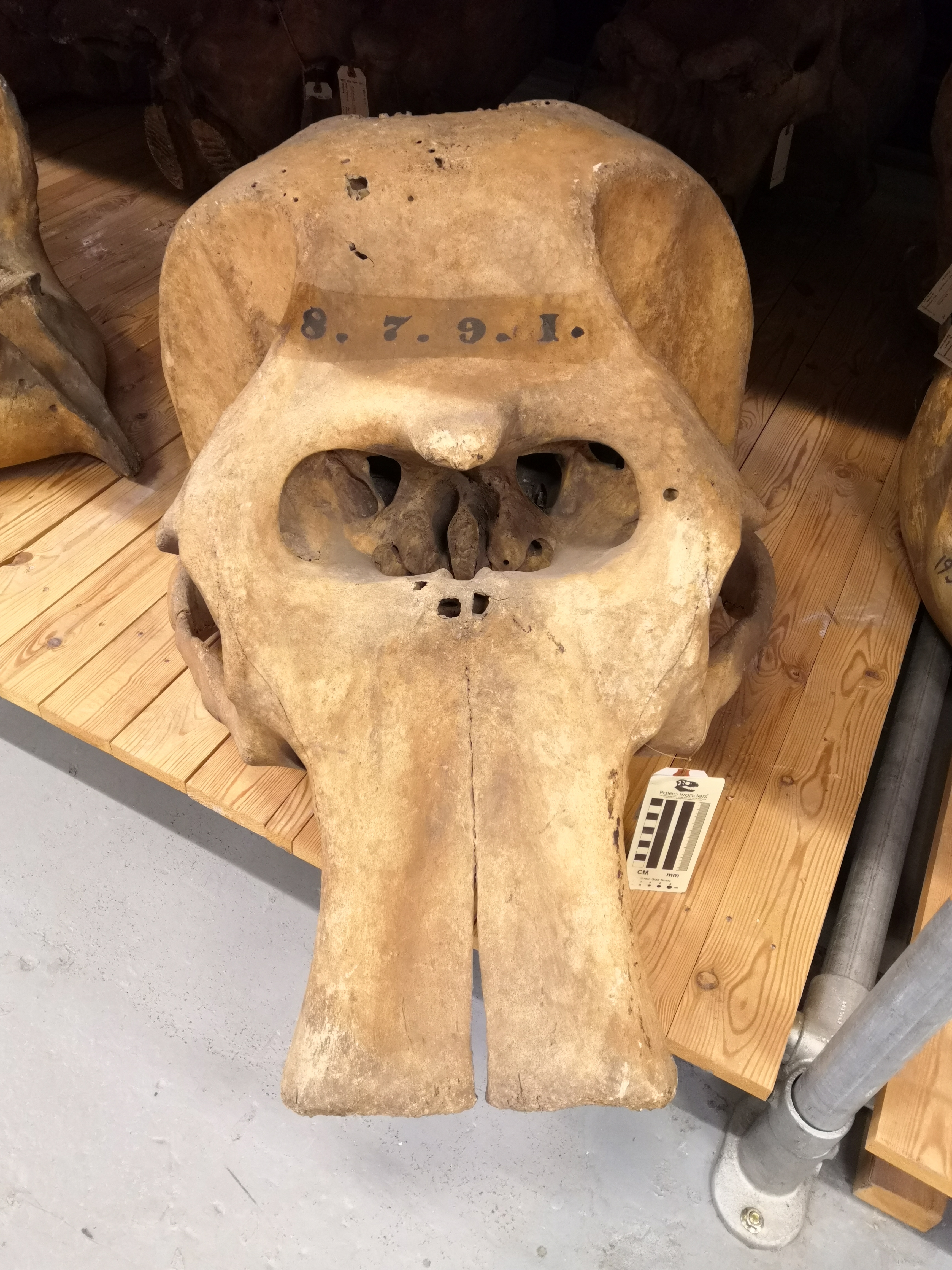
Combine this with genetic studies that also showed clear differences between the two, and bam – you’ve got yourself a confirmed subspecies.
It’s hoped that through this research and the classification of Bornean elephants as a subspecies, efforts to conserve them will ramp up.
“Conserving biodiversity means conserving natural variation at all levels – not only different species but also unique populations within species,” Professor Adrian Lister, a palaeobiologist at the NHM and member of the team that conducted the research, said in a statement sent to IFLScience.
“The inclusion of Bornean elephants on the Red List is pivotal in galvanizing conservation efforts and directing resources to areas of utmost importance,” added Dr Cheryl Cheah, a conservation ecologist with WWF-Malaysia.
And, as in many cases of conservation, protecting just one group of animals may well end up being beneficial on a much larger scale.
“Elephants are a keystone species, playing a crucial role in maintaining the health of rainforests,” said Lister. “By conserving these elephants, we’ll be protecting many other species and the broader ecosystem.”


 1
1