Nature
 PUBLISHED
 3
3




Between two of the sites currently hosting events in the Milan-Cortina Winter Olympics lies an immense dinosaur trackway only spotted five months ago. Unusually, the tracks date from the Triassic, the frequently overlooked first dinosaur age, yet remain remarkably well preserved.
In September 2025, Elio Della Ferrera visited the Fraele Valley in the Italian Alps to photograph wild animals. When seeking his subjects, Ferrera’s binoculars passed across an almost vertical slope, on which he noticed indentations, some up to 40 centimeters (16 inches) across. Ferrera was struck by the fact that some ran parallel to each other and decided to investigate.
When reaching the site, Ferrera realized he was looking at footprints, which must have once been made on horizontal ground, and rotated to near vertical as tectonic forces created the Alps ontain range. Some clearly show toe and claw marks. Having previously collaborated with paleontologist Cristiano Dal Sasso of the Milan Natural History Museum, Ferrara knew what to do. How many before him had noticed the prints, but didn’t report them, we will never know.
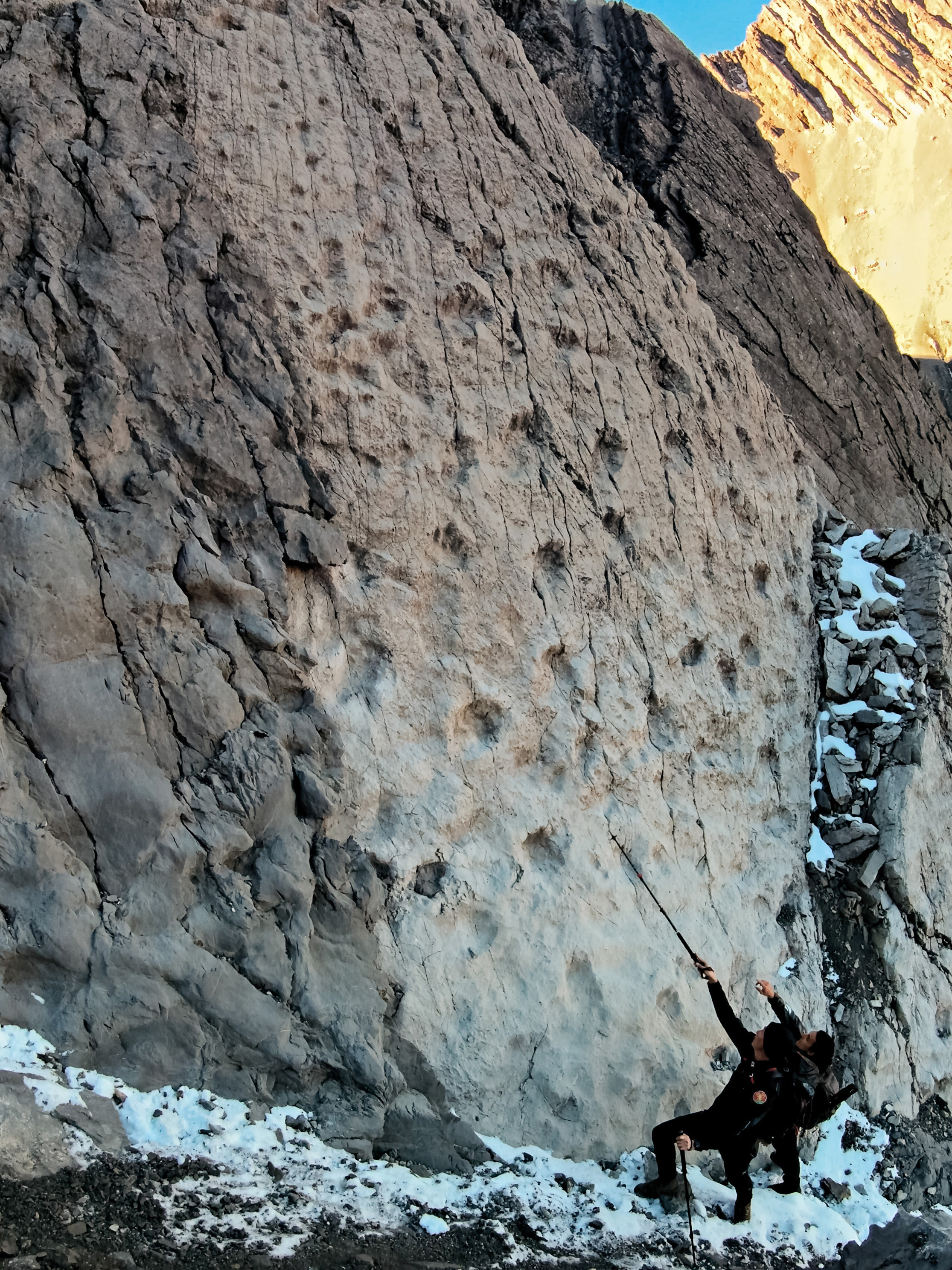
Immediately after receiving Ferrara’s photographs, Dal Sasso confirmed these were unreported dinosaur prints. Initial assessments were made by the scientific staff of Stelvio National Park, where the valley is located, with specialists called in to assist.
Science moves too slowly for papers to have been published identifying the site’s full scientific value yet, but the Winter Olympics provided too good an opportunity to miss to promote the discovery to the wider world.
The rocks in which the prints are seen have been identified as coming from the Upper Triassic, around 210 million years ago. Footprints of a similar age have been found in the Eastern Alps, but none made by dinosaurs have previously been found in Lombardy.
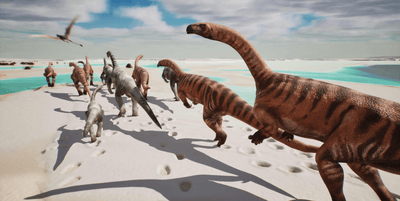
Thousands of prints are already exposed, and many more may still be trapped in the rocks. The density of prints – between four and six per square meter – indicates a large herd passed when conditions were right to hold the prints. Those who have done preliminary analysis of the site suspect this will prove one of the richest Triassic dinosaur trackways in the world.
The prints’ age places them before most famous dinosaurs, and it’s usually not possible to match a print to a species described based on bones and teeth. However, the prints do reveal that their makers walked on two legs, but rested with their front limbs on the ground.
This makes the trackmakers prosauropods, which, as their name suggests, were ancestors of favorites like Brontosaurus. Four distinctive prosauropod footprint types have been identified around the world, and while they can’t be matched to specific conventionally named species, they have been given their own names. Of these, the Fraele Valley prints most closely resemble those of Pseudotetrasauropus, but more analysis is required to determine if that is what these are, or if a fifth ichnospecies should be added to the scientific databases.
Although they had not achieved their descendants’ great size by the Triassic, prosauropods already had recognizable family features, particularly long necks and small heads. The forces of physics make bipedalism challenging for animals with too much weight to move, but the largest prosauropods, such as Plateosaurus engelhardti, could reach 10 meters (33 feet) long.
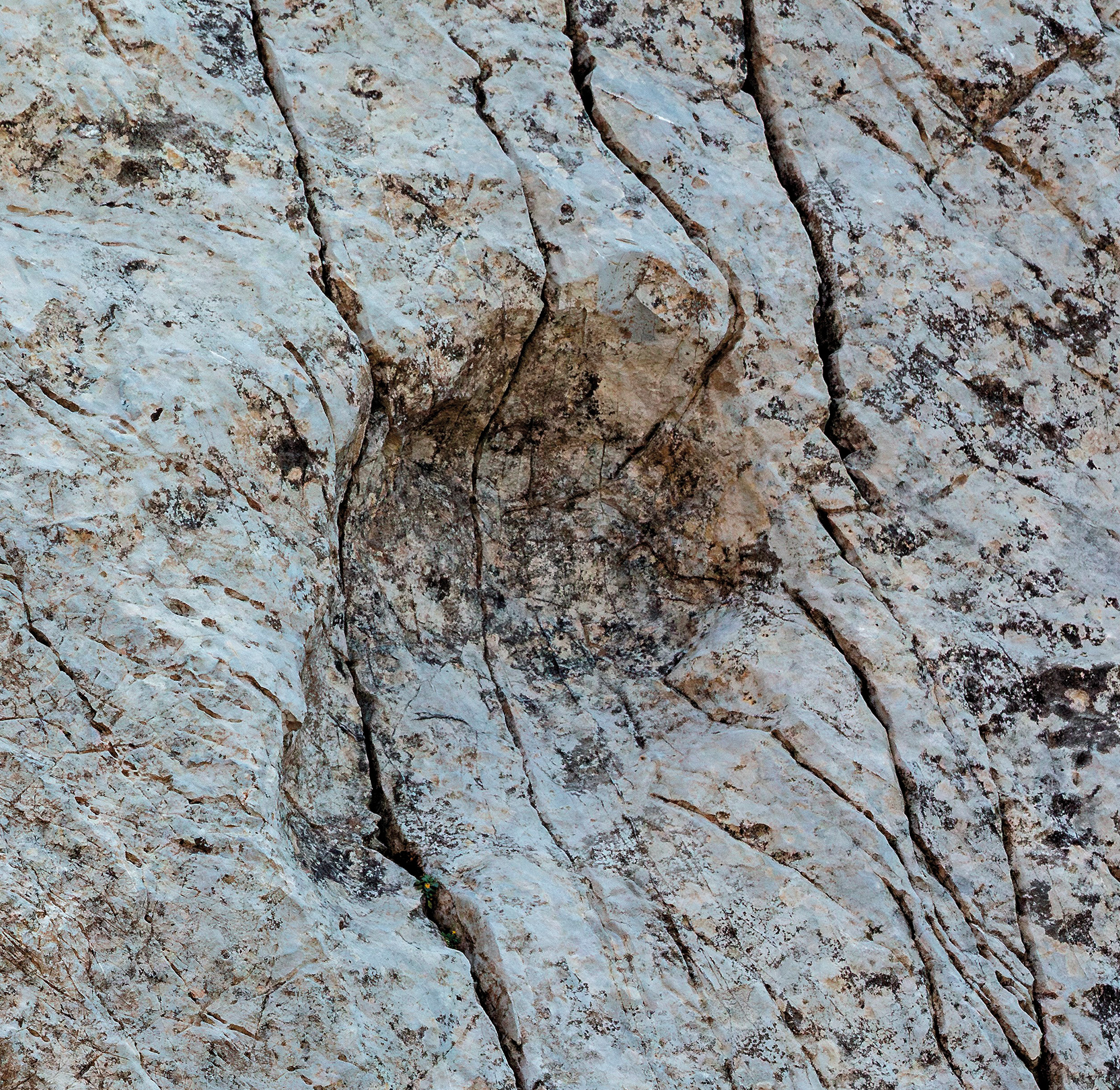
When the prints were made, the rocks that are now the southern Alps lay along the northern shore of the Tethys Ocean. The dinosaurs were probably crossing a vast tidal flat, subsequently covered by other sediments, pressed hard and twisted into mountains by the collision of the African and European plates. Recently, by geological standards, rain and ice have eroded away the covering layers, making the prints visible for the first time in more than 200 million years.
Paleontologists who assessed them consider the prints particularly important because they are the first dinosaur footprints in Italy north of the Insubric line, the eastern part of the border between the Adriatic and Eurasian plates.
“This place was full of dinosaurs; it is an immense scientific treasure. The parallel trackways are clear evidence of herds moving in synchronized fashion, and there are also traces of more complex behaviors, such as groups of animalsgathered in a circle, perhaps for defense,” Del Sasso said in a statement seen by IFLScience. “After thirty-five years of work, I would never have imagined finding myself before such a spectacular discovery, in the region where I live. Incredibly, even in Lombardy there are still unexplored places, remote in time and space.”
Local authorities are now referring to Fraele as the “Valley of the Dinosaurs”.
Meanwhile, Ferrera expressed the hope, “A discovery of this importance can stimulate reflection in all of us, highlighting how little we know about the places we live in: our home, our planet. This exceptional find can also represent a stimulus to adequately support research and dissemination on these topics.”