Nature
 PUBLISHED


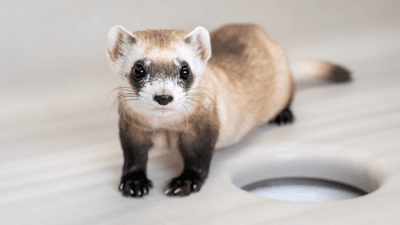


A landmark study has become the first to review the complete history of animal cloning, concluding that it is already a viable conservation tool, but one that's being held back by common misconceptions. Despite widespread beliefs about shortened lifespan and infertility, it found that of the 56 species and subspecies cloned to date, the overwhelming majority meet or exceed their natural lifespan and maintain the ability to reproduce (including some incredibly cute black-footed ferrets).
The analysis, led by wildlife conservation non-profit Revive & Restore, marks the most comprehensive analysis ever conducted on animal cloning. Looking back on the results, it’s their view that strategic investment in cloning could provide unique genetic diversity management capabilities, we’ve just got to give it a chance. And why not? Far from being an experimental technology from the future, cloning has already proven its value as a conservation tool.
“The birth of the first cloned Przewalski’s horse and black-footed ferret in 2020 were incredible moments, and little did we know the continued work in these programs would prove to be a turning point for the history of conservation cloning as a whole,” said study co-author Robert Wiese of North Carolina Museum of Natural Sciences in a statement. “This technology can benefit species in the present in ways no other tool can. We must move beyond one-off efforts.”

That animal cloning has largely centered around one-off efforts was one of the key factors the study identified as having held cloning technology back as a conservation tool. Limited case studies have given a false picture that animal cloning is exceptionally challenging. This puts potential stakeholders off from investing in the technology, meaning that case studies become more limited still due to lack of funds.
Animal cloning has also been dismissed as a way of producing infertile individuals with limited lifespans, but the review found this was far from the case. In reality, 90 percent of species analyzed were meeting or exceeding their natural life expectancy, and of those reporting fertility results, 95 percent were fertile.
“The history of cloning is surprisingly diverse and truly impressive” added Ben Novak, the paper’s lead author and Lead Scientist at Revive & Restore. “For years reviewers have looked at only a piece of the picture and decided that cloning isn’t ready for meaningful conservation, but the whole picture tells a different story – cloning is already being used for impactful conservation and could be explored for many more species.”
The study is published in the journal Animals.