Nature
 PUBLISHED


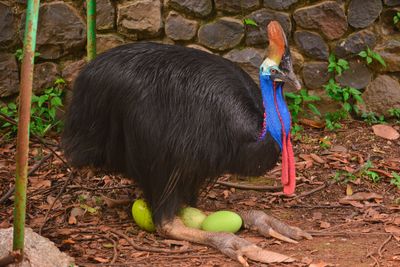


Cassowaries are widely regarded as one of the most dangerous birds on the planet with striking blue skin, enormous talons, and a pretty fearsome reputation. But among the headlines is another interesting fact: cassowary eggs are bright green, but why?
Southern cassowaries are the third-largest birds in the world behind ostriches and emus, standing around 1.5 to 2 meters tall (4.9-6.5 feet), with the females being larger than the males. There are actually three species, the northern (Casuarius unappendiculatus), southern (Casuarius casuarius), and dwarf (Casuarius bennetti) cassowaries, which inhabit parts of Australia and Papua New Guinea. The adults might have dark blue and black feathers, but the juveniles are striped brown and tan cuties with yellow legs. So how have these colors created a green egg?
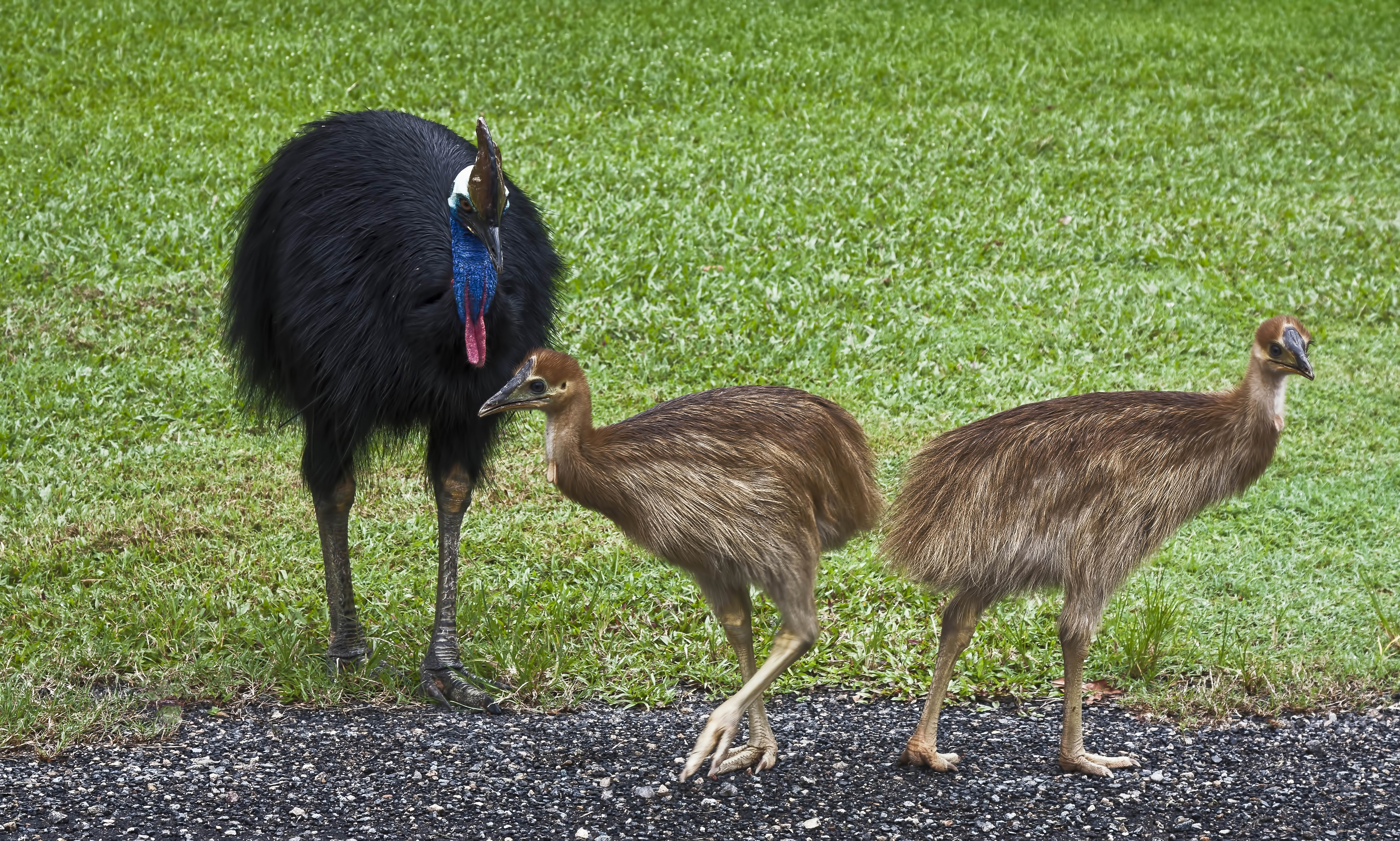
During the breeding season, between June and October, males and females will pair up and lay a clutch of up to three to five bright green eggs. Cassowaries nest on the ground, in thick foliage that they then scratch shallow areas into for laying their eggs; scientists even think their nesting behavior might be reminiscent of what the dinosaurs were doing to breed. These birds are frugivorous, feeding on fruits and fungi on the forest floor – in this way they spread seeds through the forest via their droppings, acting as important seed dispersers.
Their eggs are green because of a pigment called biliverdin that is often found in bird shells. Since they nest on the ground, the color is thought to be camouflage for the eggs against potential predators. These eggs can weigh 580 grams (1.2 pounds), roughly the same weight as 10 normal chicken eggs combined. The eggs measure around 16 by 10 centimeters (6.3 by 4.1 inches) and take around 50-60 days to hatch.
Interestingly, the female has almost nothing to do with the eggs once they have been laid. Instead, the male bird will take over the incubation and raise the chicks.
The most beautiful bird egg was once widely considered to be that of the great auk, a now-extinct flightless bird that had white eggs with an intricate scribble-like pattern all over them. Other notable eggs include those of the speckled brown elegant crested-tinamou, which also has glossy bright green eggs, though much smaller than those of the cassowary.
If weird eggs are more your thing, check out the forbidden creme caramel of the assassin bug, or crack open a thunder egg for a beautiful surprise.