Health and Medicine
 PUBLISHED


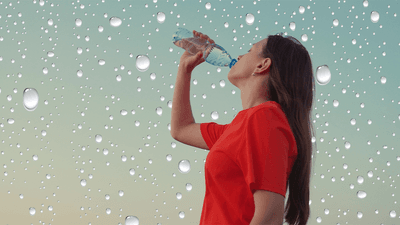


While we’re often told of the importance of water and drinking enough of it, like anything else that’s meant to be good for us, too much of it can be just as much a problem as too little. Guzzling down too much water can lead to water intoxication – and that can have some pretty nasty effects.
What is water intoxication?
Water intoxication is a rare condition caused by drinking too much water, to the point where it's more than the kidneys can get rid of by peeing it out.
The excess water dilutes the blood, reducing its concentration of important electrolytes like sodium, which is called hyponatremia. This causes water to move into the body’s cells – including brain cells – leading to swelling. As a result, it can increase pressure in the brain, which can affect how it works. While rare, this can ultimately be fatal.
There are some circumstances that may make water intoxication more likely. For example, endurance athletes both sweat a lot and drink a lot to avoid getting dehydrated; if they drink water without replenishing their electrolytes too, this might lead to overhydration.
People in the UK may also be familiar with the case of Leah Betts, a teenager who died as a result of water intoxication after taking the drug MDMA. Also known as ecstasy, this drug can cause overheating and sweating, with users sometimes drinking lots of water in an attempt to rehydrate. Not only might they accidentally drink too much, but MDMA can also cause urine retention, which increases the risk of water intoxication.
What are the symptoms of water intoxication?
Water intoxication might lead to a range of symptoms, including headache, dizziness, signs of altered mental status like confusion and disorientation, and fatigue, as well as bloating, nausea, and vomiting. Some people may experience swelling in their hands and feet, as well as effects on their muscles, such as weakness, pain, and cramping.
In particularly severe cases, or if left untreated, water intoxication can also lead to serious complications such as coma, seizures, or death. Though rare, such complications aren’t unheard of; in 2023, actress Brooke Shields had a seizure which she said was due to drinking too much water, which had lowered her sodium levels.
How is water intoxication treated?
The first step in treating water intoxication is to stop drinking water, at least until a medical professional advises otherwise. Healthcare professionals will also aim to find out the cause of the intoxication, such as if a patient has a medical condition or takes certain medication that makes water intoxication more likely – these can affect how they might go about treatment.
Generally, though, patients with hyponatremia are often quickly given an intravenous dose of hypertonic saline – a salty solution – to help bring their sodium levels back to normal.
Depending on the severity of the case, some people might start to feel better in just a few hours, while more severe cases could need a few days.
Can water intoxication be prevented?
How best to avoid water intoxication depends on the individual, which means that sticking to generalized figure-based guidelines like the whole “eight glasses a day” thing isn’t very helpful.
Varying circumstances – like how much someone has sweated that day, the weather, or certain health conditions – can all mean someone has to drink more or less water, which also means that there’s no set amount of water that causes water intoxication.
However, the general advice for healthy people is to listen to your body; drink when you’re thirsty, and stop when your thirst has been quenched. If you’re starting to feel sick, bloated, or get a headache after drinking, that can also be a good indicator to put the brakes on the water for a while. It’s worth keeping an eye on the color of your pee too; light yellow is good, but colorless might mean you’re overhydrated.
All “explainer” articles are confirmed by fact checkers to be correct at time of publishing. Text, images, and links may be edited, removed, or added to at a later date to keep information current.
The content of this article is not intended to be a substitute for professional medical advice, diagnosis, or treatment. Always seek the advice of qualified health providers with questions you may have regarding medical conditions.


 2
2