Nature
 PUBLISHED



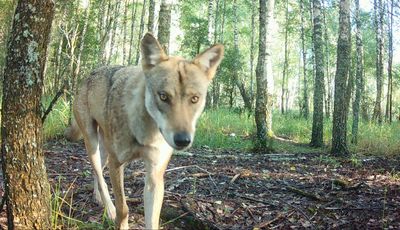


In the wake of the nuclear meltdown in 1986, the abandoned wasteland surrounding the Chornobyl Nuclear Power Plant turned into a haven for wildlife. But war has put that fragile balance to the test.
On February 24, 2022, the Chornobyl Exclusion Zone was captured by Russia in the very first stages of the Russian-Ukrainian conflict as troops invaded Ukraine from neighboring Belarus. However, they were gone by the end of March 2022, which allowed Ukrainian authorities to regain full control of the region.
This unique situation gave scientists a rare opportunity to closely observe the ecological impact of war in real time.
In recent years, a steady stream of studies has highlighted how the Chornobyl Exclusion Zone has become an "accidental Eden" for biodiversity after it was abandoned. Populations of red deer, lynx, moose, wild boar, wolves, and even brown bears bounced back within just a few decades, apparently thriving in a world free of meddling humans. However, these recent events shattered that peace.
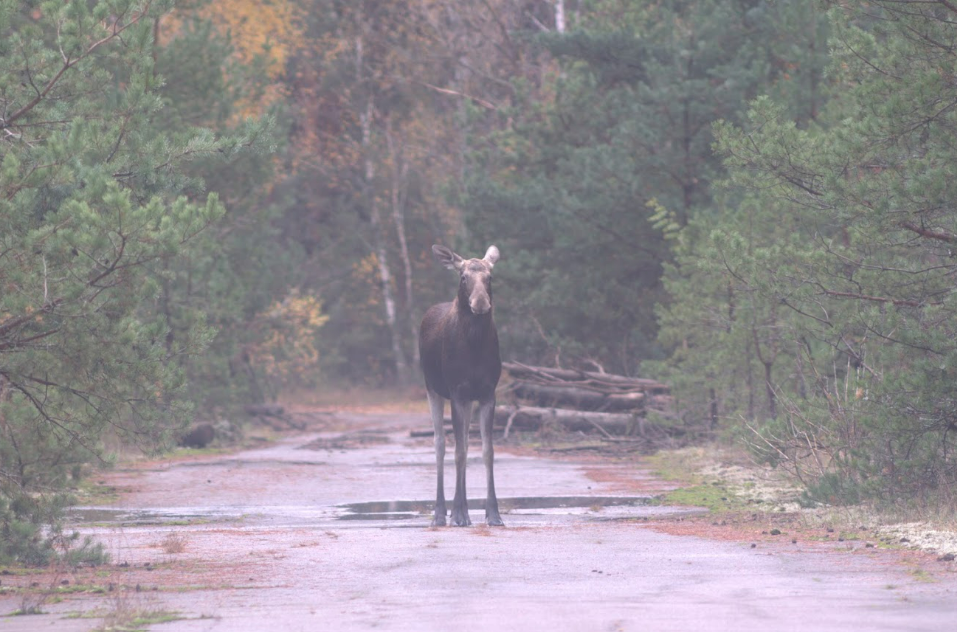
In a new study, a team led by Svitlana Kudrenko of the University of Freiburg sifted through hundreds of thousands of images captured in the Exclusion Zone by camera traps that kept rolling before, during, and after the presence of occupying troops.
This data was paired with daily surveys from people who continued to work or live in and around the exclusion zone, who reported how noisy and disruptive the conflict was on any given day.
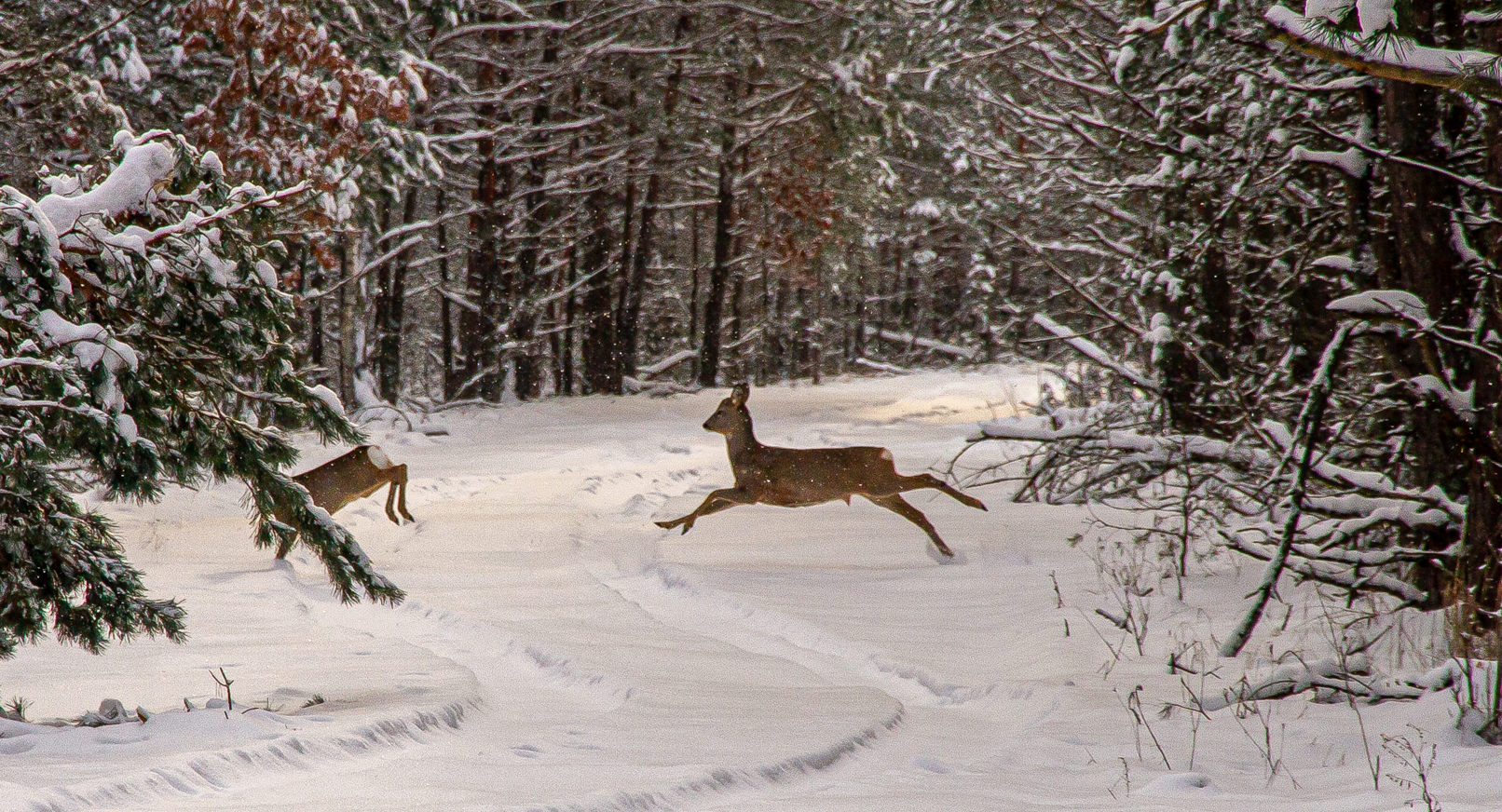
The presence of guns, tanks, and soldiers affected different species in strikingly different ways. As the intensity of armed conflict rose, sightings of red deer actually increased, while roe deer sightings declined, as though they had fled the area.
This divergence may reflect the two species' contrasting lifestyles, the researchers explain. Red deer live in herds in open landscapes, while roe deer are shy, more solitary, and forest-dwelling.
Unexpectedly, red deer and red foxes became less nocturnal during the occupation, shifting toward more daytime activity. The researchers suggest this may reflect animals reshuffling their schedules to avoid conflict-related disturbance, regardless of whether it struck during the day or night.
Wild boar and raccoon dogs tended to avoid areas near human infrastructure regardless of conflict intensity, while foxes and lynx were actually drawn closer to these sites when things got hot. It's not entirely clear why, but the researchers speculate these animals may have come to associate such sites with food.
While the effects varied widely from species to species, it's clear that war leaves deep imprints on animal behavior, one that extends far beyond the irradiated wastelands of Chornobyl to wherever violence unfolds.
Another study published earlier this year examined hundreds of dogs living across Ukraine, some close to the conflict and others in safer areas. At the population level, dogs living in war-affected regions tended to have smaller bodies, pointier ears, and longer snouts than those in the safer areas.
It appeared that natural selection was favoring so-called "wild-type" traits — features more commonly associated with their wolf ancestors — under the harsh, unstable conditions of war.
Whether the relatively brief blip of unrest at the Chornobyl Exclusion Zone will shift animal populations at a genetic level over the long term remains to be seen, but it's clear the conflict certainly gave a shake-up to the ecosystem.
The new study is published in the journal Science.