Nature
 PUBLISHED


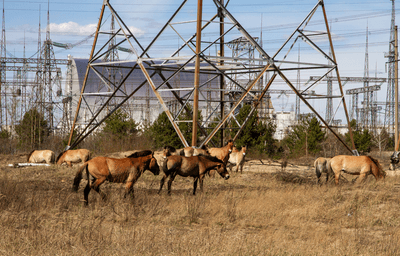


Forty years ago, the Chornobyl Nuclear Power Plant blew up in disastrous calamity, forcing the evacuation of 120,000 people from their homes in northern Ukraine and southeastern Belarus. It was an ecological disaster — at least for a short time. In the wake of the catastrophe, and in the absence of meddling humans, the zone around the power plant's ruins has seen an amazing resurgence of wildlife, including a number of extremely rare species.
In a new study, scientists use camera traps to compare how wildlife in the Chornobyl Exclusion Zone (CEZ) is faring against the neighbouring Drevlianskyi Nature Reserve and nearby unprotected areas.
The CEZ had the most wildlife by a long shot, including the strongest variety of species and the highest rates of animals living there, followed by the nature reserve, then the unprotected areas.
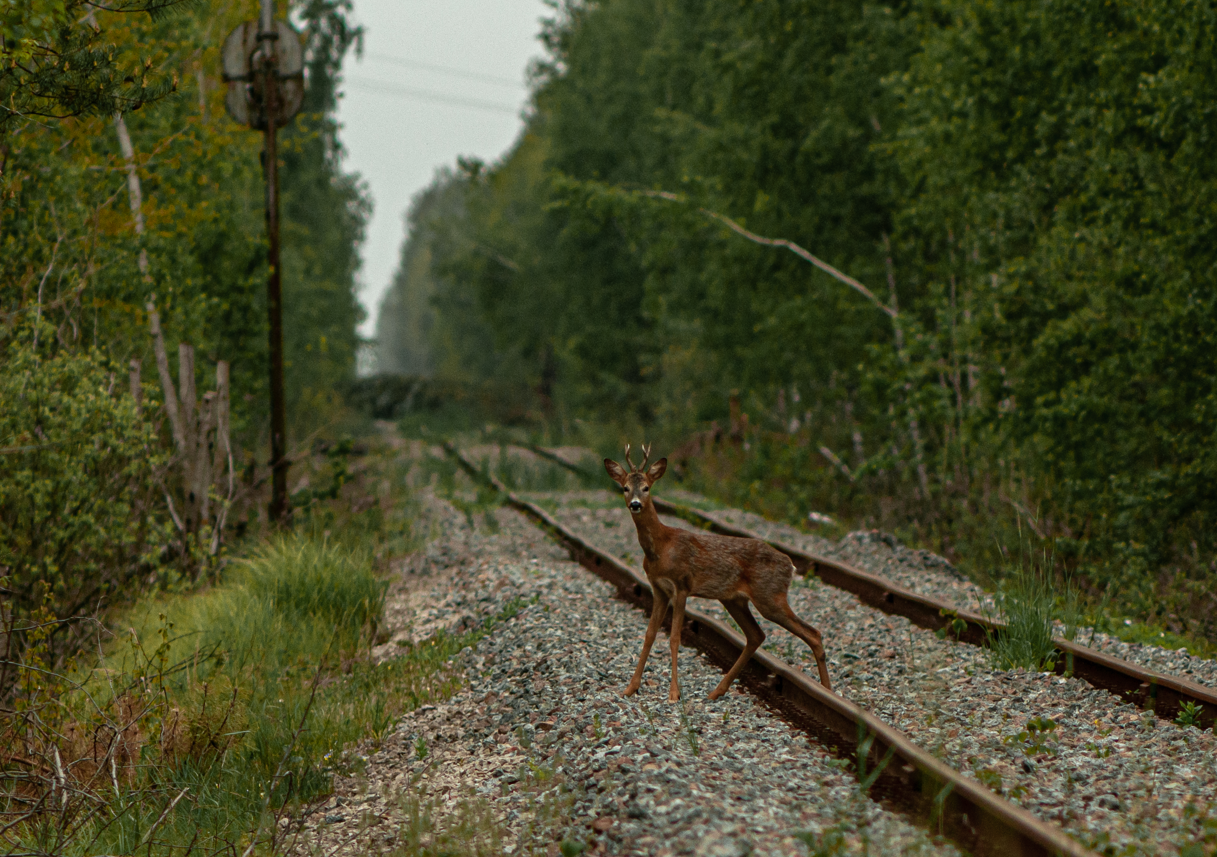
What was most surprising was that the Chornobyl wastelands had especially encouraged the recovery of rarer animals, including Przewalski's horses, lynx, moose, red deer, raccoon dogs, and brown bears. Meanwhile, more common, highly adaptable species like red foxes did not bounce back quite as expected.
“I was surprised that overall species diversity was lower in nature reserves compared to the Chornobyl Exclusion Zone, even though nature reserves have strict protection management. I also expected higher numbers of observations for red fox as foxes are a highly adaptable species,” assistant professor Svitlana Kudrenko, lead study author and Ukrainian ecologist, based at the University of Freiburg, told IFLScience.
“And indeed, fox detection values were not associated with habitat quality, such as distance to the nearest road or human presence detected at camera trap sites,” she added.
The Przewalski's horses are a particularly interesting example. Once extinct in the wild, this rare and endangered wild horse was reintroduced to parts of Ukraine in the late 1990s. The researchers' camera traps managed to capture the species over 1,000 times in the CEZ, but not a single individual was spotted outside the region.
The team suspects the horses’ comeback had been given a boost following a recent ecological shake-up.
“We conducted fieldwork in 2020 to 2021, right after massive forest fires in the Chornobyl Exclusion Zone. However, the lush vegetation that emerged after the fire on the forest floor attracted ungulates, including the Przewalski's horse,” said Kudrenko.
Likewise, a handful of images captured brown bears within the zone, but none outside. Red deer were photographed thousands of times in the CEZ, but just a few hundred times in the nature reserve and zero times elsewhere.

But what about the radiation, you might say? This recent study didn’t track the effects of radiological contamination, but Kudrenko pointed to previous research from 2016 that showed the whereabouts of mammals in the CEZ was not associated with radiation level.
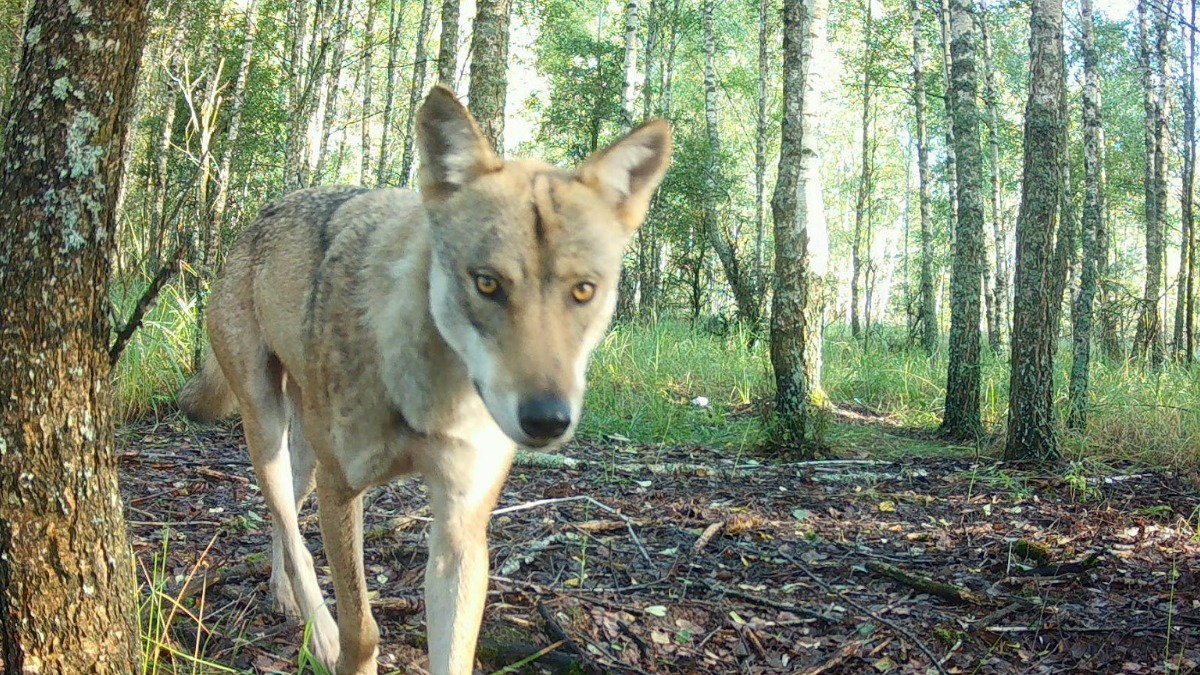
Some animals even appear to be adapting to the harsh environment. A 2024 research project indicated that gray wolves in the CEZ had altered immune systems, similar to those of human patients undergoing radiotherapy, and may have developed protective mutations that increase their odds of surviving cancer.
While the situation in Chornobyl is unique, it does provide some valuable lessons for ecologists. It shows that nature reserves are most effective when they are large enough for animals to roam freely, connected to one another rather than isolated, and actively enforced so that humans are genuinely kept out, not just on paper.
Furthermore, the team says their paper highlights the need to keep monitoring wildlife areas, even when conditions make it difficult or dangerous to do so.
“Accurate and systematic wildlife research is vital for effective wildlife management. Lowering research standards and requirements for complicated areas is very tempting, but it should be avoided as it will later mislead the management. Our study, like many others, provided evidence that spacious protected areas are vital for long-term survival of rare species,” concluded Kudrenko.
The new study is published in the journal Proceedings of the Royal Society B.