


 Nature
 PUBLISHED



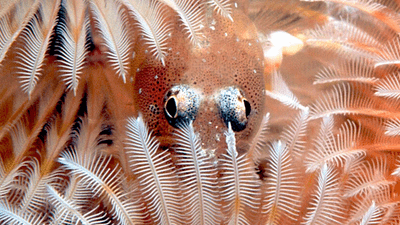


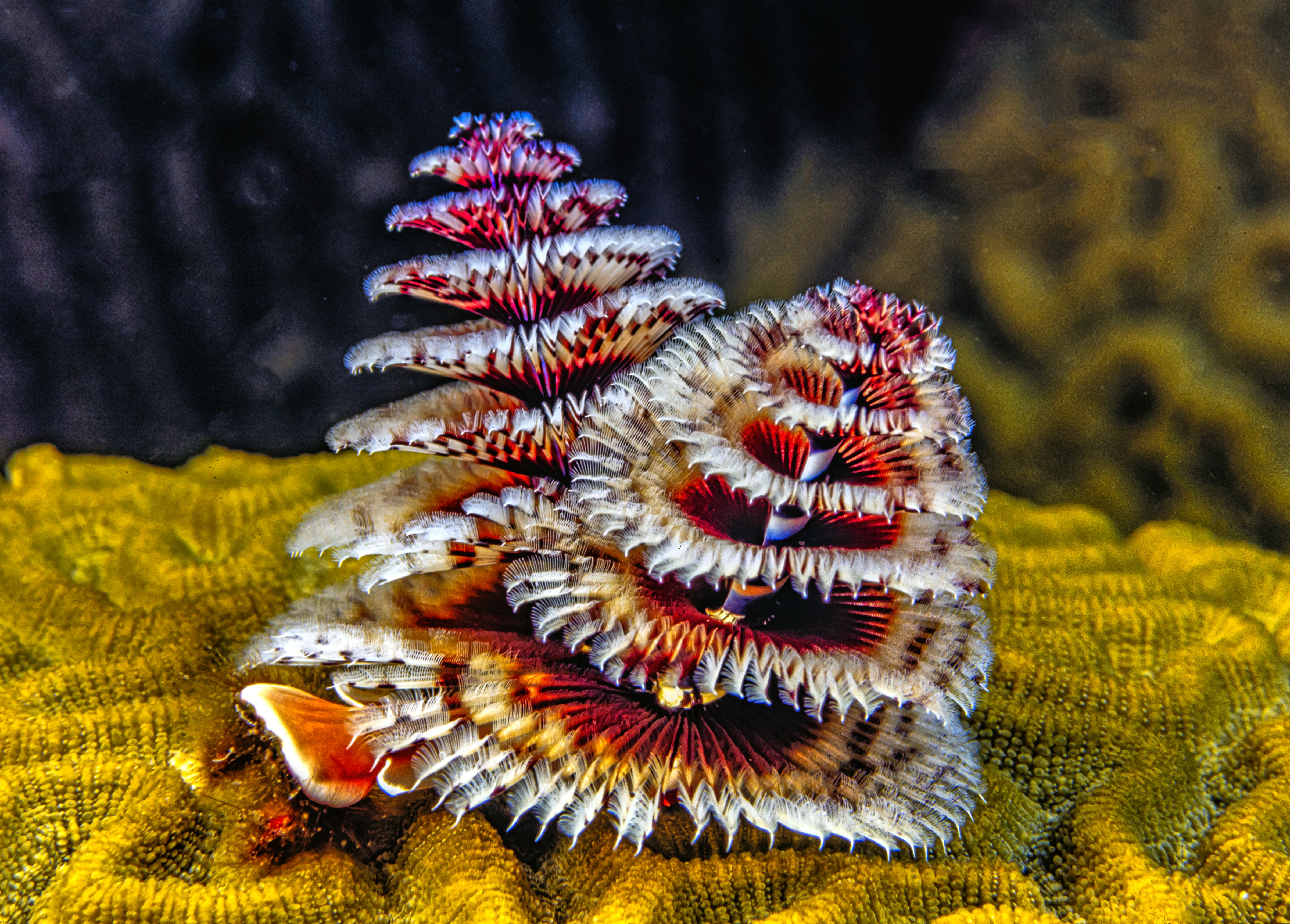
What’s your house made of? Wood, brick, cement or even something totally different? For the residents of Earth’s oceans their homes could be found in rocky crevices, coral reefs or even within other living organisms. For some tiny fish in the Caribbean their homes are made of Christmas tree worms.
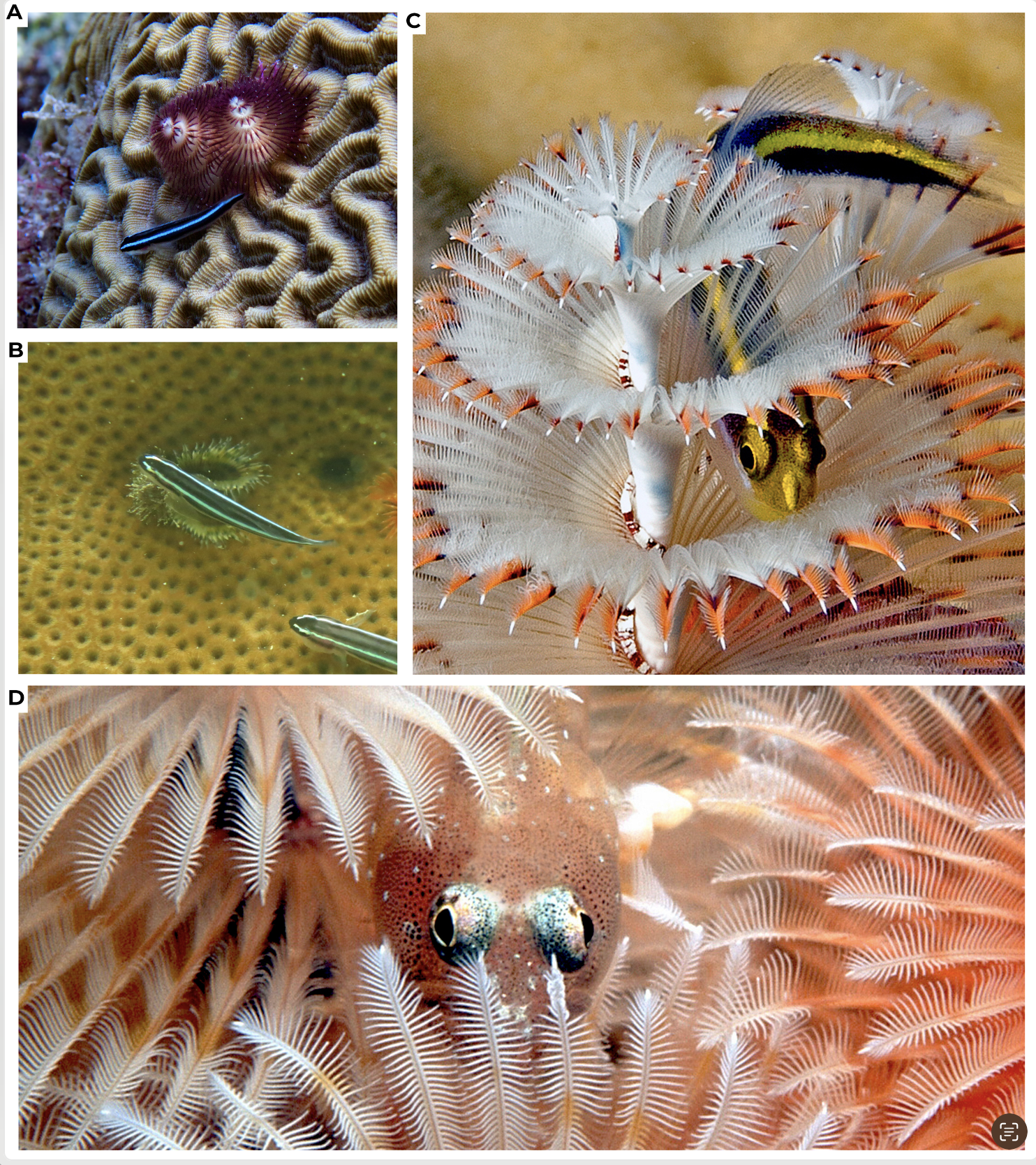
This is the first time that a relationship has been found between small coral reef fish called gobies and both the Caribbean Christmas tree worm (Spirobranchus giganteus) and the star horseshoe worm (Pomatostegus stellatus).
That's because typically Christmas tree worms are very skittish, and that's not a particularly sought-after quality in a good home base.
“It may represent a widespread ecological phenomenon that scientists have simply overlooked, and suggests that there are potentially many micro interactions that remain undocumented,” said Morgan Bennett-Smith, a PhD candidate in Boston University Marine Evolutionary Ecology Laboratory, in a statement.
“Coral reefs are host to various forms of life and observing these small interactions could unveil new discoveries of how coral reef ecosystems function.”
To witness these interactions, the team conducted underwater surveys during which the divers recorded areas that had only neon gobies in the Elacatinus genus, only Christmas tree worms, both neon gobies and Christmas tree worms, or neither. If both species were seen, then a 10-minute-long observation period began as the researchers looked for worm-goby interactions.
"This study started because divers noticed something unusual and asked questions," remarked Bennett-Smith. "The fact that we were able to connect observations from Papua New Guinea, Belize, and archival photographs from Bonaire highlights that many hidden interactions on coral reefs are waiting to be discovered.”
“In total, surveys revealed 29 coral colonies with Elacatinus spp., 54 with Christmas tree worms, 12 with both Elacatinus spp. and Christmas tree worms, and 1513 with neither Elacatinus spp. nor Christmas tree worms,” explain the authors in their paper.
Where gobies and worms co-occurred, the gobies touched the worms in 25 percent of interactions without triggering a withdrawal response. The gobies were often seen with their tails or lower bodies in direct contact with the worm's frilly, fan-like tentacles known as radioles.
The neon gobies and Christmas tree worms weren't the only ones getting in on the action, though.
A similar relationship was spotted between the star horseshoe worm and Caribbean neon goby. Researchers in different regions have also noticed the relationship between small reef fish and these worms, and now it's been confirmed off the coast of Belize.
The team says that more work is needed to look into whether the relationship is beneficial to both the worms and fish. The researchers are considering if the gobies might be acting as kleptoparasites. This is where one party is using the other by, for example, helping themselves to prey from the worm’s feeding flow.
Equally, the fish could benefit in a commensal relationship that does not hurt the worms but neither does it help them, since the worms provide the gobies with camouflage. They suggest setting up controlled laboratory experiments to further explore some of these questions.
The paper is published in Symbiosis.


 1
1