Nature
 PUBLISHED


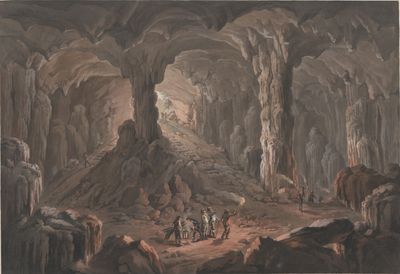


Tourists have visited the Vilenica Cave since the Age of Enlightenment and, nearly 400 years later, it continues to draw in geology-loving gawkers from around the planet.
The Vilenica Cave is located in southwestern Slovenia amid the Karst Plateau, an area of vast caverns that stretches over the border to northeastern Italy. It’s one of the 6,000 known and explored caves in this karst region, which covers 27 percent of Slovenia.
Karst is a type of landscape found across the world that’s synonymous with dramatic sinkholes, sprawling cave systems, and subterranean burrows.
This dramatic terrain is sculpted by subtle geochemical processes over many millions of years. As rain passes through the atmosphere, it absorbs carbon dioxide from the air to form a mild carbonic acid. When rainfall hits the surface, the slightly acidic water seeps into the ground, slowly dissolving soluble carbonate rocks like limestone and carving out the gaping, hollowed features that define the karst environment.
.jpg "The map of the cave in Vilenica, watercolour on paper.")
This part of Europe is especially prone to this process because it sits upon very thick layers of Mesozoic limestone laid down in the Triassic, Jurassic, and Cretaceous. Unlike regions where rock layers are thin or interrupted by insoluble sediment, the Karst Plateau features deep, continuous beds of carbonate rock. Together with abundant rainfall and persistent groundwater, they're the perfect conditions to allow caves to run deep and far.
The Vilenica Cave runs in a winding path for around 1,200 meters (3,937 feet) long in total, tunneling around 191 meters (626 feet) below the surface. Through the trail, it features several large “halls,” and countless stalactites and stalagmites, the tallest of which is over 20.3 meters (66 feet) tall. Many of the cave walls have a distinct reddish tone, which is the result of iron oxide.
Copper Age pottery has been unearthed inside the Vilenica Cave, suggesting that people have visited it since prehistoric times. More recently, people first started formally visiting the cave in 1633, making it one of the oldest known “show caves” in Europe. Over the centuries, it has welcomed all manner of emperors, kings, naturalists, poets, and artists, not to mention thousands of tourists.
In just the past few years, it has been assigned as an EU-funded geopark, known as GeoKarst, designed to reinvigorate interest in the region’s unique geological heritage and protect its future.