Nature
 PUBLISHED
 3
3


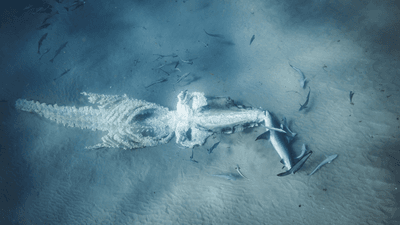


Dealing with dead whales might be about to change thanks to a study that’s highlighted the sustainable, cultural, and ecosystem benefits of leaning on nature to get rid of the bodies. Not only has it revealed that we can forecast where they might turn up with “surprisingly high accuracy,” but the alternative solution can keep whales’ nutrients in the marine ecosystem and off of our cars – something previous disposal methods have failed to achieve.
Who could forget the great Oregon Whale Explosion of 1970? Back in 2020, we got to witness it in glorious 4K when the Oregon Historical Society celebrated its 50th anniversary by releasing footage of the frankly baffling event.
When the highway patrol was tasked with disposing of a beached sperm whale, they called the Navy and were informed the best course of action was to blow it up. Many flocked to the beach to witness the bloody spectacle, but left with more than just a few gory photos as cars were destroyed by giant falling chunks of dead whale.
It seems evident, then, that blowing up carcasses isn’t the way to go, but leaving enormous corpses to rot – and possibly explode of their own volition – isn’t ideal when members of the public are around. So, what else?
A chance encounter with a 14-meter female humpback whale offered scientists led by Dr Olaf Meynecke, from Griffith University’s Whales and Climate Research Program, an opportunity to work that out. It’s thought a ship strike brought the whale’s life to a premature end back in July 2023, and so they intercepted the remains before they washed up on the shore.
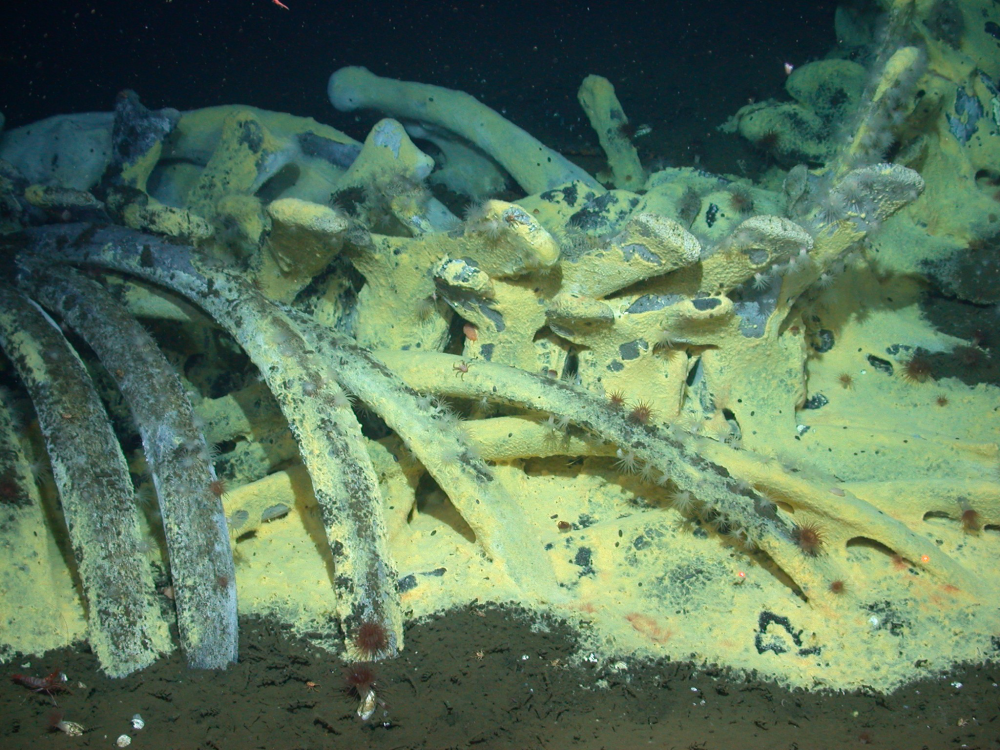
Instead, they repositioned it 30 kilometers (18.6 miles) out to sea and attached a satellite tag that could tell them where it went during the six days it drifted before sinking. It was the first study of its kind to track the movements of whale remains, and proved to be an efficient way to keep the whale away from any beaches until it was ready to become whale fall – known to be a big event for bottom-dwelling scavengers.
"As we’ve seen more and more whales stranding on Australian beaches in past years, the effective, safe, and culturally sensitive removal of whale remains near or on public beaches has become a major issue,” said Meynecke in a statement. “Our study shows that forecasting of where whale remains might end up when floating at sea is possible with surprisingly high accuracy.”
At present, there are seven key ways of disposing of whale carcasses:
- Move to landfill
- Transport to a facility that can break them down to by-products
- Composting
- Burial
- Natural decomposition where they beached
- Sinking the remains
- Using explosives to break them down
However, none of these are a perfect solution as they are all either costly, logistically complex, or – as we saw with the Oregon incident – not especially safe. It seems, then, that simply towing the whales out to sea could provide a simple solution with multiple benefits.
“Perished whales provide a substantial nutrient source for marine ecosystems, and strategically placing whale remains offshore can enhance nutrient cycling and foster biodiversity, contribute to carbon removal and marine floor enrichment for up to seven years,” Meynecke added. “Their gradual decomposition sustains scavengers and detritivores, and support microbial communities and deep-sea organisms.”
“The best strategy for handling whale remains depends on multiple factors and should be decided on a case-by-case basis. Offshore disposal can be an ethical, cost-effective, and safe option if managed appropriately.”
The study is published in the Journal of Marine Science and Engineering.