


 Nature
 PUBLISHED


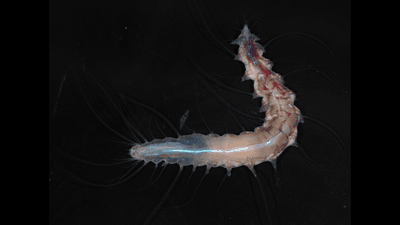


Scientists are celebrating the discovery of 1,121 species in a single year, marking a 54 percent jump in annual identification. Over the course of 13 expeditions, teams led by The Nippon Foundation-Nekton Ocean Census explored the deep sea of Antarctica to volcanic sea mounts off Japan and the waters of Comoros.
Along the way they discovered new-to-science species from the shallows to depths of up to 6,575 meters (21,572 feet). It marks an unprecedented glimpse at some of Earth’s most extreme and unexplored environments, including a few real oddities.
The polychaete worm gains physical protection from predators by living safely within the sharp, spiky glass silica spines that make up the sponge’s skeletal architecture.
Dr Michelle Taylor
"I’m really intrigued by the unique animal relationships that several of our new species discoveries have highlighted,” said Head of Science at Ocean Census Dr Michelle Taylor to IFLScience. “A particular favorite of mine is a newly discovered symbiotic polychaete worm that lives entirely inside its own 'glass castle' – a deep-sea sponge.”
“It is a wonderful, complex interaction to think about: the polychaete worm gains physical protection from predators by living safely within the sharp, spiky glass silica spines that make up the sponge’s skeletal architecture. In return, the sponge gains nutrients directly from the worm's presence. It is truly a match made in deep-sea heaven."
News of that match-made worm broke with another breakthrough study revealing a five-fold increase in known biodiversity in the Nankai Trough – one of Japan’s most geologically active deep-sea regions. Before, we knew of just 14 animal species inhabiting these cold seeps, but the new census documented 80 including mollusks, annelids, arthropods, nemerteans, echinoderms, cnidarians, and a bryozoan.
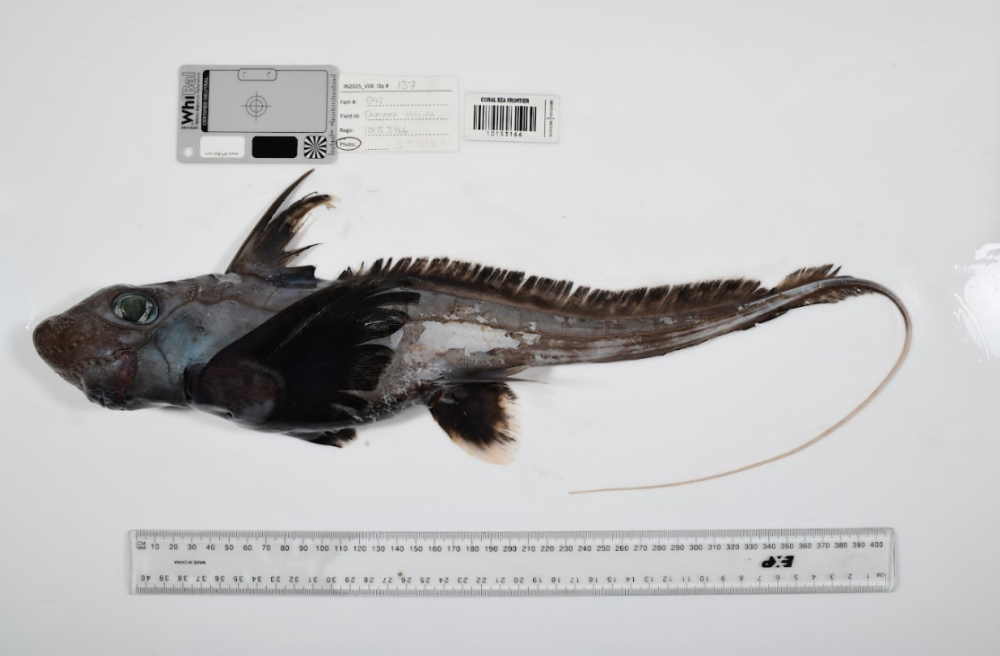
Other notable discoveries over the last year include a new species of deep-sea ghost shark in Coral Sea Marine Park, Australia. Also known as chimaeras, these ancient fish diverged from sharks and rays around 400 million years ago – predating the dinosaurs.
This new-to-science species was discovered by taxonomist Dr William White during a CSIRO expedition off the coast of Queensland. Living at a depth of over 800 meters (2,625 feet), it’s rare even for scientists to see these creatures, and Ocean Census is eager to share what it's discovered with the rest of the world.
Expeditions are a crucial first step in gathering species data.
Dr Michelle Taylor
"These targeted expeditions are vital in allowing us to explore and document life in some of the least sampled, or never sampled, regions in the ocean,” said Taylor. “They also help drive the curiosity and interest of the public, who may never have seen the incredible diversity of life in our marine environments, which is especially true in the deep sea.”
“Expeditions are a crucial first step in gathering species data. Combined with species discovery workshops and our award programme, they drive the data that feeds our open-access digital platform, Ocean Census NOVA.”
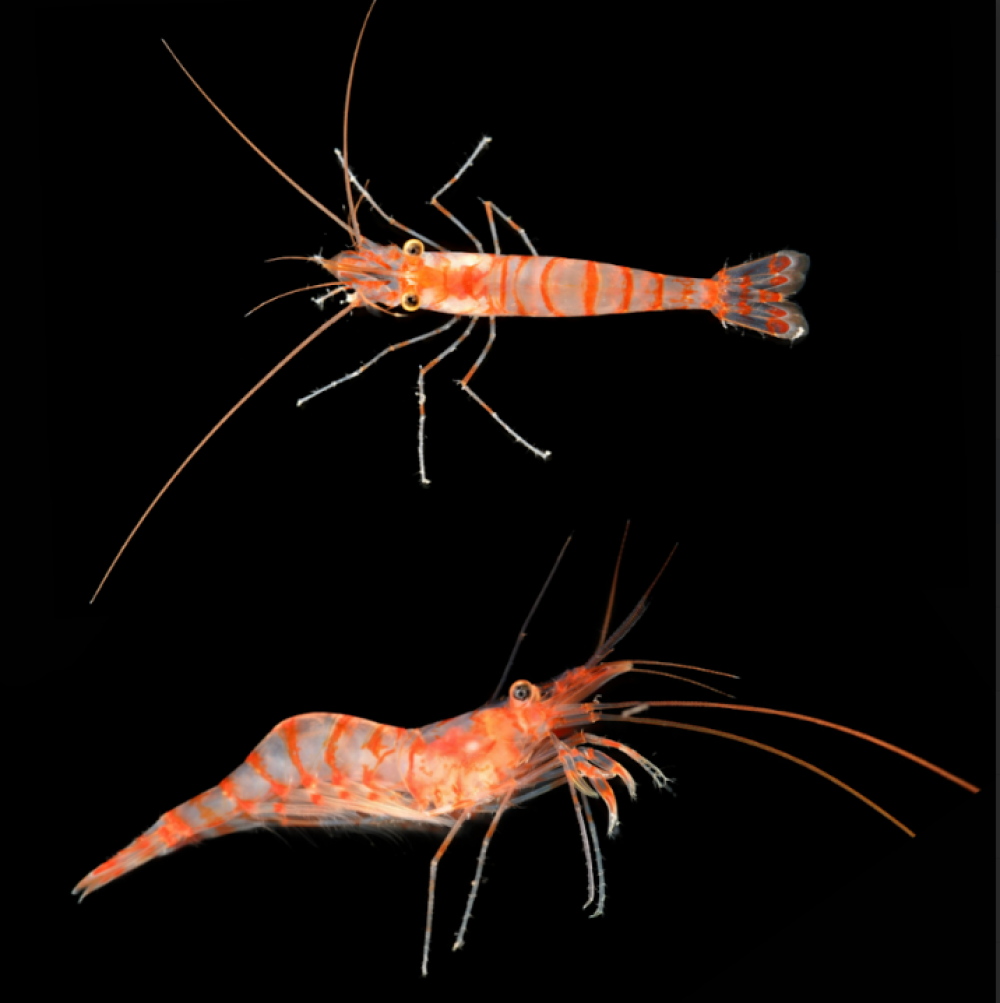
From some of the ocean’s most extreme environments, Ocean Census also led scientists to a sea cave in Marseille where they discovered a striking new species of shrimp at a depth of 15 to 35 meters (49 to 115 feet). The shrimp is a vibrant reminder how much there is still to be discovered even on our coastlines.
It’s estimated that some 91 percent of ocean species remain undiscovered. As such, the mission to meet these mysterious creatures is one of great interest and some urgency. After all, you can’t protect something until you know it’s there.
These expeditions are undertaken across the backdrop of a stark race against time.
Dr Michelle Taylor
“Historically, the decades-long lag between specimen collection and description meant vital biodiversity remained functionally invisible to environmental managers,” said Taylor. “By utilising expeditions to feed NOVA, we create rapid, robust, expert-driven data that can immediately inform national policy, international law, and critical ocean governance frameworks like the landmark BBNJ Agreement and the 30x30 targets.”
“These expeditions are undertaken across the backdrop of a stark race against time. While our results highlight triumphs in species discovery acceleration – including a 54 percent jump in annual identification, we still face the real risk that some biodiversity is lost before it can ever be protected, studied, or even identified."


 1
1