Nature
 PUBLISHED
 1
1


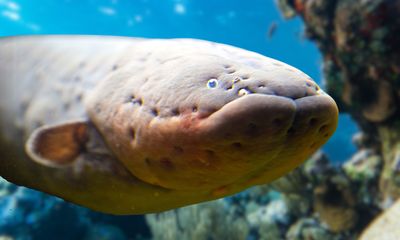


Pain might be the first thing you associate with a shock from an electric eel, but it turns out there could be more to it than that. A new study has found that electric eels can discharge enough electricity that nearby fish larvae can end up with genetic modifications.
The rest of this article is behind a paywall. Please sign in or subscribe to access the full content.This is thought to be the first time this mechanism of gene transfer, electroporation, has been seen in nature. Used frequently in the lab, electroporation is often used to transform bacteria and yeast; the electric field opens up tiny pores in cell membranes, which allows DNA to move in.
Researchers theorized that in a natural setting where electricity is present, like a river with electric eels, it could affect the cells and therefore DNA of nearby organisms.
"I realized that electric eels in the Amazon River could well act as a power source, organisms living in the surrounding area could act as recipient cells, and environmental DNA fragments released into the water would become foreign genes, causing genetic recombination in the surrounding organisms because of electric discharge,” explained Atsuo Iida, who co-led the research, in a statement.
To test their hypothesis, the team placed young zebrafish in a tank of water with a DNA solution. To ensure they could detect if this DNA was taken up, it encoded green fluorescent protein (GFP), a protein that is pretty much what it says on the tin when observed under a microscope. They then introduced an electric eel to the tank and, by giving it a bit of food, caused it to discharge electricity.
Analyzing the zebrafish larvae under the microscope revealed that 5 percent of them showed green fluorescence, suggesting the DNA solution in the water had been taken up by the fish. The researchers attributed this to the electricity produced by the eels and believe this demonstrates they could affect the genetics of nearby organisms in their natural environment, too.

“This indicates that the discharge from the electric eel promoted gene transfer to the cells, even though eels have different shapes of pulse and unstable voltage compared to machines usually used in electroporation,” said Iida. "Electric eels and other organisms that generate electricity could affect genetic modification in nature."
Iida also expressed hope that this was only the beginning of electric field research in living organisms. “I believe that attempts to discover new biological phenomena based on such 'unexpected' and 'outside-the-box' ideas will enlighten the world about the complexities of living organisms and trigger breakthroughs in the future,” the researcher concluded.
The study is published in PeerJ.