Nature
 PUBLISHED


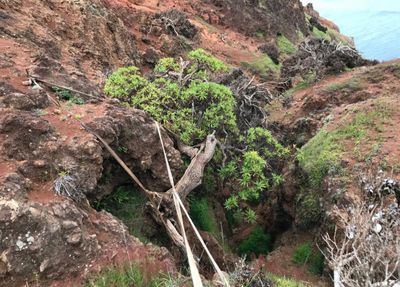


On the edge of a cliff, on an island in the middle of the Pacific Ocean 760 kilometers (472 miles) from the western coast of Chile, grows the last of its kind.
Thought to be at least 150 years old, so vulnerable is the Dendroseris neriifolia tree growing on Robinson Crusoe Island that it has been tied to the cliff face with straps. Now, scientists have managed to collect a handful of seeds with the hope of rescuing the species from extinction.
The extreme isolation of the islands in the Juan Fernández Archipelago has resulted in an incredible array of plants found nowhere else on Earth. Out of around 360 species of plants found in the archipelago, about 60 percent are endemic.
This includes all 11 species within the Dendroseris genus. Known as cabbage trees, they are the only plants in the world known to feature a curious "tree-daisy" form in which daisy-like flowers sit upon a woody, branching trunk.
Out of these species, six are classified as Endangered, four as Critically Endangered, and one as Extinct in the Wild.
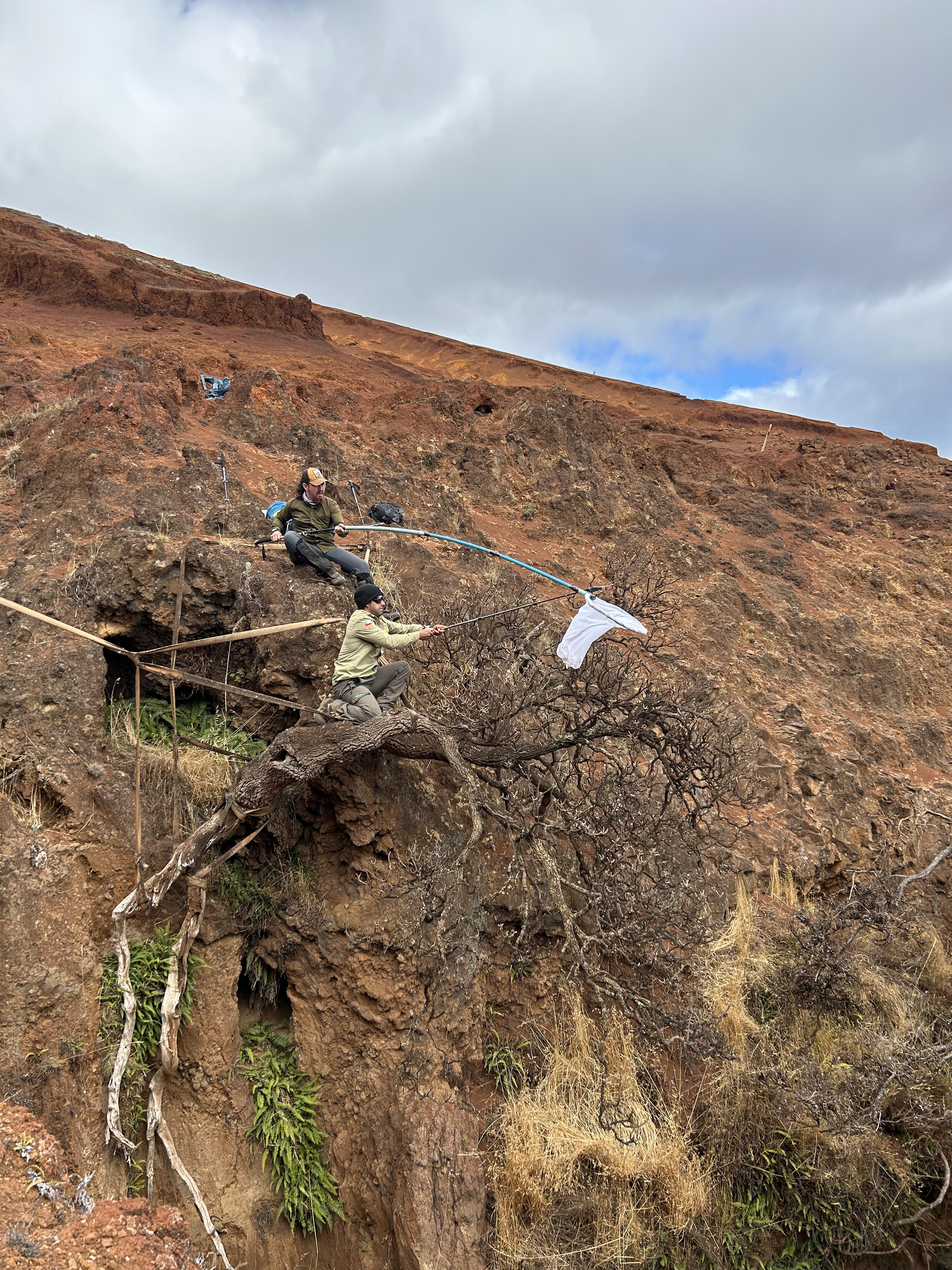
This includes the poor Dendroseris neriifolia. Once found growing in the ravines and low-lying areas of Robinson Crusoe Island, by the 1980s its numbers had been dramatically reduced to just eight individuals.
This prompted reintroduction efforts in the 2000s, but by 2017 invasive species had spread into the region where the plants were growing, eventually leaving just the one, solitary cabbage tree literally clinging to survival.
There is, however, a little glimmer of hope. Scientists managed to collect 400 seeds from the tree. Of these, 29 were thought to have been healthy enough and sent to the Royal Botanic Gardens, Kew in the UK.
The first thing the researchers needed to do was to check the viability of the seeds. This is because the incredible isolation and genetic bottleneck the trees have gone through has resulted in up to 90 percent of the Dendroseri seeds being non-viable.
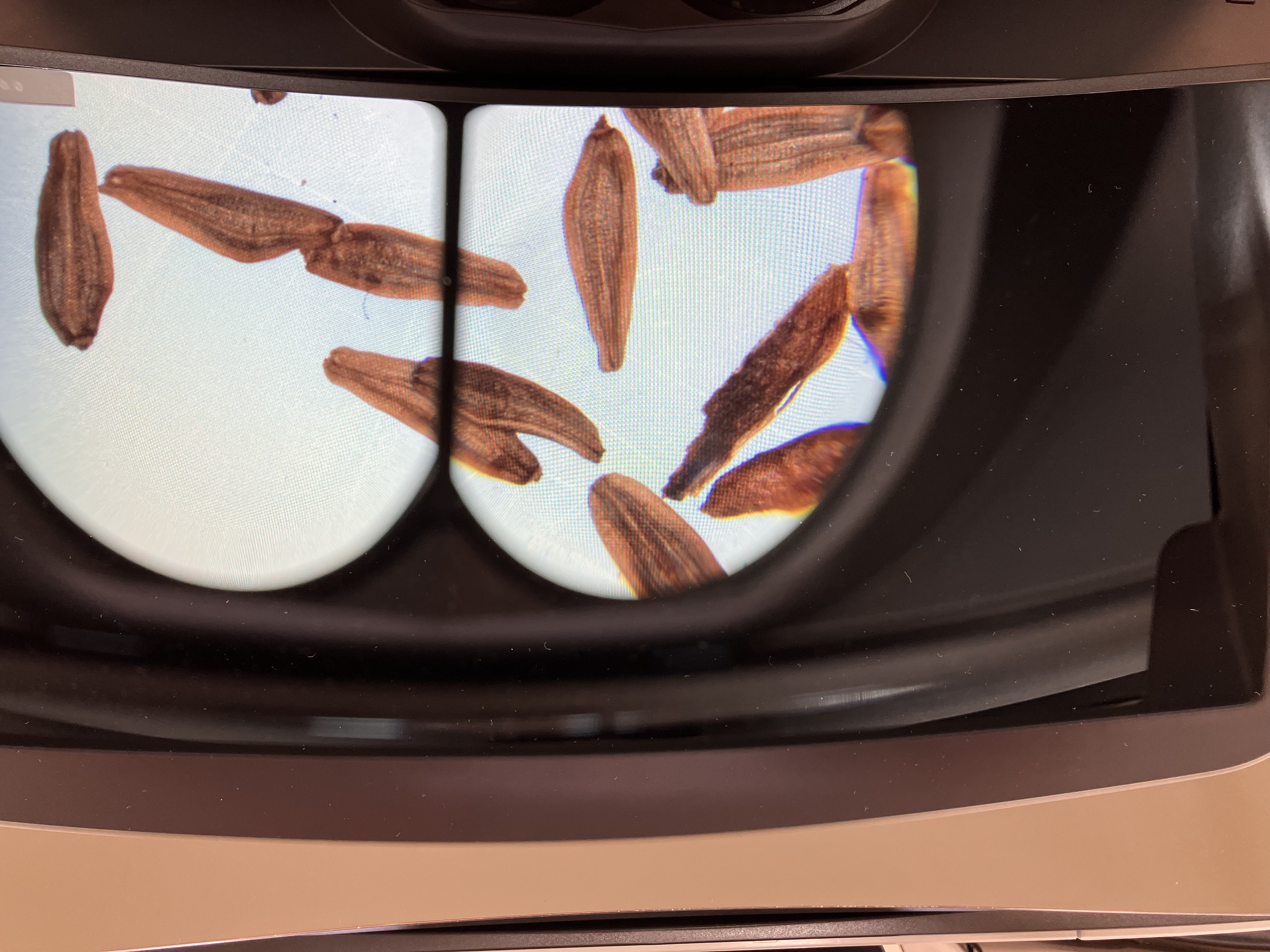
Out of the 29 seeds, the team has germinated eight, with the rest of the seeds being put into long-term storage at the Millennium Seed Bank. From this handful of seedlings, five will remain at Kew, while three of them are being sent up to the Royal Botanic Garden Edinburgh.
This is not only a way to safeguard these precious plants should anything unfortunate occur at Kew, but it is thought that the similarity in the climatic conditions of Scotland with Robinson Crusoe Island could benefit the trees.
“Experience has shown us that species from the Juan Fernández Islands feel particularly at home here at Logan, on the southwest tip of Scotland, bathed by the soft air of the Gulf Stream,” said Richard Baines, Curator of Logan Botanic Garden, in a statement.
“While providing a safe haven for these endangered plants, and learning more about their adaptation to different environments, we also have an important opportunity to tell the story of Dendroseris neriifolia and its amazing natural habitat in the South Pacific Ocean.”
Saving the tree will have wider effects. The Critically Endangered Juan Fernández firecrown hummingbird is also endemic to the archipelago, and only feeds on Dendroseris flowers. That means if the trees slip into extinction, this beautiful bird won’t be far behind.

 1
1