Nature
 PUBLISHED





From Fat Bear Week to incredible photographs, the world loves a competition winner. Perhaps the most controversial among these viral competitions is New Zealand's Bird of the Year, which sees voters turn out online for their favorite from a shortlist of Kiwi species.
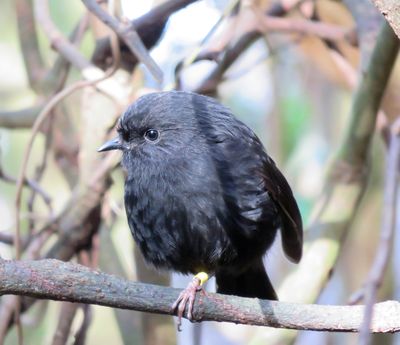
This year’s winner has been announced: a tiny black robin - also known as the Karure - who very nearly didn’t make it into the competition at all.
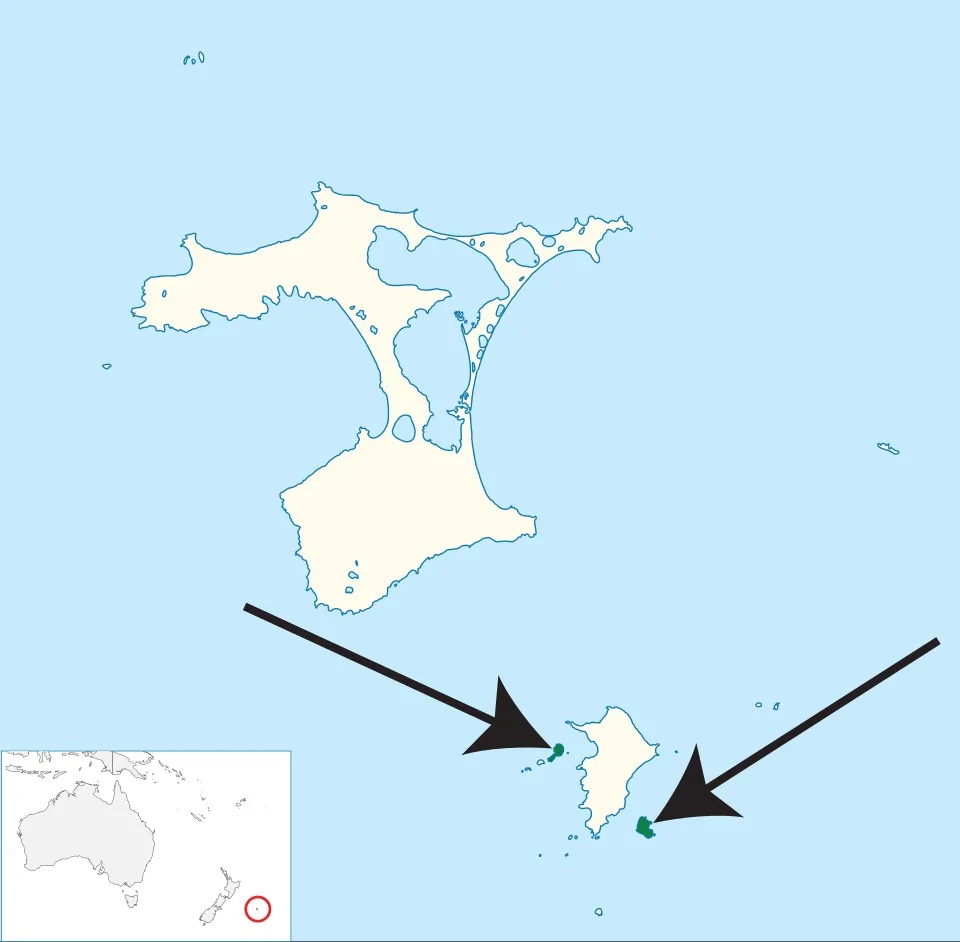
The black robin lives only in the Chatham Islands, an archipelago located about 800 kilometers (497 miles) east of New Zealand's South Island.
Affectionately known by Kiwi birders as the “goth” robin thanks to its black feathers, black eyes, and tiny black beak, the species was pushed to the very brink of extinction due to the arrival of introduced pests on the islands.
This caused the population of the robins to plummet, so that by 1976 there were just seven individuals left, which included a single breeding pair called Old Yellow and Old Blue. By 1980 there were just five birds alive.
This resulted in a pioneering conservation technique spearheaded by renowned conservationist Don Merton and his team, in which the eggs of the robins were fostered into the nests of other breeding birds.
It took some experimentation, but the tiny tomtit seemed to be the best adoptive parents for the robin chicks. The fostering technique was so successful that today the population of black robins now stands at around 350 birds, all descended from Old Blue and Old Yellow.
This incredible recovery was recognized by the IUCN who in 2022 downgraded the robin from Endangered to Vulnerable. The population is restricted to Mangere and Rangatira Islands and is still at risk from invasive predators and natural disasters, however this is a remarkable conservation success from a population of just five birds.
This year the black robin beat out the critically endangered and bright green kakapo, which has its own conservation success story, and the kārearea that finished third after winning last year's competition.
“Participation has really soared,” says Rebecca Hatch, the Group Manager for Growing Support at the conservation organization Forest & Bird, in a statement.
“This year has seen record numbers of votes with 105,000 people choosing their favourite manu at birdoftheyear.org.nz. In particular, New Zealanders have really shown up for nature. Roughly 1 in every 50 Kiwis voted in Bird of the Year 2026."
The competition is well known for a little bit of controversy, such as when a bat took the title in 2021, or accusations that Australian voters had flooded the system so a species called a shag would win. Even popular American talk show host John Oliver has been involved in previous years, while in one year the competition was won by “the country’s drunkest bird”.
Fancy checking out more slightly off-beat competitions? Good news: the Ig Nobels were announced earlier this month, and it turns out the rich really are more likely to take candy from a baby.