


 Nature
 PUBLISHED


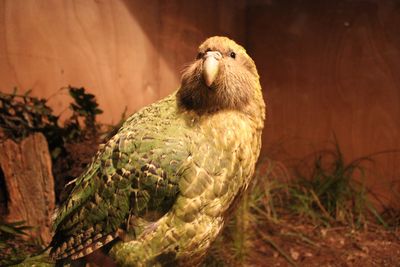


The internet can be a dark and dangerous place, but just occasionally it shows you something to brighten your day. Enjoy this livestream of the delightfully chonky, green New Zealand parrots called kākāpō, which are having a bumper breeding year despite their critically endangered status.
Kākāpō (Strigops habroptilus) used to be abundant throughout New Zealand, but the world’s fattest parrots have been reduced to an ever-fluctuating number of just 236 birds alive today. Numbers have dipped far lower than this, but thanks to ongoing and relentless conservation efforts the numbers have never dropped beyond saving.
Their decline has been largely at the hands of urbanization and the introduction of predators such as cats and stoats. New Zealand has very few native mammals except bats and marine mammals, so introduced predators nearly wiped out the kākāpō and other species like the kiwi.
These parrots are large, flightless, and nocturnal with a slow breeding rate of only once every 2-5 years. This breeding period coincides with the super-fruiting of a particular plant species, and this year was a bumper crop.
The fruit comes from coniferous rimu trees (Dacrydium cupressinum) and looks like bright red berries. These berries are packed with calcium and vitamin D, the perfect nutrients for growing chicks. So far, this year's chick count has reached 52, with scientists hopeful they might yet surpass the 73 that hatched in 2019.
In 2018 there were just 149 adult individuals remaining, showing how far the conservation project has come. While still critically endangered, kākāpō numbers are improving.
“Maybe in the next five, 10 years, we might have got them to the next step away from extinction,” said Dr Andrew Digby, a scientist and kākāpō specialist at New Zealand’s Department of Conservation told the New York Times.
For now you can watch Rakiura, a female, and her little chick on Whenua Hou/Codfish Island, thanks to a livestream set up by the New Zealand Department of Conservation. The breeding area that has been made predator-free for the kākāpō. Raikura actually managed to hatch two chicks, but to give them the best chance of survival one chick was fostered out to another mother, so Rakiura could focus all her attention on her second hatchling.
The livestream was launched in mid-January and since then more than 100,000 people have tuned in to watch Rakiura, with many offering messages of support and even potential chick names via the livestream chat.


 1
1