Nature
 PUBLISHED


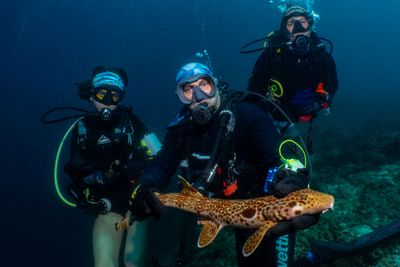


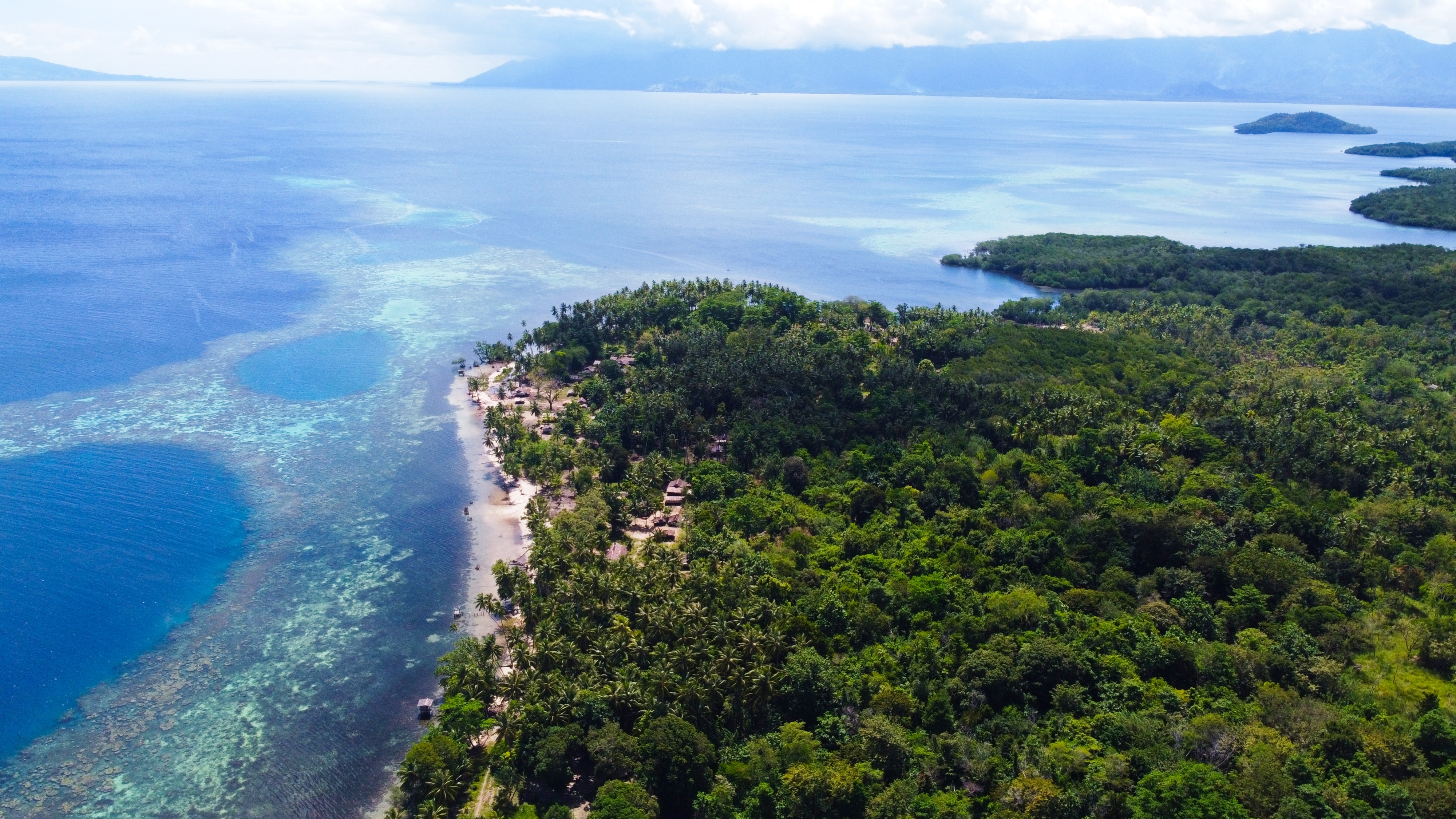
A new species of walking shark has been discovered in the shallow waters off southeastern Papua New Guinea, the 10th member of a genus famous for using their fins like legs to amble across coral reefs.
Dudgeon’s walking shark (Hemiscyllium dudgeonae) was found during a night dive in Milne Bay led by researchers from Australia’s University of the Sunshine Coast.
It is named for Christine Dudgeon, who caught the first specimen by hand and has spent more than two decades studying sharks and rays.
"New shark species don't come along that often, and it's most definitely the first one named after me," Dudgeon said in a statement.
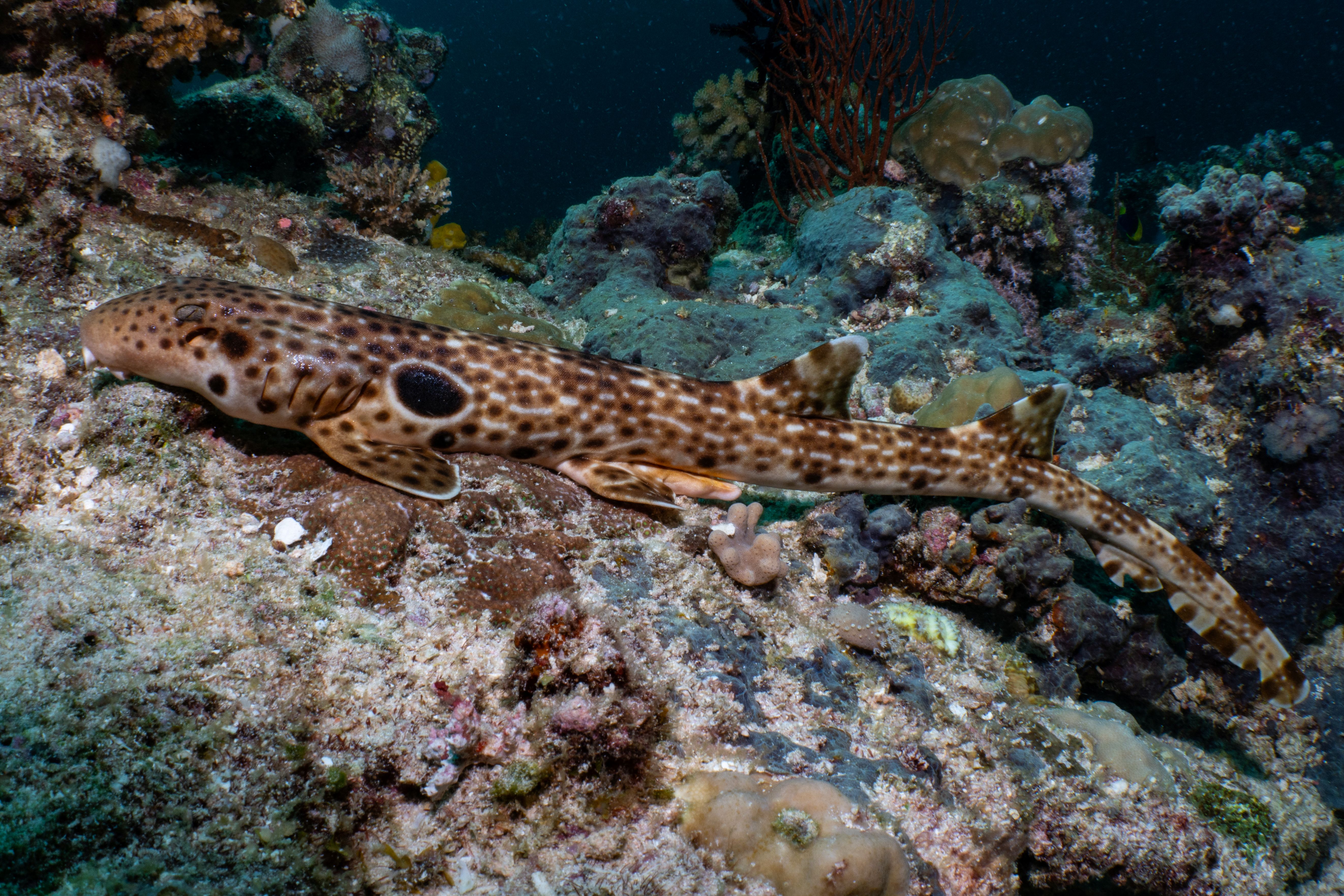
The new shark belongs to a group called the epaulette sharks, shallow water specialists that eat invertebrates off the seafloor and are harmless to humans.
These sharks can survive in low-oxygen tide pools by slowing their heart rate and limiting blood flow to parts of the brain, an ability that even allows them to make short jaunts out of the water to move between pools on their fins.
The new species' local name, kadedekedewa, loosely translates as "dog shark" or "lazy shark" – a nod to its unhurried, four-limbed gait.
PhD student Jess Blakeway, the paper's lead author, was the first to spot one of the sharks and recognized immediately that something was off.
"The first thing that stood out was the white dashes along its brown body," she said in a statement. "These dashes were quite different to the leopard-like spots we were expecting."
Over the following two nights, the team found a further 11 individuals with the same distinctive markings, though it wasn't until genetic analysis back in Australia that they were confirmed as belonging to a new species, the first in the genus since 2013.
The discovery comes with immediate conservation concerns. Like other epaulette sharks, the species appears confined to a small area, and the team flagged habitat degradation, fishing pressure, and climate change as potential threats.
"We hope to collect more data on our next research trip in October to help the IUCN Red List assess the species as vulnerable or endangered with extinction," Blakeway said.
Five of the nine previously known species in the genus are already listed as vulnerable under IUCN criterion B, a consequence of their limited geographic ranges, which can be as small as a few hundred square meters.
Such restricted ranges are a hallmark of the group due to their lifestyle, which prevents them from venturing into deep water and leads to populations easily being cut off from one another by geographic barriers.
The region around Papua New Guinea has a particularly complex geological history that compounds this effect, the team writes in their paper, creating a fragmented seascape of islands, channels, and shallows.
Key geological events in the region even line up with the estimated times that populations of epaulette sharks split and new species were formed millions of years ago, according to the researchers. That said, they also found that habitats overlapped more than had previously been expected.
The research is published in the Journal of the Ocean Science Foundation.