Nature
 PUBLISHED





The waters of the St. Lawrence River are flowing with antidepressants, simulants, painkillers, and many other kinds of drugs, according to a new study. Scientists have recently studied the pharmaceutical pollution of the river and concluded that some of the compounds could pose a threat to the aquatic organisms living in the environment.
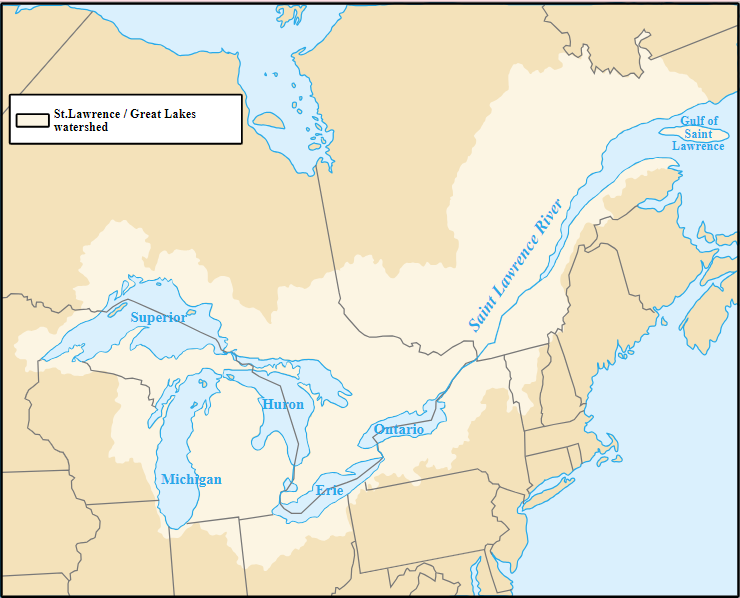
The entire St. Lawrence River system is 3,058 kilometers (1,900 miles) long, starting in Canada’s Lake Ontario and traversing through Ontario, Quebec, and the US state of New York.
In this new study, researchers at Université de Montréal collected over 400 water samples along a 700-kilometer (434-mile) stretch of the river between 2017 and 2021.
The most recurrent substances were caffeine, diclofenac (an anti-inflammatory painkiller), and venlafaxine (an antidepressant). Carbamazepine (an epilepsy treatment) and acebutolol (a beta blocker to treat hypertension and arrhythmia) were widely detected in the water samples. They also found lower levels of chemotherapy drugs and antibiotics.
The team was particularly worried about the concentrations of four compounds — caffeine, carbamazepine, diclofenac, and ibuprofen — which they believe are high enough to impact the growth and reproduction of animals living in the river system.
“Some concentrations exceeded toxicity thresholds for long-term exposure in aquatic life, but for most pharmaceutical compounds, there are currently no Canadian environmental standards,” Marc-Antoine Vaudreuil, lead study author and doctoral student at Université de Montréal, said in a statement.
“With the exception of carbamazepine, most of the compounds do not cause immediate harm, because they degrade fairly rapidly. However, it appears that chronic exposure can be very toxic, especially to organisms in the early stages of growth, such as newly hatched fish,” added Vaudreuil.
Many of the drugs entered the river via wastewater after being secreted in people's pee. Researchers have previously shown how rivers near outdoor music festivals are loaded with substances like MDMA and cocaine due to drug use and public urination.
Alternatively, some of the compounds in the St. Lawrence likely entered the water system due to improper disposal.
In this latest study, the most startling concentrations of drugs were identified downstream of Montreal, the largest city in Canada's Québec province with a sizeable population. The contamination from the city extended all the way to Lac Saint-Pierre, some 70 kilometers (43 miles) downstream.
“It’s amazing that there are still traces so far from Montreal,” said Sauvé. “We would expect more contamination in the immediate vicinity of the island given that the city has a population of two million and only one wastewater treatment plant to treat 900 billion liters of water per year.”
The good news is that Montreal is planning to add ozonation technology to its wastewater treatment facilities, which will remove up to 80 percent of pharmaceuticals.
However, this problem isn't isolated to this single North American river. Other studies have identified similar issues in Europe and Australia.
In the rivers of Suffolk in eastern England, scientists found notable levels of cocaine, ketamine, Valium, Xanax, and tramadol in the bodies of freshwater shrimp that inhabit the ecosystem. Once again, drug-laced pee was a prime suspect.
The new study is published in the journal Science of The Total Environment.