Nature
 PUBLISHED
 1
1


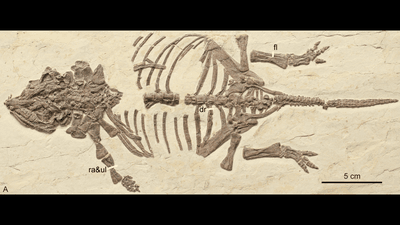


A new study has become the first-ever to definitively identify an ankylosaur hatchling. The specimen is around 115 million years old and belongs to the species Liaoningosaurus paradoxus, for which we’d previously only found juveniles. We’ve still yet to find a Liaoningosaurus adult, and as for why?
“It is not clear yet,” said study author Dr Wenjie Zheng of the Zhejiang Museum of Natural History to IFLScience. “I suspect one possibility is that the juvenile individuals lived near water.”
Ankylosaurs were armored dinosaurs, famous for their club-like tails. Some of the largest were absolute tanks that could be 10 meters (33 feet) long and weigh more than an SUV (we’re looking at you, Ankylosaurus magniventris).
Liaoningosaurus was a very different beast. It was pretty mini as ankylosaurs go. In fact, it was suspected to be the smallest of the ornithischia – an extinct clade of “bird-hipped” herbivores. That assumption was built upon the fact that all the specimens we’ve found to date have been very small, although it wasn't entirely clear if they were tiny adults or developing juveniles.
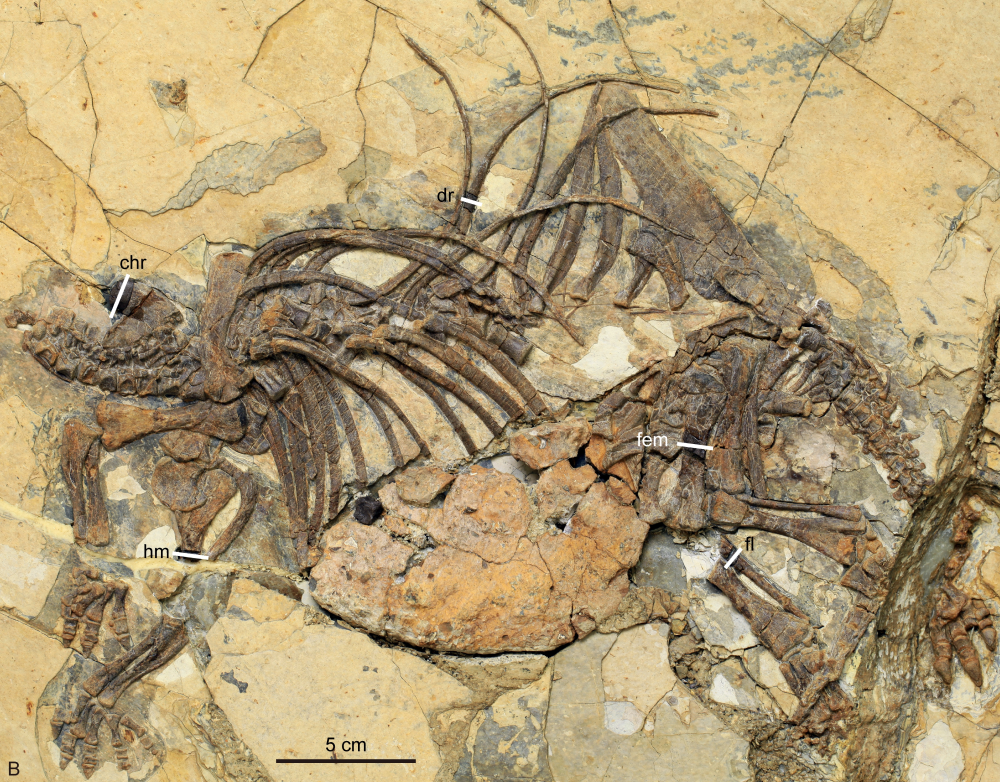
To find out, this new research became the first to investigate Liaoningosaurus at the microscopic level using histological analysis to examine bone samples including the cervical half-ring. In doing so, the team were able to identify microstructures on the bone, including patterns of vasculature and growth rings.
They examined two specimens in this way, both of which showed signs of the kind of rapid bone growth you’d expect in a juvenile. One even had a visible “hatching line”, making it the first time we’ve ever definitively identified an ankylosaur hatchling fossil.
Now that we’ve identified a hatchling for the first time, it can help us to figure out a lot more about these curious little dinosaurs. For starters, it’s a first glance at what a developing ankylosaur looks like at a histological level, and then you have the fact that it proves Liaoningosaurus wasn’t quite so mini as it has been made out to be.
“We can confirm that Liaoningosaurus is not the smallest ornithischian, as some have suspected,” said Zheng. “Additionally, Liaoningosaurus differs significantly in morphology from other ankylosaurs, which may be related to its juvenile state.”
And in case you're wondering where do baby dinosaurs come from, turns out it was a rather traumatic process that might be the key to telling female dinosaurs from male ones, something that's historically been really hard to do.
The study is published in the Journal Of Vertebrate Paleontology.