


 Nature
 PUBLISHED


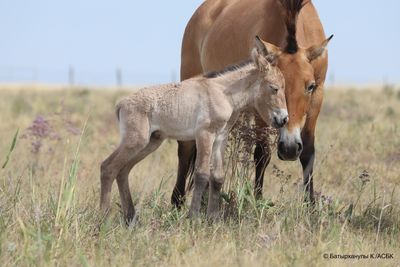


Until not long ago, the Przewalski's horse was extinct in the wild. Due to the usual medley of human activity, habitat loss, and environmental degradation, the wild horse had vanished from the steppes of Central Asia sometime around the mid-20th century. But now, after decades of struggle, they’re coming home.
For the first time in 200 years, a Przewalski’s horse foal has been born in the steppes of Central Kazakhstan.
"Something I will remember for the rest of my life"
They were born to a 7-year-old mother, called Tessa, who was part of the first seven Przewalski’s horses to be transported to Kazakhstan from Prague Zoo and Tierpark Berlin in 2024.
After two years of acclimatization, the mother gave birth to the foal on August 22, 2026, at the Alibi Reintroduction Centre for Wild Ungulates, located within the Altyn Dala State Nature Reserve, Central Kazakhstan.
“For me personally, and for our entire team, the birth of this foal is an incredibly emotional and special moment," Albert Salemgareyev, Project Coordinator at the Association for the Conservation of Biodiversity of Kazakhstan, said in a statement sent to IFLScience.
"Seeing him standing beside his mother in the Kazakh steppe is something I will remember for the rest of my life,” explained Salemgareyev.
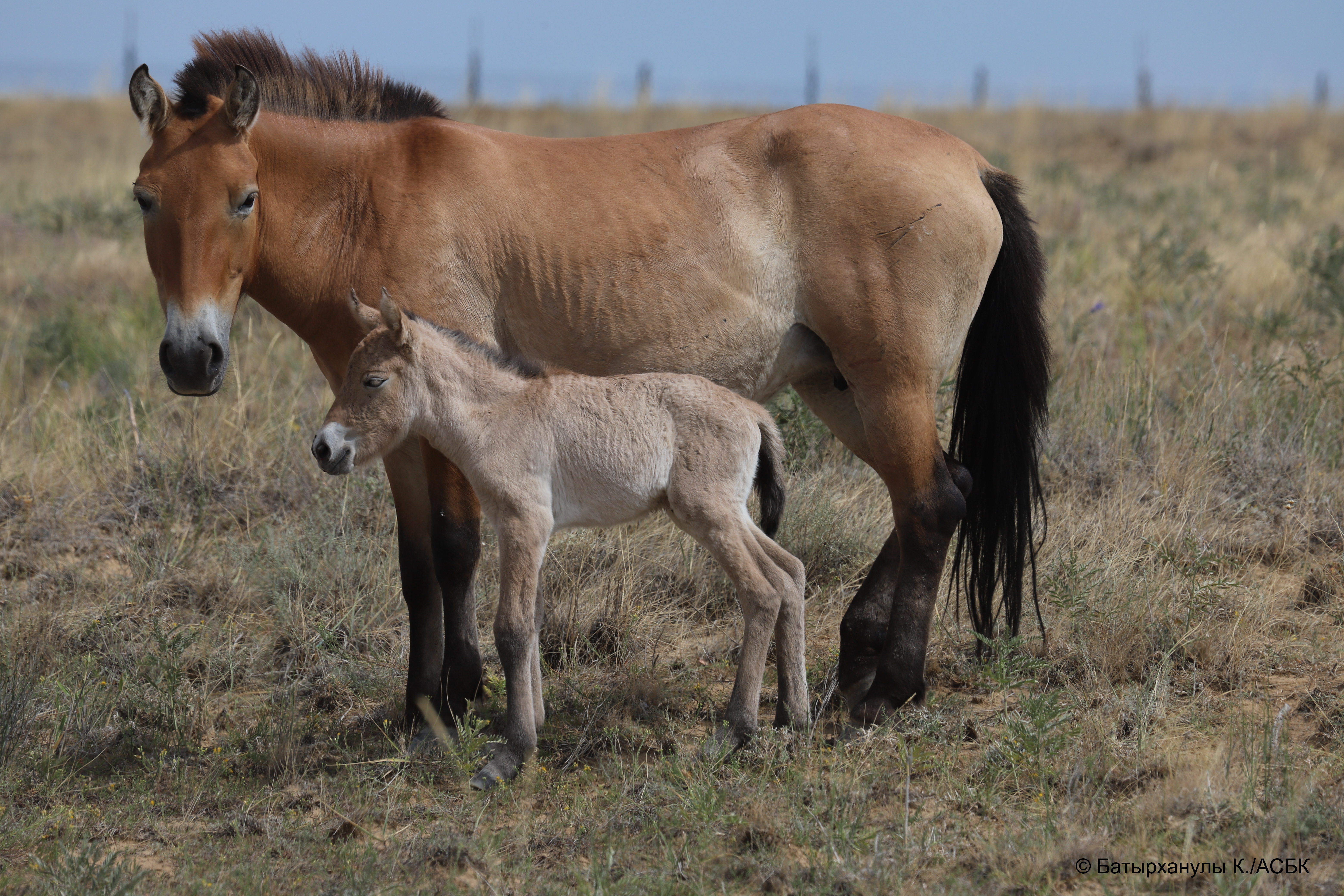
So far, the foal and new mom appear to be doing well. It's weaning closely yet confident enough to explore its surroundings independently, while the mother appears to be attentive and caring.
The young'un doesn't have a name just yet, but the Committee for Forestry and Wildlife of Kazakhstan will decide on one in the coming days.
The battle for Przewalski's horses
Przewalski's horses are considered to be the world’s last truly wild horse as they’ve never been fully domesticated. They're named after Nikołaj Przewalski, a Russian explorer who first discovered the horse in 1881 after hearing tales of its existence.
The recent birth is part of a broader international effort to restore the Przewalski’s horse (pronounced “shuh-VAL-skees”) to their natural range across Central Asia and parts of Europe that’s been building up momentum since the ‘90s.
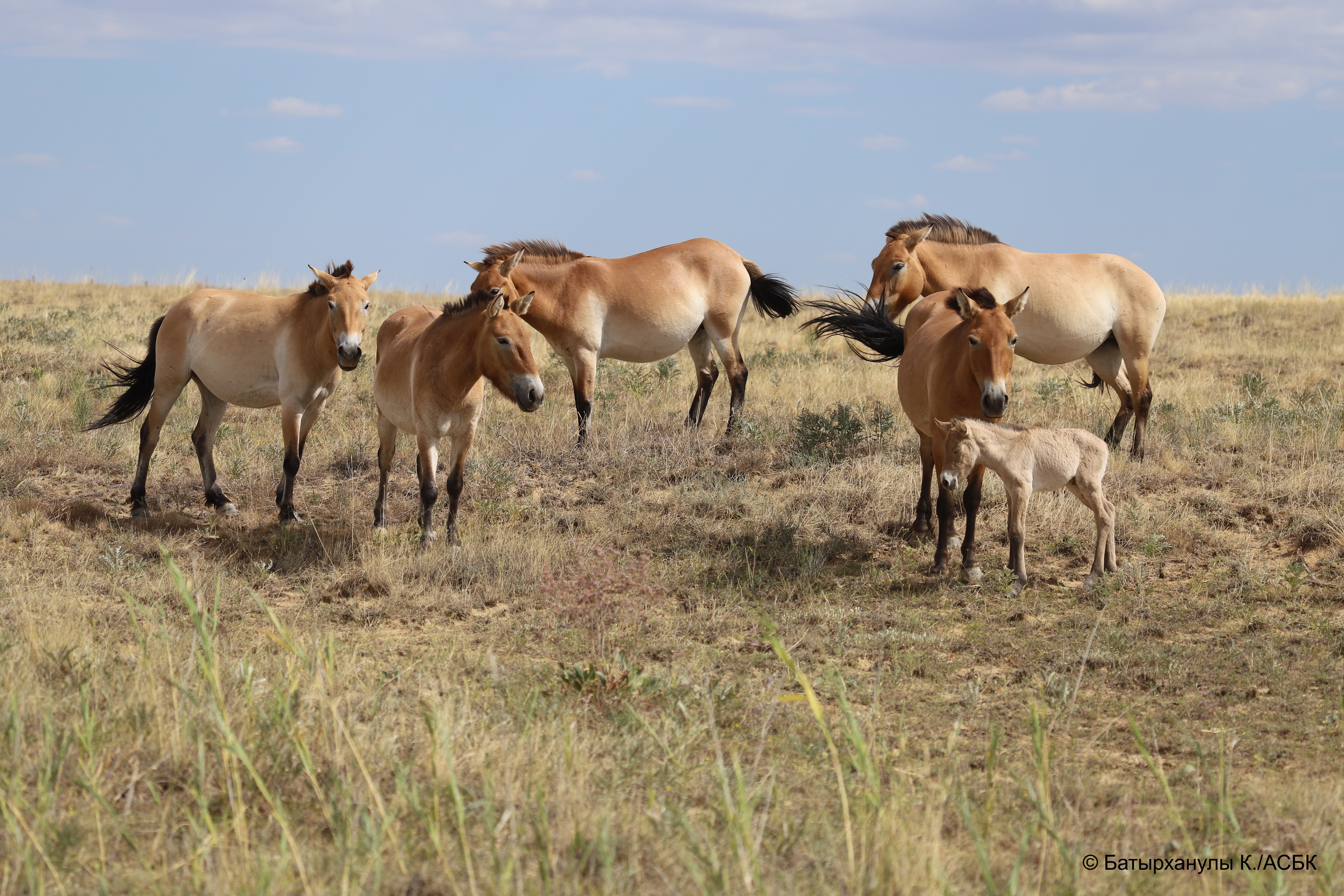
Much of the initiative has involved planting zoo-born horses into protected areas of Mongolia, China, and a handful of other nations. Mongolia has been leading the charge with approximately 387 native-born Przewalski’s horses, and there’s even a population in the Chornobyl Exclusion Zone, which has become something of a wildlife refuge in the absence of humans.
Biomedical technology has even been wielded to overcome the genetic bottleneck that emerged in the population after being stuck in zoos for decades. In 2020, scientists even managed to successfully clone a Przewalski’s horse in the US, offering further hope for the imperiled species.
Amidst this giant push, the latest birth is a first for Central Kazakhstan and marks yet another promising step on their journey home.
“The birth of Przewalski’s horse foal in the steppes of Central Kazakhstan is a landmark event for our country and an important result of the joint efforts of the government, international partners and specialists involved in the Return of the Wild Horses project,” explained Daniyar Turgambayev, Chairman of the Forestry and Wildlife Committee of the Ministry of Ecology and Natural Resources of the Republic of Kazakhstan.
“The arrival of the first offspring is the strongest confirmation that the animals have successfully settled into their native steppe habitat and begun a new stage in the restoration of their former range. We hope that the number of kertagy [the Kazakh name for the species] will grow year by year and that their return will make an important contribution to the restoration of Kazakhstan’s steppes,” Turgambayev commented.

 1
1