Nature
 PUBLISHED






Imagine having a job that’s dependent on sunny weather. As a resident of England – AKA, cloudsville – I think I’d be pretty much done for. There are, however, hard workers on this planet that rustle up energy for the rest of the food chain to enjoy day in, day out. Yes, I’m talking about plants.
A little thing called photosynthesis enables them to essentially “eat the Sun”, creating food from sunlight, come rain or shine, but what about at night? Are there any plants that can photosynthesize by the light of the Moon?
As Head of Living Collection Support at London’s Royal Botanic Gardens, Kew, Thomas Freeth told me, plants have found all sorts of ways to overcome the changing nature of night and day.
What is photosynthesis?
TF: It’s the process that enables plants to create energy from the Sun, but it’s like one of nature's miracles in a way. It is a completely self-sustaining factory. Yes, it produces energy, but it does all these amazing things, and it requires no energy other than sunlight to work.
It takes a photon from the Sun and excites an electron in the leaves, which starts to pass down a gradient and at the end of that, it converts the light energy into chemical energy.
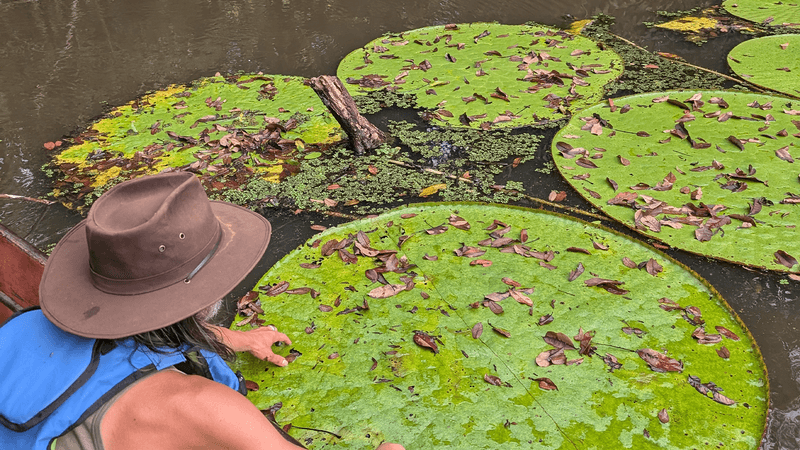
Plants eat sunlight, in a kind of surface level understanding, but the system of staggering efficiency and elegance not only produces the glucose – the sugars that the plant needs to work – but that glucose has got carbon in it, right? So, the plant then stores that carbon in its roots.
This is carbon sequestration in its roots, and its leaves, and its woody structures, which is obviously very on topic now. This is what it's doing. Photosynthesis takes the atmospheric carbon and brings it into the plant and sequesters it.
The fungi at the roots, they're tapping into that glucose. So, the oxygen, which is produced on the other side of the reaction, that's what makes this this planet habitable for all life.
The fact that this glucose is then kind of metabolized by the other side of the reaction, the respiration side, and then stored in the tissues, and then anything within the plant is then broken down and fully recycled when it’s eaten by the things above it in the in the food web.
This is really the foundational, possibly the most important process in all of biology, that enables life to occur.
Can the weather affect photosynthesis?
TF: All photosynthesis requires is a photon. So, if the photons are getting through, which they are even on a cloudy day, it will be occurring. At a much slower rate, but it will still be occurring.
It's also worth saying that plants appear green because they are reflecting that part of the spectrum, and the most photosynthetically useful part of the light spectrum is towards the blue end and towards the red end.
That's why we see green, because it's the middle part of the light spectrum that the plants are reflecting and as long as those wavelengths of light are getting through, then photosynthesis will be occurring.
What about night – can plants photosynthesize by moonlight?
TF: No, I don't think so. Moonlight is the Sun's reflection. It's the light reflecting off the Moon from the Sun. So, the Moon itself is not emitting any photons and I imagine that the strength of the light is too weak by the time it's bounced off the Moon and gone through the atmosphere.
So, it's quite a simple answer to that. If no photons, then no. No photosynthesis.
What are plants getting up to at night?
TF: Photosynthesis in its traditional sense cannot occur at night, but plants have figured out all these weird and wonderful ways to get around that. The first one is through this mechanism called crassulacean acid metabolism.
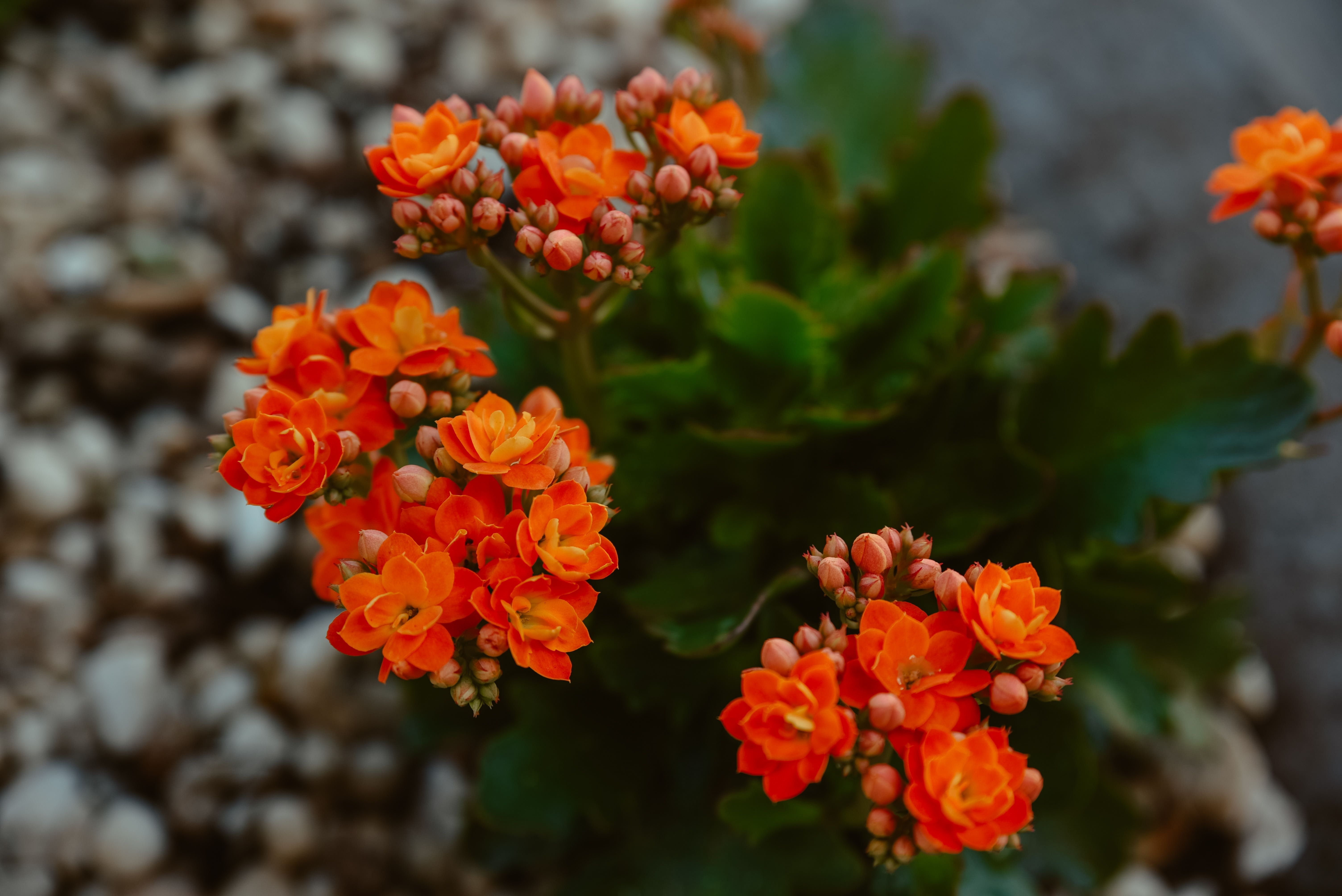
This has been known about since the 19th century. There's plant family called Crassulaceae (you may know it as succulent house plants like Kalanchoe). The process is called that because it was first discovered in that family, but subsequent studies have revealed it to actually be present in many completely unrelated families.
This process has evolved multiple times in multiple lineages, it's so strongly selected for, but why does it occur? So, the acid metabolism bit, the original researchers who noticed this noticed a difference in acid concentrations from the day and the night, and that was the kind of initial hook to ask what was going on here.
Crassulaceae are succulent plants, which are adapted to drought in some way. They have succulent leaves that they store water in, meaning that normally they're existing in areas that are both hot and dry with super high UV, super high air temperatures, and very low humidity.
Photosynthesis requires carbon dioxide to work, and the way that plants get the carbon dioxide into themselves is by opening their stomata to their breathing pores. Not a great strategy for survival in the desert.
You're not going to persist very long if you open your breathing pores at the hottest, driest part of the day. It's just going to pull all of that water out of the plant.
So, they close their breathing pores in the day. They essentially hold their breath, but photosynthesis can still occur because they open their breathing pores at night and pull in the carbon dioxide at night, and then they convert it into an acid, malic acid, which they are then able to use in the day.
This We Have Questions first appeared in Issue 41 (December 25) of our digital magazine CURIOUS. To access exclusive CURIOUS content first and receive the quarterly digital magazine, become an All Access Member.
Hungry for more CURIOUS questions? Head to the We Have Questions podcast for full-length audio versions of these curious conversations.


 1
1