


 Nature
 PUBLISHED


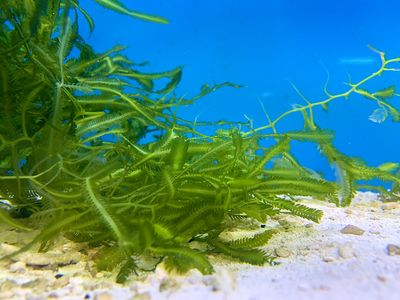


When you think “cells” you generally also think “microscopic”, but sometimes evolution likes to take things in a different direction. It’s hard to believe from looking at it, but this green alga, Caulerpa taxifolia is an organism composed of one single cell – the biggest one on the planet.
Also known by the sinister moniker “killer alga”, these feathery green fronds are native to warm tropical waters in areas like the Caribbean coast, the Gulf of Guinea, and the northern Indian Ocean. Its vibrant color attracted aquarium owners who wanted to use it as a tank decoration, but that’s also where the problems began.
It’s now considered an invasive species after an especially hardy and fast-growing strain – known as the aquarium strain – was accidentally leaked into the Mediterranean near Monaco in the 1980s. Exposure to ultraviolet light and chemical stressors had led to the genetic alterations responsible for its rapid growth.
Since then, it has expanded its range far across the seabed, where it causes huge harm to native marine life. Not only does it outcompete other algae and seagrasses for food and light, many native fish aren’t able to safely consume it.
C. taxifolia was also discovered off the coast of southern California in 2000, and it took a concerted effort from authorities over six years to eradicate it from the area.
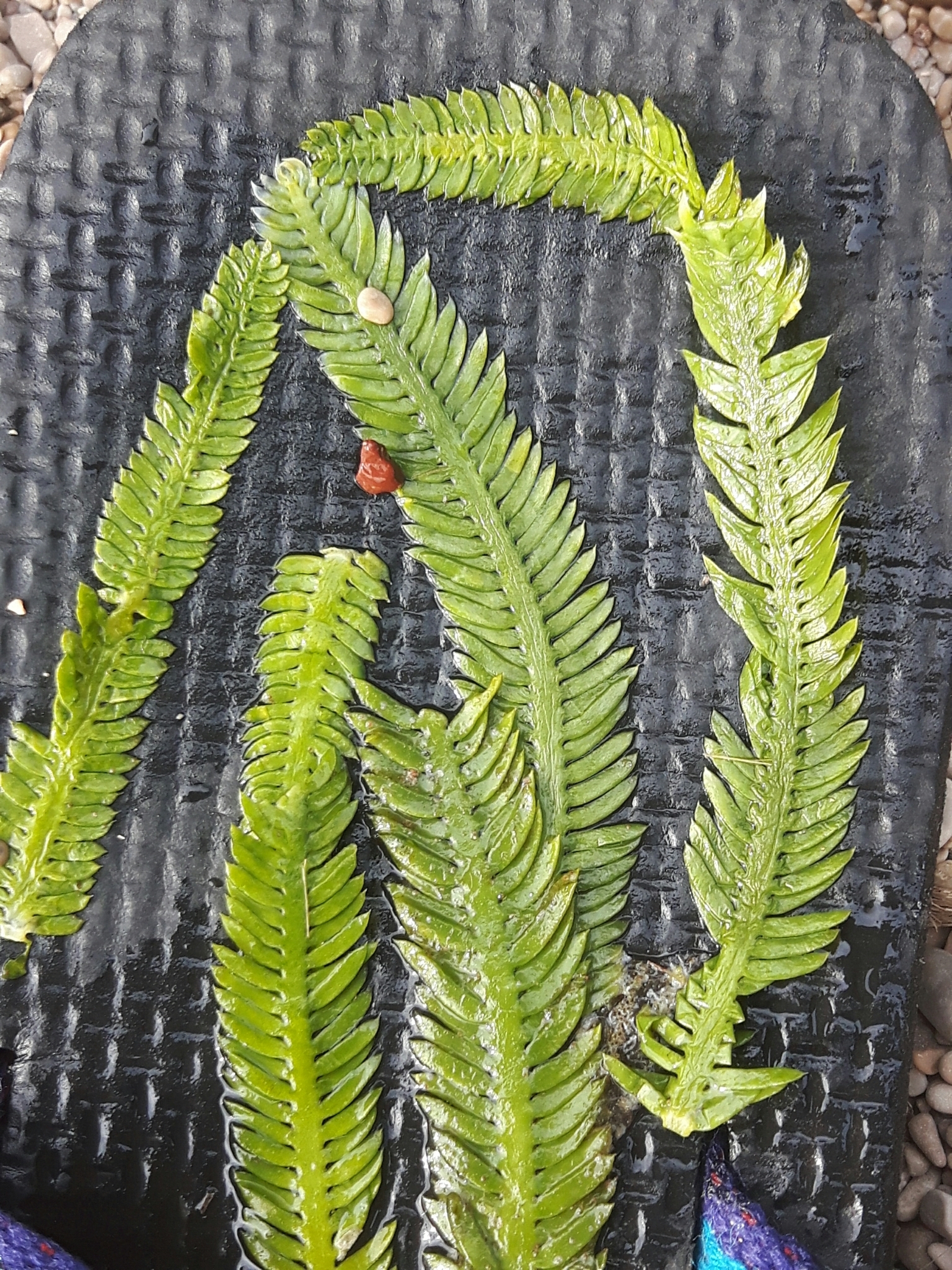
As well as being able to grow quickly and withstand cooler waters, the aquarium strain of C. taxifolia can achieve impressive sizes, with primary fronds sometimes reaching as far as 60-80 centimeters (24-31 inches) in the depths. And yet, it is still a single-celled organism. How is this possible?
It’s all down to some very elegant organization. C. taxifolia, along with other similar siphonous algae, is an example of a coenocytic organism. Coenocytes contain multiple nuclei within their single cell, because nuclear division can take place without the accompanying formation of a new cell wall.
As the authors of a 2015 study explained, C. taxifolia gets around this lack of walled-off internal compartments by segregating groups of nuclei into chambers within its body. They discovered that gene transcripts related to different cellular functions were localized to specific regions within the massive cell, called “pseudo-organs”.
The killer alga is not the only peculiar underwater resident that takes advantage of this arrangement. Check out the intriguing Ventricaria ventricosa, also known as bubble algae, sea grapes, or sailor’s eyeballs.

Like C. taxifolia, V. ventricosa is coenocytic. Each one of those forbidden boba pearls is a single cell that you could hold in your hand (not that we recommend disturbing nature, as a rule), but with lots of nuclei contained inside.
Reaching diameters of up to 9 centimeters (3.5 inches), it can’t quite compete with C. taxifolia for world’s largest single-celled organism, but it would certainly win an “algae masquerading as fruit” costume contest. So, that’s something.

 1
1